
17 October 2026, 13:09
Loading...
Oil continues to rise amid Middle East supply disruptions, Brent above $84

oEnergetice.cz, ČTK
4 March 2026, 11:18
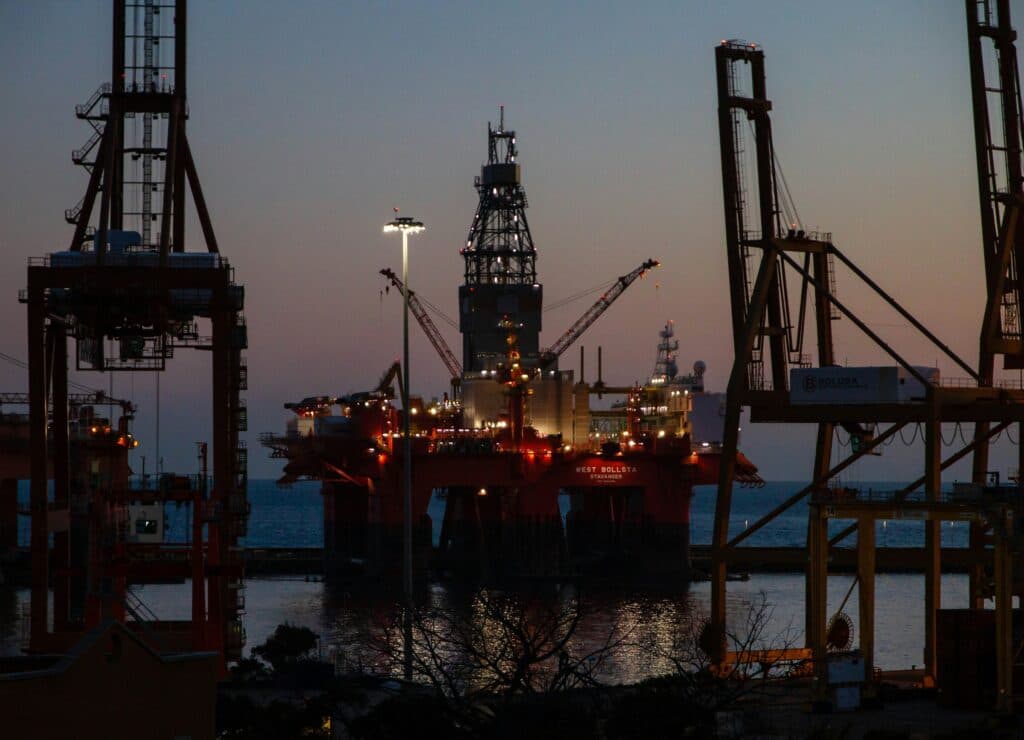
Oil prices continued to rise due to the effects of the US-Iran war, with the conflict disrupting crude supplies from the Middle East. However, gains are slowing compared with the previous two days. US President Donald Trump hinted on Tuesday that the US Navy could escort ships passing through the key Strait of Hormuz, where Iranian forces are launching retaliatory attacks.
North Sea Brent was up 3.2 percent at around 10:30 CET, trading above 84 dollars per barrel. US light crude West Texas Intermediate (WTI) was up 2.9 percent at more than 76.70 dollars per barrel. Brent closed on Tuesday at its highest level since January last year, while WTI reached its highest level since June.
"The main short-term factor affecting oil prices remains the conflict between the United States and Iran,” said Kelvin Wong, chief analyst at OANDA. "At this stage, only clear signs of de-escalation could ease or reverse the current bullish trend in WTI, and such signals are currently absent," he added.
Bullish trend refers to a prolonged rise in prices.
Israeli and US forces struck targets across Iran on Tuesday. Tehran responded with attacks on energy infrastructure across the region, which accounts for roughly one-third of global oil production.
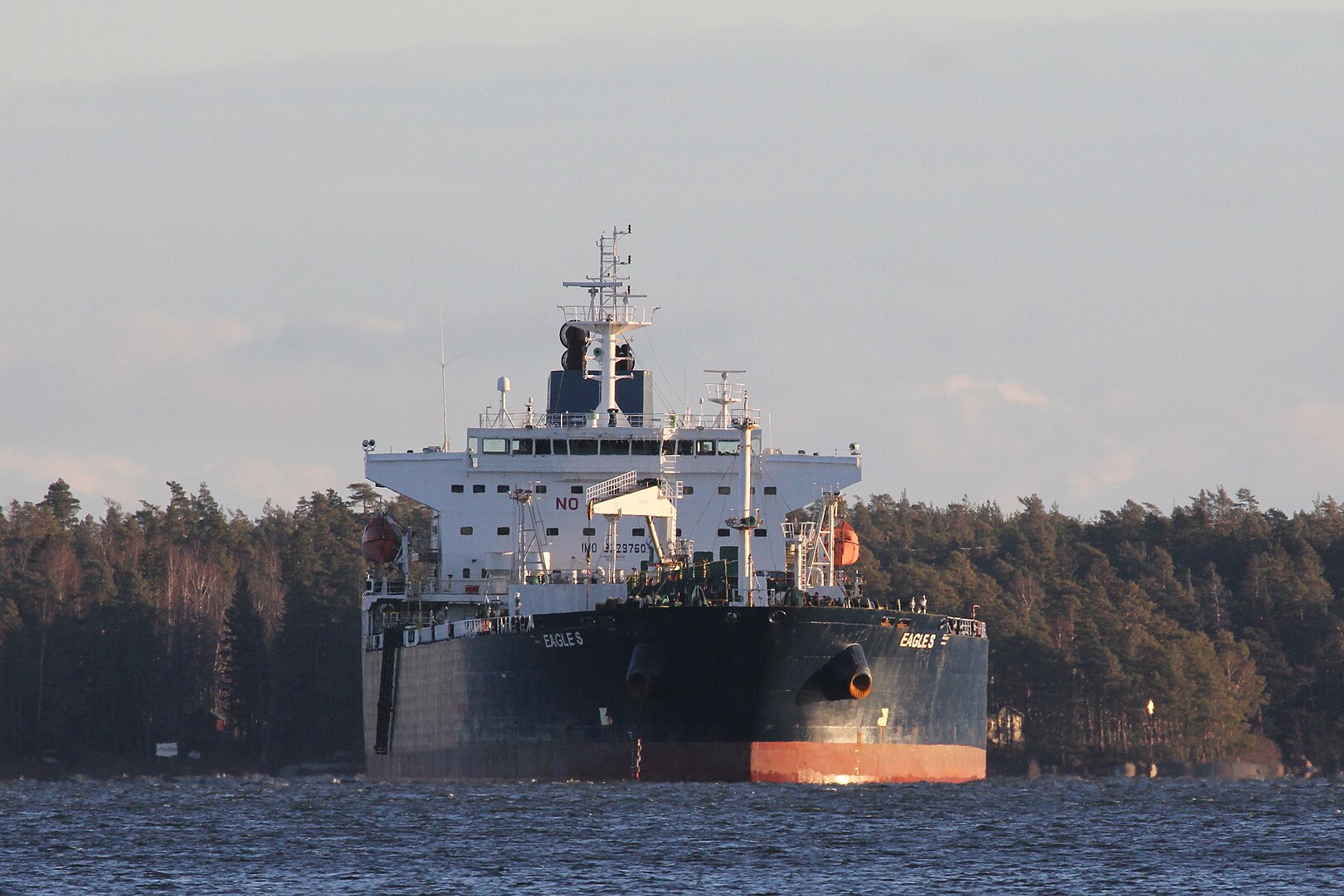
Eagle S, Estlink
Iraq, the second-largest oil producer in the Organization of the Petroleum Exporting Countries (OPEC), has cut daily output by nearly 1.5 million barrels, or about half its production. The country lacks sufficient storage capacity and has no way to export its oil, Reuters sources said.
Oil prices in dollars per barrel (about 159 liters):
| EXCHANGE | TYPE | CONTRACT | CURRENT PRICE | PREVIOUS CLOSE |
| London - ICE | Brent | May | 84,06 | 81,40 |
| New York - NYMEX | WTI | April | 76,75 | 74,56 |
Translation disclaimer
This article is a machine translation of the Czech original and has not yet been fully reviewed. In case of any doubt, please refer to the Czech version.
Sdílejte článek prostřednictvím:
You might also like




16 October 2026, 10:16