Oil flows again to Slovakia and Hungary via the Druzhba pipeline

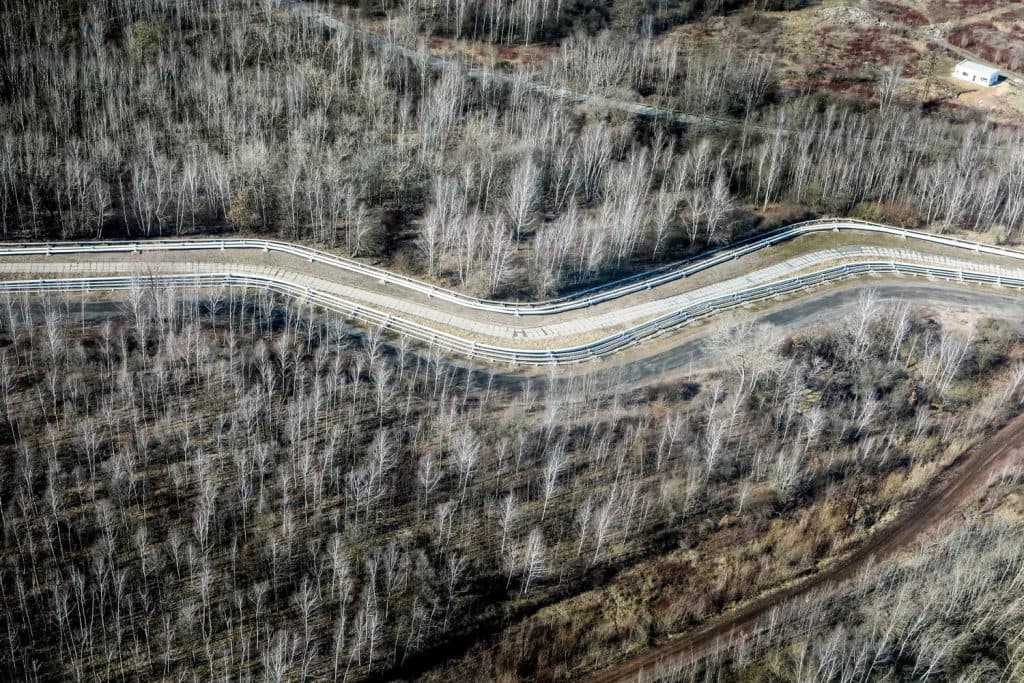
Oil deliveries to Slovakia via the Druzhba pipeline have resumed, the Slovak Ministry of Economy said on Tuesday evening, according to Denník N and television station TA3. Meanwhile, Hungarian Foreign Minister Péter Szijjártó also reported that oil deliveries via the pipeline to Hungary had resumed. Russian oil stopped flowing to Slovakia and Hungary on Monday. According to a statement by the Ukrainian military at the time, this was the result of its attack on a transformer station serving the pipeline on Russian territory.
Slovak company Transpetrol has confirmed that oil deliveries have resumed and that the flow rate is currently normal, TA3 reported on its website, citing the press department of the Ministry of Economy.
"Over the next few days, we will have clearer information on whether the delivery schedule for this month will be adjusted and whether damage to infrastructure outside the Slovak Republic will affect the total monthly volume of deliveries," Economy Minister Denisa Saková said.
"I believe, however, that the impact will be minimal given the rapid resumption of flows through the Druzhba pipeline," she added.
"We expect Ukraine not to attack this vital oil pipeline again. This is not our war. Hungary must be left out of it," Hungary's foreign minister wrote on X on Tuesday evening, when he announced that deliveries via the Druzhba pipeline to his country had resumed.
It was Hungarian Foreign Minister Szijjártó and Slovak oil transporter Transpetrol who reported on Monday that Russian oil deliveries via the Druzhba pipeline had been interrupted.
The Ukrainian military later confirmed that this was the result of its attack on a transformer station serving the pipeline. Ukraine's General Staff justified the attack by saying that the station was part of Moscow's war effort in Ukraine. Kyiv has been defending itself against Russia's military invasion since February 2022.
In response to Russia's invasion of Ukraine, the European Union banned imports of Russian oil. However, Hungary, Slovakia and the Czech Republic were granted an exemption for deliveries via the Druzhba pipeline, giving these landlocked countries time to secure other sources of oil imports. Since this spring, the Czech Republic has no longer depended on the Druzhba pipeline, thanks to the expansion of the western TAL pipeline.
This spring, MOL announced that the Slovnaft refinery in Slovakia had secured alternative oil supplies so it could continue exporting diesel to the Czech market even after the EU exemption allowing it to export products made from Russian oil expires in June. Tankers deliver the alternative oil supplies to Croatia, from where the crude flows to Hungary and Slovakia via the Adria pipeline. Slovnaft is part of the Hungarian oil and gas group MOL.
Translation disclaimer
This article is a machine translation of the Czech original and has not yet been fully reviewed. In case of any doubt, please refer to the Czech version.




