
4 October 2026, 21:07
Loading...
Only 15 ships have passed through the Strait of Hormuz since ceasefire, traffic still far below normal

oEnergetice.cz, ČTK
10 April 2026, 16:10
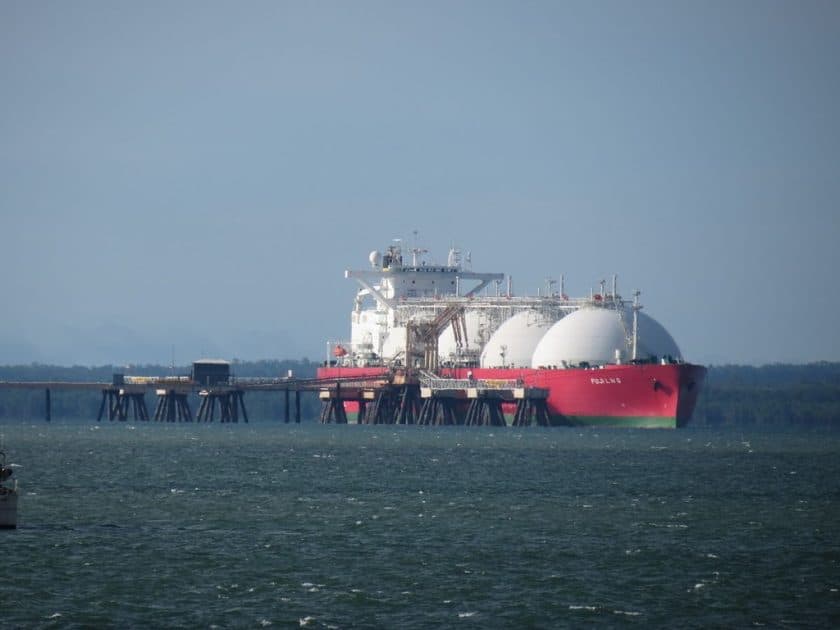
Fifteen ships have passed through the Strait of Hormuz since the fragile ceasefire in the war between the United States and Israel and Iran began on Wednesday. The BBC reports this, citing shipping data from the MarineTraffic website. Before the conflict began on 28 February with US-Israeli strikes on Iran, nearly 140 ships a day passed through the strait, a vital route for global oil transport.
Four of the 15 vessels were tankers carrying oil, gas or chemicals. The others were container ships. Six ships, including one oil tanker, passed through the Strait of Hormuz in the first 24 hours after the ceasefire began, Reuters reported. That means a modest increase over two days.
Under normal circumstances, about a fifth of global oil and liquefied natural gas (LNG) supplies pass through the Strait of Hormuz. A significant share of fertiliser supplies and large volumes of other goods also pass through the area.
Illustrative photo
Although one of the ceasefire conditions was to ensure safe passage through one of the world’s most important maritime routes, Iran warned ships in the area that they would be “hit and destroyed” if they tried to pass through without permission, the BBC notes. Nearly 800 ships are stranded in the Persian Gulf as a result of Iran’s decision to close the strait five weeks ago, most of them carrying cargo, analysts at shipping publication Lloyd’s List say.
Markets reacted on Wednesday to news of a two-week ceasefire approved by Iran and the United States, hoping it would unblock the Strait of Hormuz. However, after oil prices plunged on Wednesday in their biggest one-day drop since April 2020, they began to edge up again, although they remain below $100 a barrel.
Translation disclaimer
This article is a machine translation of the Czech original and has not yet been fully reviewed. In case of any doubt, please refer to the Czech version.
Sdílejte článek prostřednictvím:
You might also like


3 October 2026, 13:01

3 October 2026, 07:43

2 October 2026, 21:55