3 October 2026, 13:01
Loading...
OPEC+ to add more oil to the market as key producers raise output

oEnergetice.cz, ČTK
5 July 2026, 13:55
Ministers from seven countries in the OPEC+ group, which includes the Organization of the Petroleum Exporting Countries (OPEC) and its allies led by Russia, will increase production by a total of 188.000 barrels per day from August. OPEC announced this today in a press release. The increase is the same size as those agreed by the group in previous months.
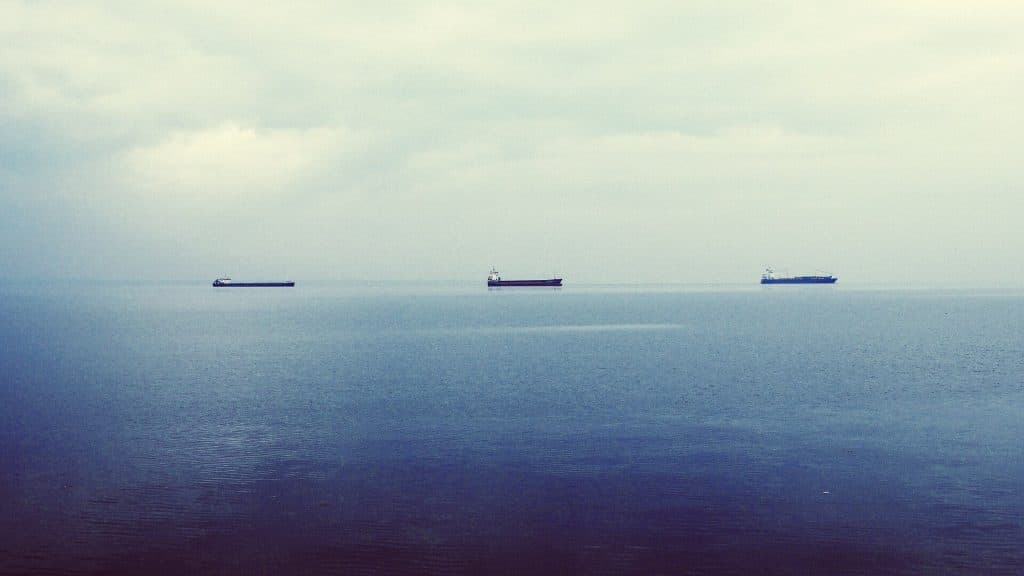
Ministers from Saudi Arabia, Russia, Iraq, Kuwait, Kazakhstan, Algeria and Oman, the main members of the OPEC+ alliance, held talks today by video conference. More oil should therefore reach the global market at a time when prices are falling thanks to the gradual resumption of operations in the Strait of Hormuz. This is a key shipping route for oil exports from countries around the Persian Gulf.
From April to July, the seven key OPEC+ members increased their production quotas by almost 800.000 barrels per day. So far, however, only a small portion of the higher quotas has translated into actual production. This is due to the war launched by the United States and Israel with an attack on Iran on February 28. The war then closed the Strait of Hormuz to tankers from some of OPEC+’s most important countries, including Saudi Arabia, Kuwait and Iraq.
Oil production in OPEC+ countries fell from 42,77 million barrels per day in February to 33,13 million barrels per day in May, according to the organization’s data. It began to recover in June thanks to Washington’s efforts to help OPEC+ countries and the United Arab Emirates increase oil exports, but it remains below pre-conflict levels.
Despite continuing supply problems, oil prices have returned to pre-war levels. This was driven by a decline in oil imports to China, higher exports from producers outside the Middle East and a record release of strategic oil reserves coordinated by the International Energy Agency (IEA). The market was also calmed by a memorandum of understanding between Washington and Tehran on ending the war, which strengthened traders’ belief that oil supplies would eventually return to normal.
North Sea Brent crude was trading at around 72 dollars per barrel on Friday, compared with a peak of nearly 120 dollars per barrel shortly after the conflict escalated. It is now roughly where it was just before the attack on Iran in late February.
Alongside decisions on production quotas, OPEC+ is now dealing with other problems that arose after the United Arab Emirates left the alliance. Iraq has also indicated that it is seeking a higher production quota, Reuters reported.
OPEC+ now comprises 21 member countries, including Iran. In recent years, however, only seven countries have taken part in monthly production management, together with the United Arab Emirates until this April.
The seven producers in question—Saudi Arabia, Russia, Iraq, Kuwait, Algeria, Kazakhstan and Oman—are increasing production as part of the gradual unwinding of a voluntary production cut of 1,65 million barrels per day agreed by the group in 2023.
The United Arab Emirates left the alliance because it wanted to align its production capacity with actual output, without the restrictions set out in the OPEC+ members’ agreement.
According to Reuters calculations, from August the seven main members still have around 379.000 barrels of oil per day left to bring back to the market from their original production cuts. This figure already takes into account the United Arab Emirates’ departure as of May 1. If they agree to another increase of roughly the same size at their next meeting, scheduled for August 2, they will completely unwind the voluntary production cut adopted in 2023.
Translation disclaimer
This article is a machine translation of the Czech original and has not yet been fully reviewed. In case of any doubt, please refer to the Czech version.
Sdílejte článek prostřednictvím:
You might also like
3 October 2026, 07:43
2 October 2026, 21:55
2 October 2026, 15:14