Russian diesel exports in September fall to five-year low after Ukrainian attacks

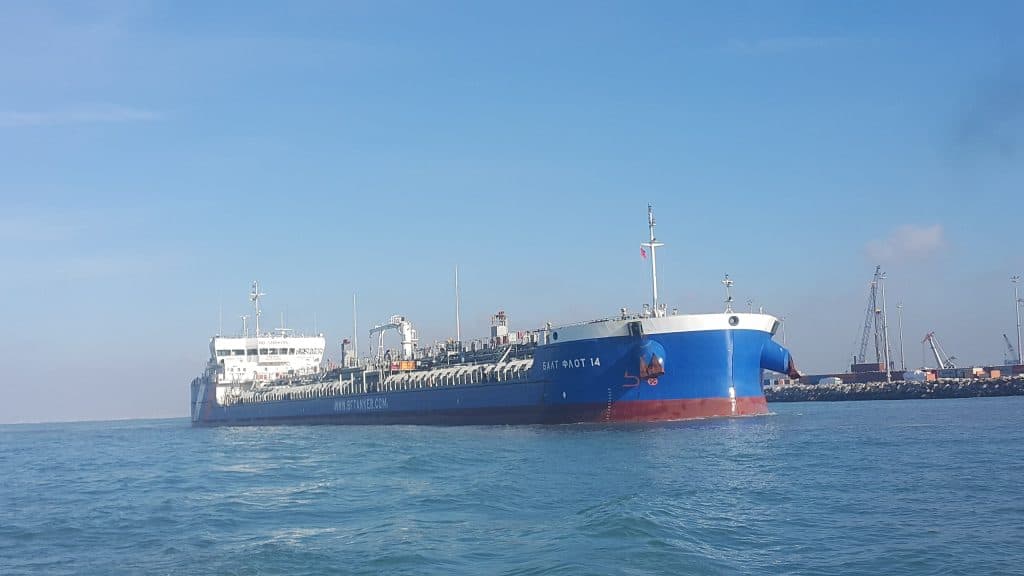
Russian diesel exports are falling to their lowest levels since 2020 following Ukrainian drone attacks on refineries and other oil infrastructure. The Financial Times (FT) reported this today. According to Energy Aspects, Ukraine has managed to strike 16 of Russia’s 38 refineries since August. Data from OilX and Vortexa show that export volumes in September will fall to their lowest level in five years.
Russia is the world’s second-largest diesel exporter, with about half of its supplies going to Turkey and the rest to Africa and Brazil. Diesel premiums have jumped by $25 to $30 per barrel above the price of Brent crude this month, their highest level since last summer.
“This appears to be the most effective campaign Ukraine has carried out so far,” said Benedict George, a fuel price analyst at Argus.
Energy Aspects co-founder Amrita Sen noted that the impact of the attacks is being felt in markets with a delay. “When a refinery goes offline, it can take three weeks for that to be reflected in supplies arriving at port,” she said. Uncertainty over diesel and oil supplies is therefore pushing prices up at a time when analysts had expected them to fall.
Ukrainian President Volodymyr Zelenskyy described fires at Russian refineries, oil terminals and storage facilities as “the most effective sanctions”, which work the fastest. Last week, he also said that Ukraine was increasing production of long-range drones and intensifying strikes on Russian energy infrastructure. “Once the number of drones matches Russia’s, it will feel fuel shortages and losses. We are seeing this more and more,” he added.
Russian authorities acknowledge that some regions are facing gasoline shortages. Wholesale prices for the fuel have risen by more than 40 percent since January. Russia has not yet faced diesel shortages, as domestic production exceeds consumption by more than half. However, the fuel is vital to agriculture and the military.
In recent days, Ukrainians have reported strikes on facilities located 1,000 kilometres or more from the border. The Gazprom-owned Salavat petrochemical plant in Bashkortostan, about 1,400 kilometres from the Ukrainian border, was targeted again overnight. A large fire broke out at the site. Drones had previously attacked the plant on 18 September, the RBK-Ukraine website noted.
Last weekend, Ukrainian drones struck a refinery in the city of Kirishi in Russia’s Leningrad region. The facility is one of the largest in the country and, according to various sources, processes between 17.7 million and 21 million tonnes of oil a year. The night before, a refinery in Ufa was targeted in a Ukrainian drone attack.
Russia’s invasion of Ukraine in February 2022 sparked the largest military conflict in Europe since the end of the Second World War. Ukraine has since been defending itself with Western support, and Kyiv has repeatedly agreed this year to a US proposal for an unconditional ceasefire, while Russia has not. Ukrainian President Zelenskyy has also ruled out the possibility of ceding Ukrainian territory to Russia.
Translation disclaimer
This article is a machine translation of the Czech original and has not yet been fully reviewed. In case of any doubt, please refer to the Czech version.




