5 October 2026, 15:34
Loading...
Saudi Aramco warns: Pressure on the oil market will keep mounting as inventories dwindle fast

oEnergetice.cz, ČTK
5 October 2026, 12:51
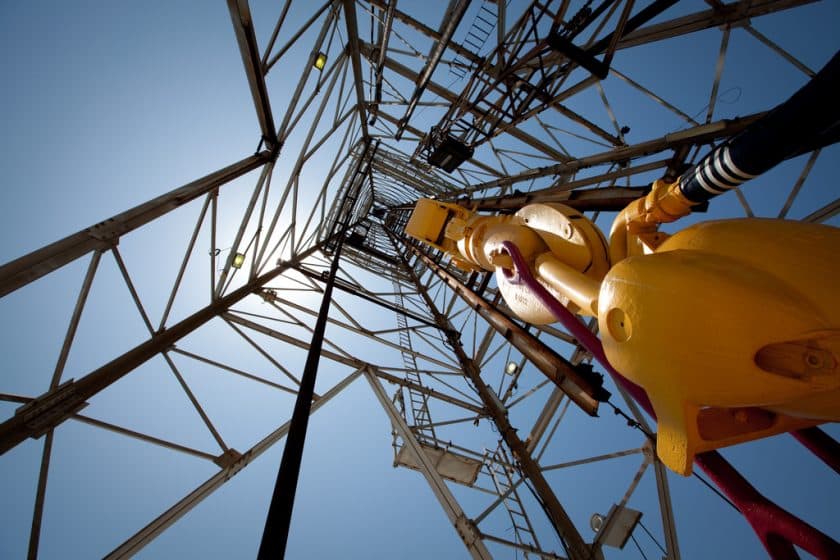
Pressure on supplies of crude oil and refined fuels is set to keep rising in the near term. Saudi Aramco CEO Amin Nasser said this at an energy conference in London, Reuters reported. Replenishing global inventories depleted by the crisis triggered by the Israeli-US attack on Iran could take up to two years, he said.
"Until the Strait of Hormuz is fully reopened and confidence returns, the harsh reality is that pressure on both the supply and demand sides will intensify," Nasser said.
Nearly three billion barrels of oil have disappeared from the market since the conflict began, while around one billion barrels have been released from inventories, the head of Saudi Aramco added.
"The system is already stretched to its limits," Nasser said, noting that so far, withdrawals have come mainly from commercial inventories.
The remaining six billion barrels in inventories are "practically unavailable," he said.
"A ceasefire in the Middle East remains nowhere in sight, and the resumption of hostilities between Saudi Arabia and the Iran-backed Houthis means attacks on energy infrastructure and vessels will continue, keeping the geopolitical risk premium high," PVM Oil Associates analyst Tamas Varga said today.
Kpler data from late September showed that crude oil exports from major Middle Eastern producers rose to 12.8 million barrels per day in September. That was the highest level since the war in the Middle East began in late February. Saudi Arabia and the United Arab Emirates increased exports.
The export recovery was linked to the resumption of shipments through the Strait of Hormuz. Exports along this route are expected to rise to around 7.4 million barrels per day this month, as Saudi Arabia rerouted its exports from a Red Sea port to an eastern port after attacks damaged its East-West pipeline, Reuters reported.
The war in the region began with US-Israeli strikes on Iran on 28 February. In response, Tehran severely restricted maritime traffic in the Strait of Hormuz, including through threats and repeated attacks on tankers and cargo ships. The United States also imposed a naval blockade on Iran in April. At various stages of the conflict, both countries repeatedly used military force against ships that did not comply with their blockades.
Translation disclaimer
This article is a machine translation of the Czech original and has not yet been fully reviewed. In case of any doubt, please refer to the Czech version.
Sdílejte článek prostřednictvím:
You might also like
5 October 2026, 13:26