Serbian refinery under US sanctions halts operations due to lack of crude oil

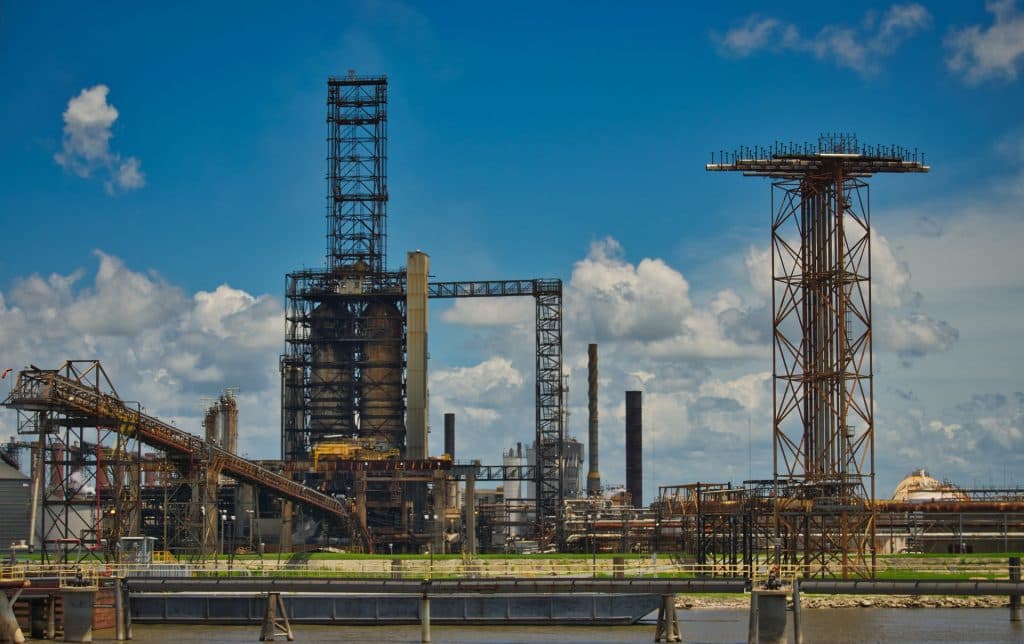
The refinery in Pančevo, Serbia, announced on Tuesday that it was halting operations due to a shortage of crude oil. Its operator, NIS, which is majority-owned by Russian entities, has been hit by US sanctions imposed over Russia’s invasion of Ukraine. The company said in a press release.
"The shutdown of operating facilities at the Pančevo Oil Refinery begins today due to a shortage of crude oil for processing, which has arisen as a result of sanctions imposed on NIS by the US Department of the Treasury," NIS said on Tuesday evening.
It added that it would continue supplying the Serbian market with oil products from its stocks.
Serbian President Aleksandar Vučić admitted on Tuesday that talks with the United States had failed to secure an exemption from US sanctions on NIS. The Serbian government will temporarily allow payments to NIS, he said, but this exposes it to the threat of secondary US sanctions.
Last week, Vučić gave Russian companies Gazprom and Gazprom Neft, which hold a majority stake in NIS, until 15 January to find buyers for their shares. If they fail to do so, Serbia’s remaining option, he said, is to take over the Russian stake and then sell it to a third party.
Moscow had previously ruled out the nationalisation of the Russian stake in the company. However, in mid-November, Serbian Minister Dubravka Đedović Handanović said that the Russian side was ready to "relinquish control and influence" in the company to a third party.
In 2008, Serbia sold a 51 percent stake in NIS to Russian company Gazprom for 400 million euros (9.7 billion crowns), a price critics said was far below the company’s true value. NIS is Serbia’s only oil-processing company and has around 13,000 employees. Since February this year, a Russian company controlled by Gazprom has held an 11.3 percent stake in NIS, while Gazprom Neft holds 44.9 percent. The Serbian state’s stake is less than 30 percent. The Pančevo refinery has a capacity of 4.8 million tonnes a year.
The United States imposed sanctions on NIS in January this year and, after granting several exemptions, began enforcing them against the company in October. Due to the threat of secondary US sanctions, Croatian pipeline operator JANAF then stopped supplying oil to NIS.
The developments surrounding NIS and the possible nationalisation of the Russian stake are putting Vučić’s foreign policy to the test as it seeks to maintain good relations with both Moscow and the West. Serbia cooperates with Russia in a number of areas and has not joined the anti-Russian sanctions imposed by the West over Russia’s invasion of Ukraine. At the same time, Vučić’s Serbia has declared EU membership as a goal.
Translation disclaimer
This article is a machine translation of the Czech original and has not yet been fully reviewed. In case of any doubt, please refer to the Czech version.