4 October 2026, 21:07
Loading...
US forces plan to begin blockade of Iranian ports this afternoon

oEnergetice.cz, ČTK
13 April 2026, 10:37
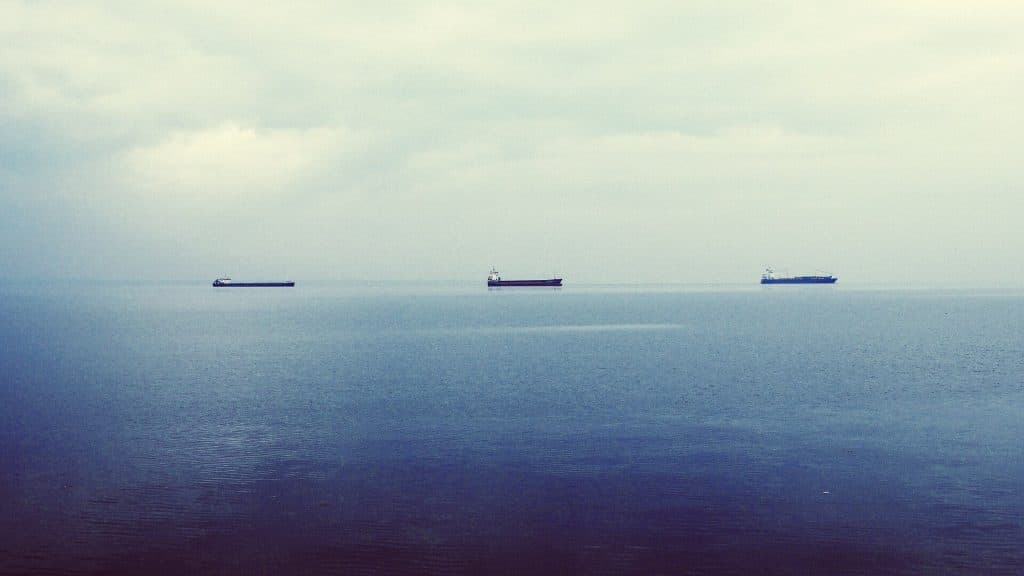
US military forces will begin blockading Iranian ports this afternoon, the US military command CENTCOM said on X. President Donald Trump later confirmed the move. The military will not block passage through the Strait of Hormuz for ships that are not headed to Iran. The announcement follows the failure of weekend talks between Iran and the United States. Oil prices surged in response to the announcement of the blockade of Iranian ports. A spokesman for Iran's military command called the blockade piracy and said Tehran would respond decisively.
CENTCOM directs operations against Iran and in the surrounding region. The command announced that at 10:00 Eastern time (16:00 CEST) it would “begin enforcing a blockade of all maritime traffic to and from Iranian ports”. “The blockade will be enforced impartially against vessels of all nationalities sailing from or to Iranian ports or the (Iranian) coast, including all Iranian ports in the Arabian (Persian, CTK note) Gulf and the Gulf of Oman,” the command said.
“Any vessel that enters or leaves the blockaded area without authorization will be intercepted, diverted and seized,” the command said in a notice to mariners, according to Reuters.
US forces will not prevent ships that are not headed to Iran from sailing through the Strait of Hormuz, the command added, saying maritime operators would be given detailed information.
“The United States will blockade ships going to and from Iranian ports,” Trump said on Truth Social, confirming that the blockade would begin today at 16:00 CEST.
On Sunday, however, Trump said the US Navy would blockade the Strait of Hormuz and that he had ordered US forces to detain in international waters ships that had paid Iran a fee to sail along this route.
The US blockade of vessels in international waters is illegal and amounts to piracy, a spokesman for Iran's military command said today, according to Reuters. In response to threats from Washington, Tehran will therefore introduce a “permanent mechanism” to ensure control over the strait. Ports in the Persian Gulf must be accessible to everyone, or they will be accessible to no one, the spokesman said. If Iranian ports are threatened, not a single port in the Persian Gulf or the Gulf of Oman will be safe, he added.
Iranian Navy commander Shahram Irani had also responded earlier to Trump's blockade announcement. He called the president's threat ridiculous and laughable, according to AFP. Iran's armed forces are monitoring “every move by the hostile US military in the region”, he said.
Oil prices surged immediately after the blockade was announced. North Sea Brent crude rose by around seven percent to approximately $102 a barrel. In previous days, oil prices had generally fallen amid expectations of talks between Iran and the United States.
Iranian Foreign Minister Abbas Araghchi commented overnight on the failure of the talks in Pakistan. Iran approached the negotiations in good faith to end the war, he said. He said the sides had been just one step away from agreeing on the text of a memorandum, but the US delegation had begun “making maximalist demands, changing its objectives and blocking (the talks)”.
Translation disclaimer
This article is a machine translation of the Czech original and has not yet been fully reviewed. In case of any doubt, please refer to the Czech version.
Sdílejte článek prostřednictvím:
You might also like
3 October 2026, 13:01
3 October 2026, 07:43
2 October 2026, 21:55