
17 October 2026, 13:09
Loading...
Worst Baltic Sea freeze in 15 years threatens Russian exports, Bloomberg reports

oEnergetice.cz, ČTK
18 February 2026, 08:24
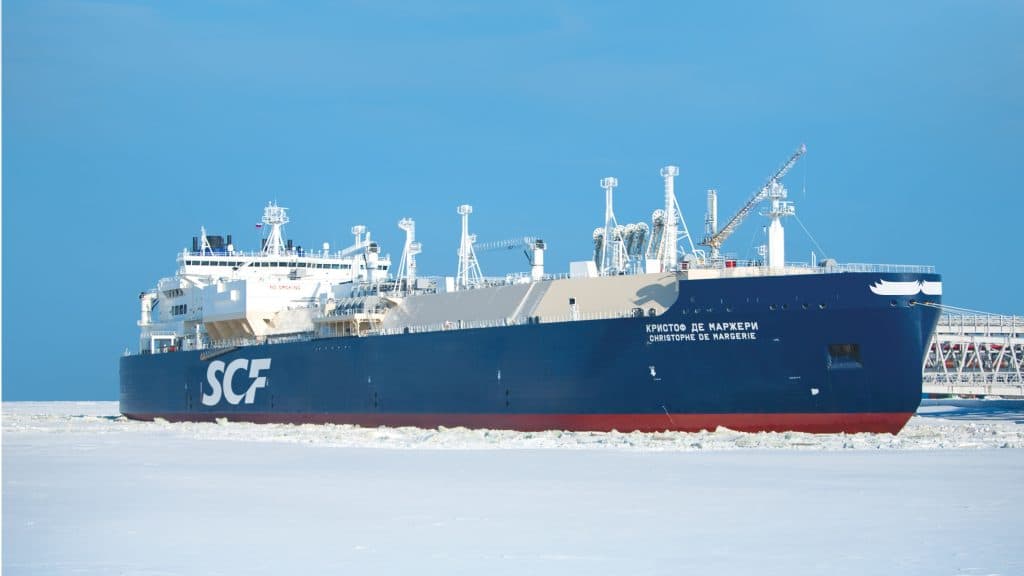
The most extensive freezing of the Baltic Sea around key Russian ports in 15 years threatens to curb Russian exports. Moscow is being forced to move icebreakers from the Arctic to the Gulf of Finland, Bloomberg reported on Tuesday.
Ice conditions, combined with a shortage of vessels with reinforced hulls, are complicating exports of oil, fuels and other products from the region, five industry sources told Bloomberg.
Key Russian ports Primorsk and Vysotsk have stipulated that, since Monday, ordinary vessels must be individually escorted by an icebreaker to enter the ports. If the ice thickens further, all vessels could be barred from entering, according to the port authorities.
The Gulf of Finland, through which Russia exports 40 percent of its seaborne oil, is now largely covered in ice, and the ice cover continues to expand, said Alexander Kolesov, chief meteorologist in St Petersburg. Similar conditions were last recorded in February 2010 and 2011, he said in a post on Telegram.
To address the problem, Russia is moving the icebreakers Sibir and Murmansk from the Arctic to the region. This will bring Russia’s icebreaker fleet in the Gulf of Finland to six by the end of this month.
Waiting times for vessels at the assembly point from which icebreaker convoys depart for Russian ports on the Baltic Sea have increased by five to seven days, said Roman Sokolov, director of the Moscow-based Price Benchmark Center.
It is not yet clear how the conditions are affecting the oil trade. As of Monday, there were 23 tankers in the area, only three of which arrived last week. They had not yet loaded cargo, according to Bloomberg data. Oil exports from Primorsk fell to 490.000 barrels per day in the first half of February, down by a third from the previous year and by 50 percent compared with the same period in 2024.
The freeze is another problem for Russia and its oil companies, which are already under pressure from Western sanctions, a strong ruble and lower oil prices. Russian oil shipments have fallen by about 500.000 barrels per day from their pre-Christmas peak. Pipeline supplies to Hungary and Slovakia have also been halted after a pumping station in western Ukraine was hit during Russian strikes.
About 140 million barrels of oil are being stored on tankers. The vessels are forced to make long voyages to China with their cargoes, as India has halted imports of Russian oil. Some vessels have been idle for weeks. The amount of Russian oil stored on tankers has risen by about 60 percent since the end of August.
Discounts to Brent crude that Russian exporters must offer to sell their oil have risen to about 15 dollars per barrel, Argus Media said. In November, they were about three dollars per barrel.
Translation disclaimer
This article is a machine translation of the Czech original and has not yet been fully reviewed. In case of any doubt, please refer to the Czech version.
Sdílejte článek prostřednictvím:
You might also like




16 October 2026, 10:16