17 October 2026, 13:09
Loading...
EU seeks balance between curbing methane emissions and security of supply

Jakub Malý
10 August 2026, 09:33
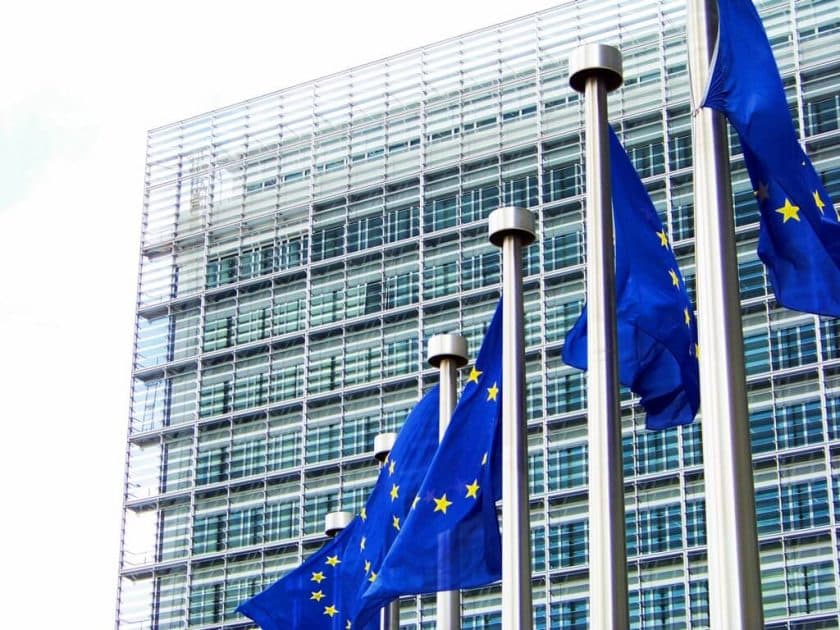
The European Commission is responding to tensions in oil and gas markets with two recommendations intended to facilitate the implementation of the European methane emissions reduction regulation. It recommends that Member States temporarily refrain from imposing financial penalties on importers that fail to meet certain information and reporting obligations between 2027 and 2029. It has also published model contract clauses intended to make it easier for European buyers to obtain data from producers and suppliers in third countries.
This does not amount to the abolition or formal postponement of the obligations. They remain part of the regulation, and importers must continue preparing to comply with them.
Regulation (EU) 2024/1787 of the European Parliament and of the Council entered into force in August 2024. It introduces rules for measuring, monitoring, reporting and verifying methane emissions in the oil, natural gas and coal sectors. It will also gradually apply to importers of energy commodities, who are required to obtain information on emissions from extraction and transport and subsequently demonstrate the comparability of foreign MRV systems, meaning emissions monitoring, reporting and verification.
Obligations remain, but enforcement is changing
The Commission's first recommendation contains optional contract clauses for natural gas, oil or coal supply contracts. Their purpose is to ensure that information is passed on from the producer through traders to the European importer.
The problem is that European companies often have no direct contractual relationship with the operator of the extraction facility. Information must therefore pass through a long supply chain in which traders, commodity owners and responsibility for providing data change.
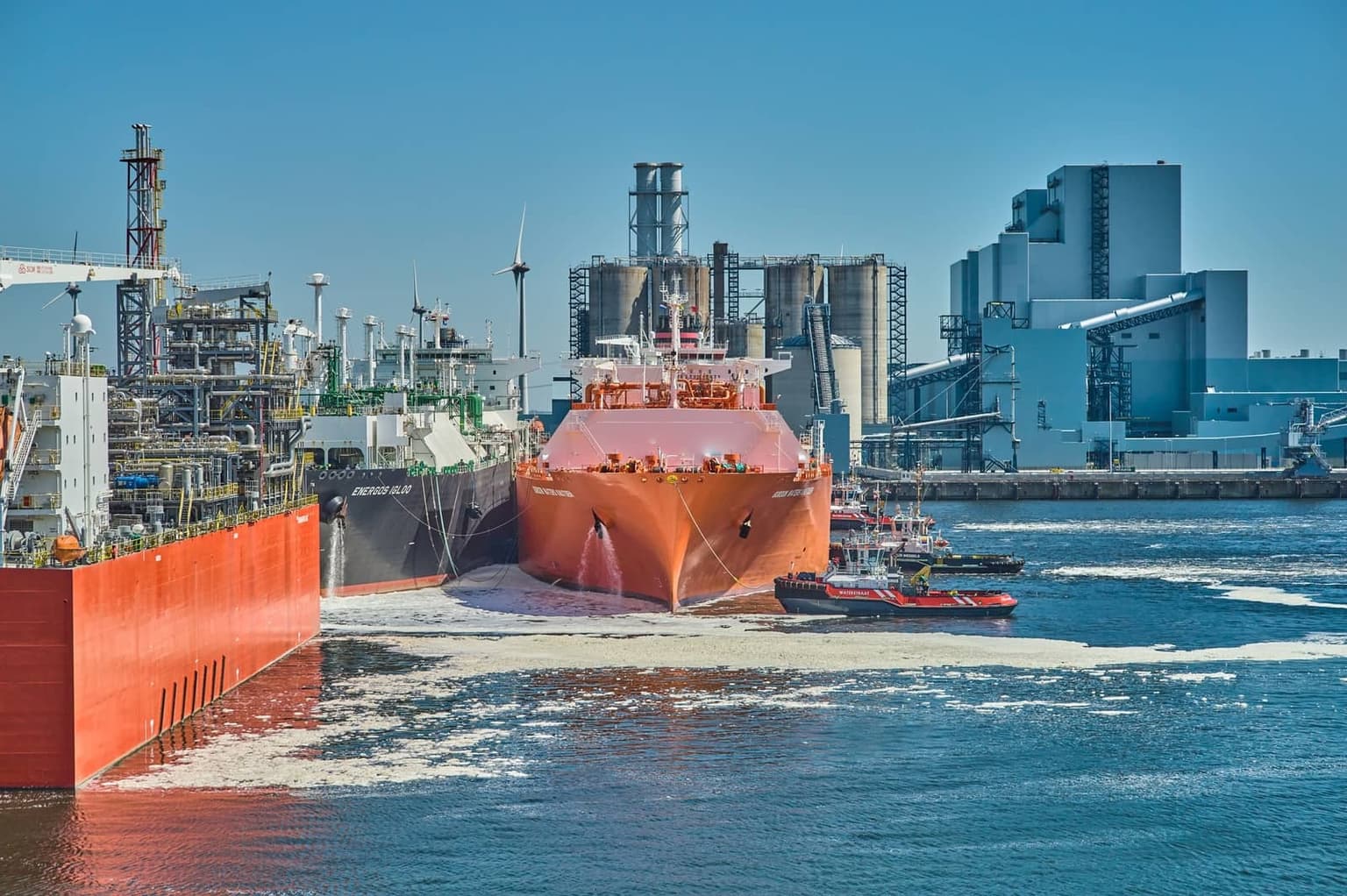
LNG terminal in Eemshaven. Source: ČEZ
The second recommendation concerns penalties. Under the regulation, Member States must establish their own penalty regimes, with penalties required to be effective, proportionate and dissuasive. The Commission now recommends that financial penalties should temporarily not be imposed for non-compliance with selected obligations falling due in the 2027–2029 period.
The recommendation is not legally binding, and the final approach will depend on the Member States. The question is therefore whether a coordinated approach can be maintained, or whether different conditions will emerge on the European market depending on the country through which the commodity is imported.
The Commission justifies its move by the situation in energy markets. The conflict in the Middle East and restrictions on transport through the Strait of Hormuz have reduced the availability of some supplies and driven up prices. Uncertainty over penalties may complicate the conclusion of contracts with suppliers that are not yet able to provide the required data.
Importers call for clearer rules
The expert debate has raised the view that merely temporarily refraining from imposing fines does not solve implementation problems. Importers need an understandable and legally predictable way to demonstrate compliance with the regulation.
Uncertainties concern the recognition of foreign MRV systems, the availability of independent verification, methodologies for calculating emissions intensity and differing approaches by national authorities. Companies may therefore not find it sufficient to know that they will not initially be penalised. What matters is whether they will have uniform rules and enough qualified verifiers.
Certification systems, digital records of commodity origin and independent audits may play an important role. However, for certification to fulfil its purpose, it must be based on credible data and requirements recognised across the EU. Otherwise, there is a risk of parallel standards emerging that increase administrative costs without ensuring the comparability of emissions.
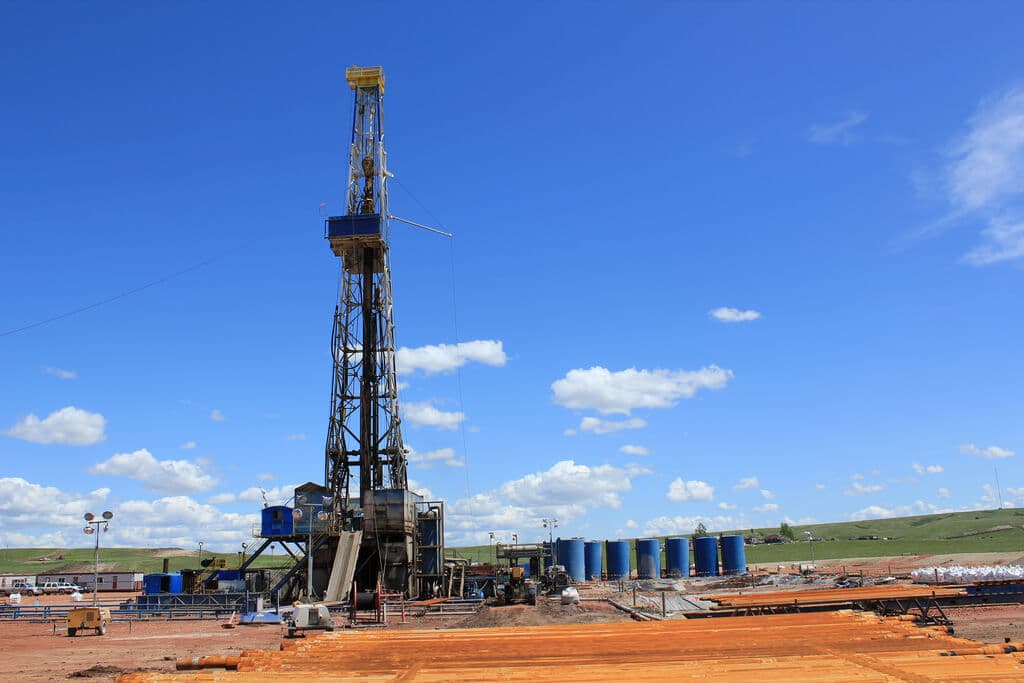
Source: Flickr / Lindsey G / CC BY 2.0
Methane emissions intensity may become not only a regulatory parameter but also a commercial one. It may affect the price of imported gas, the availability of financing, supplier selection and producers' access to the European market.
Extra time must not halt preparations
Organisations including Clean Air Task Force, CAN Europe and the Environmental Investigation Agency have described a longer postponement of import obligations as an inadequate response to administrative obstacles. In their view, the problem with accrediting verifiers can be addressed through faster issuance of Commission guidance, rather than delaying the entire regulation. They also recommend clear and progressively stricter penalty regimes, so that companies can quantify the economic benefits of early compliance and invest in emissions reductions. For the credibility of the system, it will therefore be important to make clear when the transitional period will end and what results are to be achieved by 2029.
Reducing methane leaks is not merely a climate measure. According to the International Energy Agency, gas that is leaked or flared also represents a significant loss of a tradable commodity, while a large share of emissions can be reduced using already available and cost-effective technologies.
For European and Czech importers, the recommendation provides more time, but no reason to postpone preparations. It will now be necessary to amend contracts, map supply chains, request data from partners and establish an auditable record-keeping system. This will be particularly important for long-term contracts concluded before 2030.
The key question remains whether the European Union will use the period until 2029 to establish uniform methodologies, recognised certification rules, data registers and control procedures.
Translation disclaimer
This article is a machine translation of the Czech original and has not yet been fully reviewed. In case of any doubt, please refer to the Czech version.
Sdílejte článek prostřednictvím:
You might also like

16 October 2026, 10:16