
2 October 2026, 21:55
Loading...
Germany reaches solar power expansion target ahead of schedule. Industry warns of slowdown

David Vobořil
25 August 2026, 10:08
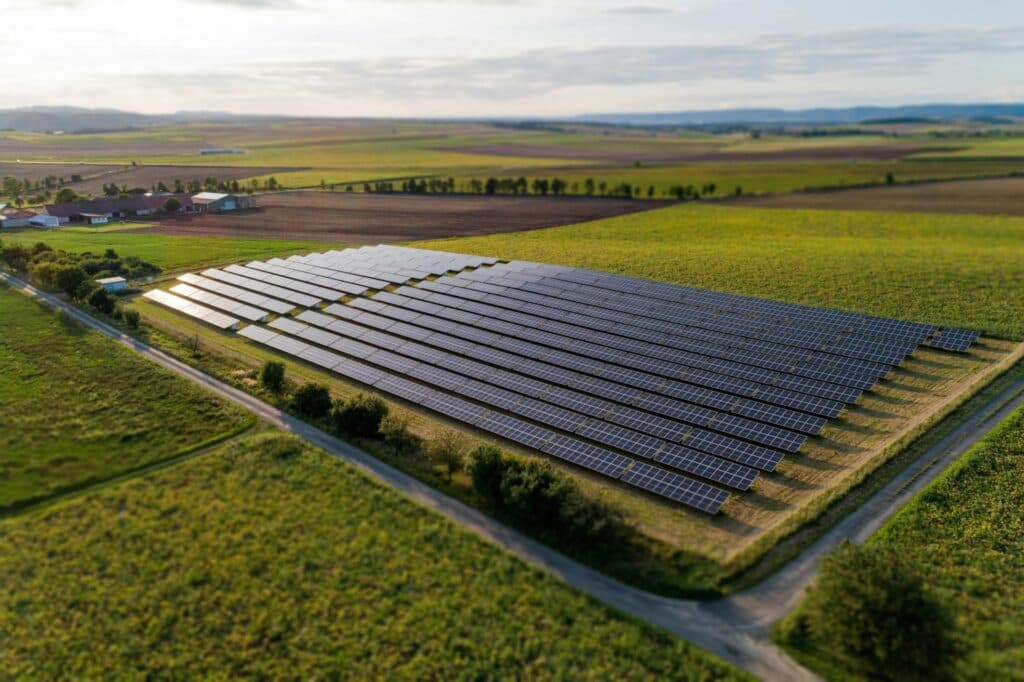
Germany exceeded 128 GWp of installed photovoltaic capacity in August, meeting its statutory target for 2026 several months ahead of schedule. The country now has more than six million solar installations, and solar power accounted for around a fifth of net electricity generation last year. However, the solar industry warns that reaching the current milestone does not mean further growth will continue automatically. According to the sector, planned changes to support schemes and grid connection rules could hold back investment in new power plants.
Germany has reached a significant milestone in the development of solar power. Installed solar capacity exceeded 128 GWp in August, meeting the target set by the Renewable Energy Sources Act (EEG), which was to be reached by the end of 2026. According to the German Solar Industry Association, BSW Solar, more than six million solar installations are now installed in the country.
Growth has been rapid in recent years. Around 17.5 GWp of new photovoltaic capacity was installed in Germany in each of 2024 and 2025. However, meeting the 215 GWp target set for 2030 will require construction to accelerate further—to an average of around 20 GWp per year.
The importance of solar power to Germany’s electricity system is growing rapidly. In 2025, electricity generated by photovoltaic power plants accounted for around one fifth of net electricity generation. In the first half of this year, solar generation accounted for around 34% of total renewable electricity generation, according to data from the AGEE-Stat working group. Around 8 GW of new photovoltaic capacity was installed in Germany during the first six months of the year.
However, the solar industry says reaching the 2026 target is no reason to slow down. “Anyone who concludes from this that solar power development will now take off on its own is mistaken,” said BSW Solar chief Carsten Körnig.
Criticism of new rules
The solar industry is also criticising planned changes to German energy legislation. BSW Solar is particularly warning about planned changes to support for small-scale photovoltaic systems, stricter requirements for direct electricity marketing and partial restrictions on compensation for forced output reductions due to grid congestion. The association says these changes could worsen investment conditions and slow development.
Germany, on the other hand, must address a situation in which grid expansion is failing to keep pace with the development of solar and wind power plants. Another problem is the concentration of photovoltaic generation in the midday hours, when high output creates significant electricity surpluses.
This is increasing the need for demand-side flexibility, whether through the use of battery systems or by giving consumers more opportunities to respond to price fluctuations through the installation of smart meters and the development of tariffs linked to day-ahead electricity market prices.
Translation disclaimer
This article is a machine translation of the Czech original and has not yet been fully reviewed. In case of any doubt, please refer to the Czech version.
Sdílejte článek prostřednictvím:
You might also like

2 October 2026, 15:14
2 October 2026, 10:06
2 October 2026, 06:14