Russia connects new 1250MW nuclear unit at Kursk plant to grid

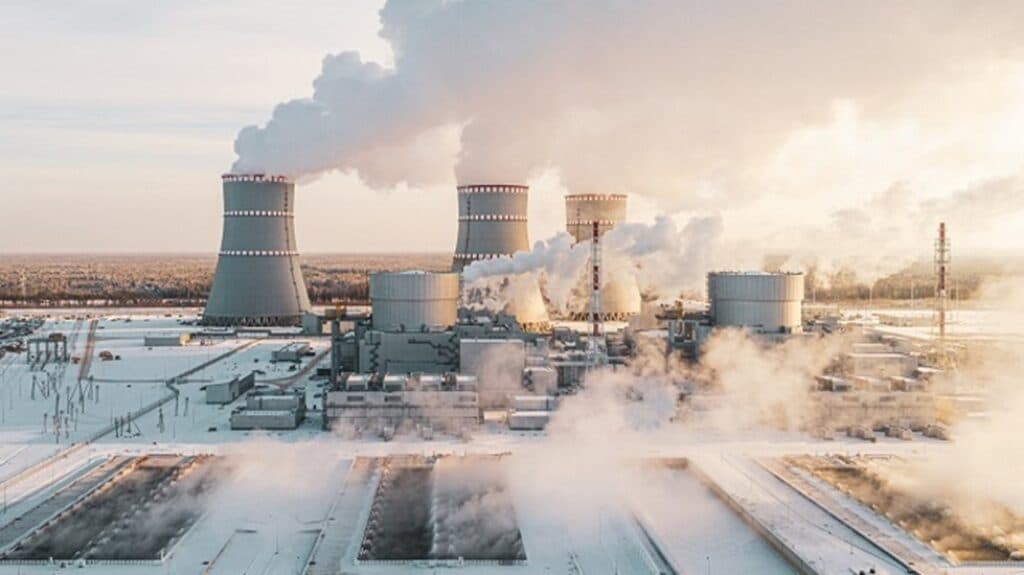
A new Russian nuclear unit at the Kursk II power plant is one step closer to commercial operation this year. On the last day of 2025, technicians connected it to the electricity grid and began ramping up its output. The unit, equipped with the most powerful VVER reactor to date, has an installed capacity of 1250 MW. In total, four new nuclear units at Kursk II will replace the aging RBMK reactors dating from the 1970s and 1980s.
Russian energy company Rosatom announced that the commissioning of a new unit at the Kursk II nuclear power plant had reached a significant milestone. At the very end of 2025, technicians connected the first VVER-TOI unit, with an installed capacity of 1250 MW, to the electricity grid. After connection, the nuclear unit reached an output of 240 MW and is now undergoing tests at progressively higher power levels.
“The commissioning of the power unit is proceeding according to plan. Comprehensive tests are currently underway to bring the unit to the required output level. The equipment and systems must operate efficiently, reliably and safely, as required by the operating procedures,” noted Alexander Shutikov, CEO of Rosenergoatom JSC.
Russia’s VVER-TOI unit (also known as VVER-1300) is the most powerful unit in the VVER series. Compared with the VVER-1000, it has 25% more installed capacity, while its capacity is 55 MW higher than that of the VVER-1200 units at the Leningrad nuclear power plant.
The country began construction of the second phase of the Kursk nuclear power plant with the first concrete pour for the first unit in 2018. Construction of the second unit followed a year later. Under the original plans, the first unit was to start generating electricity at the end of 2022. The other two planned reactors are still awaiting the start of construction, but work should be imminent given the goal of commissioning all the new reactors by 2034.
Replacing aging reactors
The first phase of the Kursk power plant had a total of 4 RBMK-1000 reactors, commissioned between 1976 and 1985. The first two have not generated electricity since 2021 and 2024, respectively. The other two will cease operation within 5-10 years. Once commissioned, their replacement, Kursk II, will have a quarter more installed capacity and is expected to generate electricity for up to 100 years.
“On 30 December 2024, the general plan for deploying new power units through 2042 was approved. Under the plan, we are to build 38 nuclear units. And today, a year later, we are taking the first step toward increasing nuclear power’s share of the country’s energy mix from the current 20% to 25%,” said Alexey Likhachev, CEO of Rosatom.
Translation disclaimer
This article is a machine translation of the Czech original and has not yet been fully reviewed. In case of any doubt, please refer to the Czech version.