Coal mining in the US fell by more than a tenth in 2024, EIA says

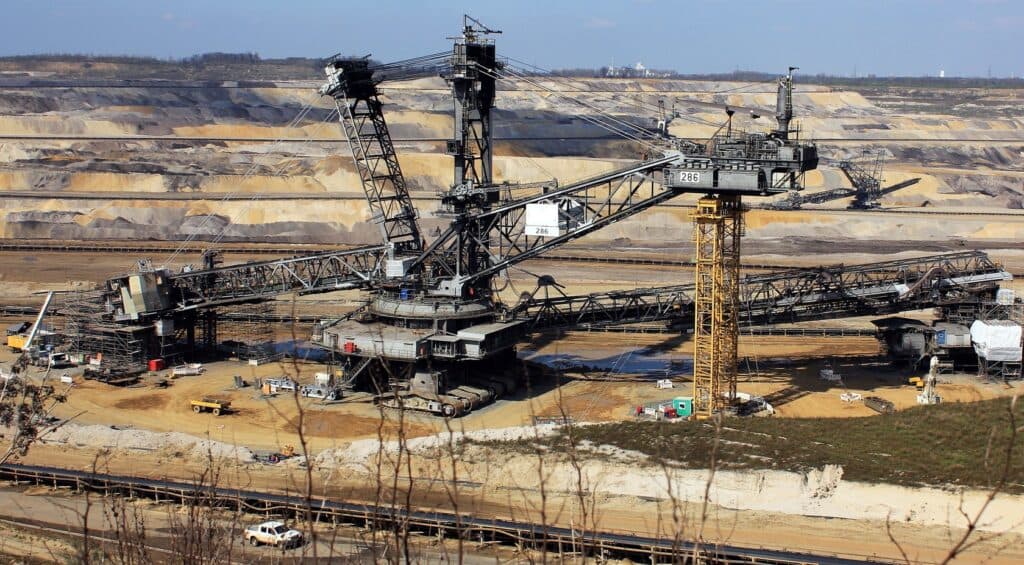
The new annual report from the U.S. Energy Information Administration (EIA) for 2024 confirms the decline of the coal sector in the US. According to the report, the number of coal mines in the US fell from 560 to 524. Nevertheless, the data show that coal still plays a significant role globally.
In 2024, the US coal industry experienced one of its sharpest declines in recent years. Coal production fell to 512.5 million short tons, an 11.3% year-on-year decrease. The figure illustrates how quickly a once-dominant sector is shrinking. The number of operating mines also fell, from 560 to 524, while total mining capacity decreased by 1.7% to 832.8 million tons.
The EIA report also shows that the decline extends beyond mining to final consumption. Coal consumption fell to 410.9 million short tons, a 3.5% year-on-year decrease that further confirms the US energy sector's shift away from coal.
Power plants remain the largest consumers, using 373.3 million tons, or approximately 87.6% of the country's total coal consumption.
The decline has also affected mining productivity. Labor productivity fell by a significant 7.6% to 5.22 short tons per labor hour. This figure suggests that US mines are facing not only weaker demand but also more challenging operating conditions or lower economic returns. Their operators are therefore under pressure to develop plans to improve operational efficiency.
US production and consumption fall as global demand rises
The decline in coal mining and consumption in the US is part of a long-term trend. According to an analysis by the Congressional Research Service (CRS), coal accounted for only about 8% of US primary energy consumption in 2024, compared with around 23% in 2000. The main factors are the gradual closure of coal-fired power plants, growing competition from natural gas, and the rise of renewable energy sources.
The decline of coal in the US has practical consequences: regions dependent on coal mining and electricity generation face job losses, investment challenges, and the need to transition to other energy sources. At the same time, this development creates opportunities to expand renewable technologies and energy innovation.
On the other hand, according to the International Energy Agency (IEA), global coal demand rose in 2024, reaching a record high and suggesting that the transition away from coal is not linear. This means that although the coal sector in the US is declining, coal remains an important part of the energy mix in most of the world.
Translation disclaimer
This article is a machine translation of the Czech original and has not yet been fully reviewed. In case of any doubt, please refer to the Czech version.