7 October 2026, 19:33
Loading...
Drought’s impact on available capacity in Southeast Europe may persist until October

David Vobořil
17 August 2026, 13:24
Prolonged drought may, according to analysts, keep available generation capacity in Southeast Europe under heightened pressure until autumn. Although precipitation is expected to gradually return to normal, low water reserves and the slow replenishment of waterways are expected to continue limiting generation at nuclear and hydropower plants. The situation could complicate electricity supply security, particularly during periods of high demand.
Southeast Europe may face limited availability of electricity from hydropower and nuclear plants using river water for cooling until early autumn due to the prolonged drought. According to Montel EQ analyst Eylert Ellefsen, inflows in Southeast Europe are not expected to normalise before the end of September. This is despite forecasts indicating that precipitation in the region should approach the long-term average by the end of August. However, replenishing waterways and water reserves may be subject to considerable delays.
The situation is particularly problematic in Central and Southeast European countries. According to Montel EQ, water levels in Austria, Hungary, Serbia, Romania and other countries in the region are below the minima recorded over the past 20 years. Inflows are only around 50 % of normal levels.
Low flows pose a problem not only for cooling nuclear power plants, but also for hydropower generation. According to Montel EQ’s outlook, hydropower output should remain approximately 0,8 to 1,1 GW below the long-term average in the coming weeks.
Outages or restrictions at nuclear power plants can have a significant impact on the regional capacity balance. Nuclear sources account for a substantial share of electricity generation in some countries, and their restrictions cannot easily be offset by increased output from other sources. Should the problems persist, the need for generation from more expensive peak-load sources and for electricity imports may increase.
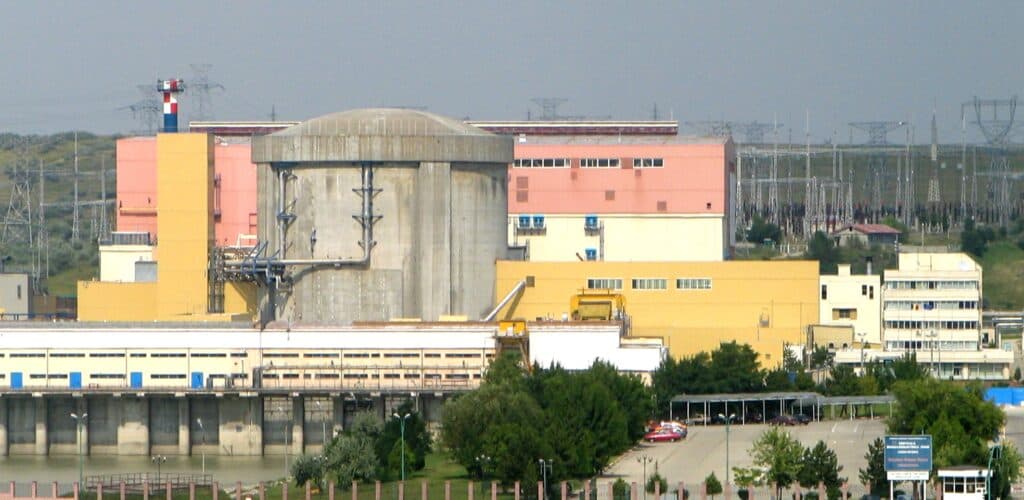
A significant example is Hungary’s Paks nuclear power plant, with installed capacity of approximately 2 GW, whose cooling system depends on conditions on the Danube. Persistently low river levels pose a risk to the availability of its capacity. A similar dependency exists at Romania’s Cernavodă power plant, with capacity of 1,35 GW, and Slovenia’s Krško power plant, with capacity of 0,7 GW.
Translation disclaimer
This article is a machine translation of the Czech original and has not yet been fully reviewed. In case of any doubt, please refer to the Czech version.
Sdílejte článek prostřednictvím:
You might also like
7 October 2026, 16:15
7 October 2026, 11:20