
17 October 2026, 13:09
Loading...
France: Nuclear and solar power face off
Jakub Musil
25 March 2025, 06:24
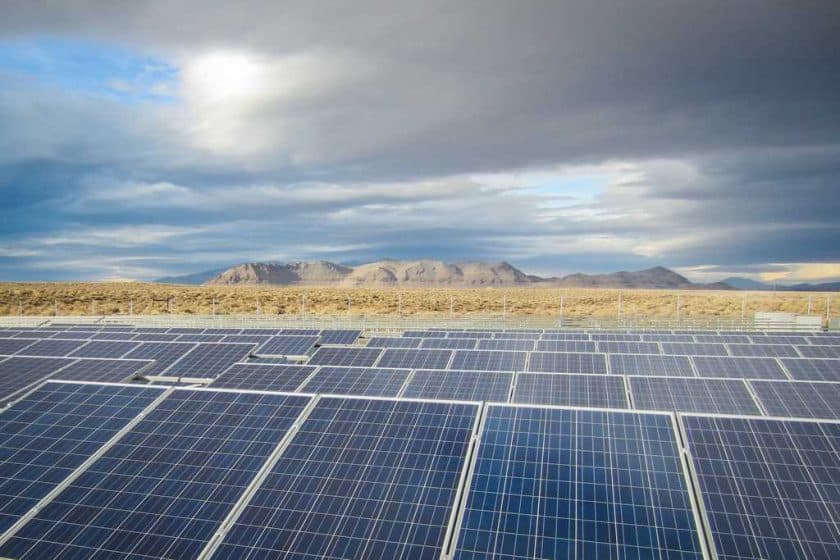
The French government has cut its 2030 solar energy target by 10%. Falling electricity consumption and rising renewable generation are putting pressure on nuclear power. Experts warn that instead of conflict between nuclear and renewable energy, France should focus on accelerating its shift away from fossil fuels.
The French government has cut its target for installed solar capacity in 2030 by 10% to 65–90 GW in the latest draft of its long-term energy programme. At the end of 2024, a total of 23.7 GW of solar capacity was connected to the grid, according to French transmission system operator RTE, with 4.7 GW newly connected last year.
The lower targets reflect a conflict between “the relatively short-term economic interests of one company [EDF]… and long-term questions of energy sovereignty,” says Jules Nyssen, president of the French renewable energy association SER.
Low demand and renewables drive up the cost of nuclear power
The French energy sector has long faced tensions between nuclear power and renewables. According to Nyssen, these flared up again in 2024 as the share of renewable energy rose and electricity demand fell.
EDF, operator of Europe’s largest nuclear fleet, with 57 reactors, was forced to cut electricity generation by 30 TWh in 2024 due to low demand—twice the reduction recorded in 2019. According to EDF, this curtailment “created technical and organisational constraints the company had never experienced before” and increased operating costs.
Many disagree: renewable energy is needed
Olga Givernet, an MP from the centrist EPR party, criticised the government’s strategy, saying that instead of cutting renewable energy development targets, the government should encourage electricity use and demand flexibility.
“Still 60% of our final energy consumption comes from fossil fuels, yet we now find ourselves in a situation where zero-carbon technologies are pitted against each other,” Givernet warned.
Andreas Rudinger of the Iddri think tank made a similar point, urging France to focus on moving away from fossil fuels instead of fuelling conflict between different low-emission technologies.
Translation disclaimer
This article is a machine translation of the Czech original and has not yet been fully reviewed. In case of any doubt, please refer to the Czech version.
Sdílejte článek prostřednictvím:
You might also like




16 October 2026, 10:16