Gas production in the US stagnated last year despite LNG expansion

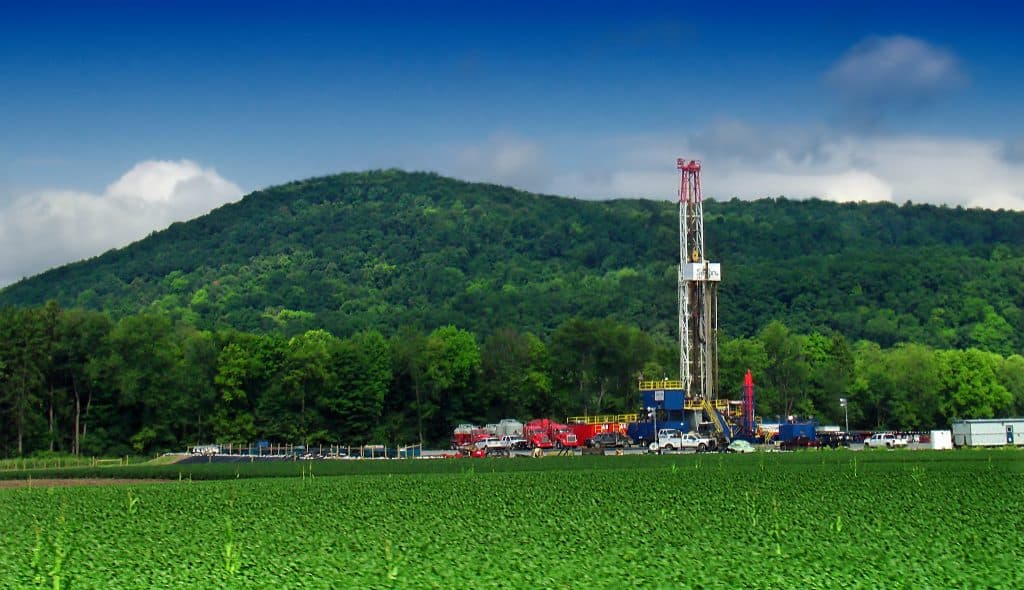
Gas production in the US grew only slightly in 2024, despite rising LNG exports. Production at selected fields was helped in particular by favorable Texas oil prices, according to the US government agency EIA. Lower gas prices on international markets, by contrast, were not particularly favorable for producers in the southern and eastern United States. They face higher costs and insufficient infrastructure.
US exports of liquefied natural gas (LNG) have been rising steadily since 2016. Volumes increased from approximately 14 million cubic meters (mcm) per day to 337 mcm per day in 2024. US production has followed a similar upward trend, driven in particular by the development of shale gas production.
Despite this, gas production in the country has not seen significant growth in recent years. According to the latest data from the US Energy Information Administration (EIA), gas production in the country increased by less than 11.3 million cubic meters per day. The sector therefore grew only slightly last year.
Higher oil prices helped Texas, while infrastructure holds back producers in the Appalachian region
Production in the Permian Basin, which straddles New Mexico and Texas, was the main contributor to the modest increase. Companies such as Exxon Mobil, Chevron and Occidental Petroleum have a strong presence in the area; US investor Warren Buffett made a significant investment in the latter last year. Fields in the region accounted for 22% of total US natural gas production in 2024.
According to the report, production growth in the Permian Basin is primarily the result of associated gas produced during oil extraction. Oil performed well on the market in 2024. The average price of West Texas Intermediate (WTI) crude was USD 77 per barrel in 2024 (approximately EUR 71 per barrel). That is high enough to keep producers active in the area.
By contrast, drilling activity in the Haynesville and Appalachian regions stagnated. Haynesville is on the other side of Texas and extends significantly into neighboring Louisiana. The region is close to LNG terminals in the Gulf of Mexico. The Appalachian region, home to the largest gas field in the US, the Marcellus Shale, accounts for 20-30% of the country’s total natural gas production.
According to the EIA, production growth in the Appalachian region in the eastern US has slowed in recent years, primarily because of limited pipeline capacity. Experts often cite inadequate infrastructure, distance from export terminals and the difficulty of further construction as the main barriers to developing production in the region.
Low gas prices at the key Henry Hub distribution point have also contributed to the current situation facing gas producers in the Appalachian region. According to the EIA’s monthly reports, they also affected production in the Haynesville area, where gas deposits are deeper than in other regions, leading to higher extraction costs.
Translation disclaimer
This article is a machine translation of the Czech original and has not yet been fully reviewed. In case of any doubt, please refer to the Czech version.




