Geopolitics brings Europe back to nuclear power. But without investment and clear rules, no new boom will come
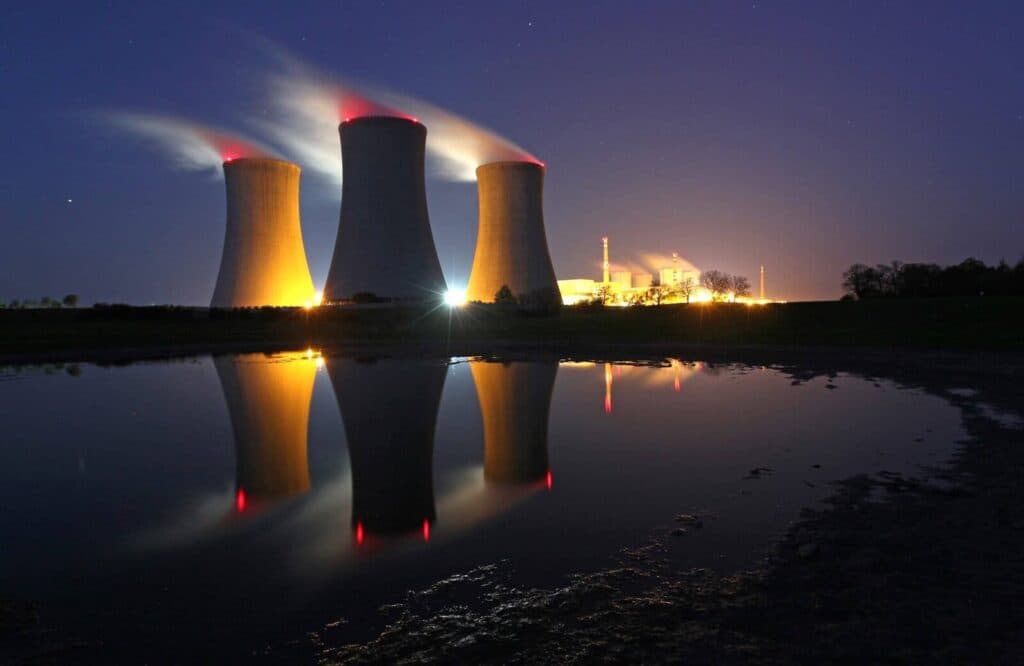
The war in the Middle East, the impacts of Russia’s invasion of Ukraine and growing pressure to decarbonize are reopening the question of nuclear energy’s role. The industry sees nuclear power as a necessary pillar of Europe’s energy security, but warns that without clear policies, financing and support for the fuel cycle, current interest will remain merely an ambition, reports S&P Global.
Geopolitics brings nuclear back into play
The worsening geopolitical situation is pushing energy security back to the center of the European debate. This was the consensus among nuclear industry representatives at the World Nuclear Fuel Cycle conference, held in Monaco on 14–16 April. The war in the Middle East, uncertainty in global markets and experience with supply disruptions following Russia’s invasion of Ukraine are prompting policymakers and industry to reconsider the role of stable domestic energy sources. Nuclear power is once again coming to the fore—in Europe and globally.
Industry representatives say the current situation presents an extraordinary window of opportunity. According to Sama Bilbao y León, director general of the World Nuclear Association, this marks a return to a pragmatic approach. She also warns, however, that many initiatives remain more ambition than real progress.
The fuel cycle as Europe’s weak point
The European context is distinctive. Although the EU has classified nuclear energy as a sustainable activity under its taxonomy, the fuel cycle itself is not included. According to the industry, this restricts financing and holds back investment in key parts of the supply chain—from uranium conversion and enrichment to fuel manufacturing.
Security of supply is crucial in this area. Since 2022, the EU has begun systematically reducing its dependence on Russian fuel, Western companies are expanding capacity, and countries are increasingly emphasizing energy sovereignty.
“We can produce fuel locally. Sovereignty is crucial,” said Lionel Gaiffe, vice president of French company Framatome, which operates in the nuclear fuel cycle.
According to the industry, Europe has an advantage in its existing infrastructure and know-how. Existing reactors provide stable generation, low emissions and grid stability—all vital as renewable energy sources expand.
Without investment, the opportunity will be lost
Sector representatives agree that the main problem is not technology, but policy. Emmanuel Brutin of NuclearEurope said that strengthening Europe’s resilience requires investment across the entire nuclear supply chain and further reducing dependence on Russia.
Although attitudes toward nuclear power in the EU have improved recently, he said the key is to adopt concrete measures that enable investment in both new power plants and the fuel cycle. These require long-term regulatory certainty, available financing and a clear strategy. Initiatives such as REPowerEU are aimed at energy security, but remain incomplete when it comes to nuclear power.
A similar trend is visible globally. Rising uranium and fuel services prices point to a shift toward securing supplies over the long term and growing demand driven by a combination of security and climate goals.
The industry’s conclusion is clear: nuclear energy has a chance to return to the heart of energy policymaking. But for it to translate into real projects, Europe will have to align its security goals with financing and regulation. Otherwise, it will remain more a political symbol than a pillar of the transition.
Translation disclaimer
This article is a machine translation of the Czech original and has not yet been fully reviewed. In case of any doubt, please refer to the Czech version.