7 October 2026, 19:33
Loading...
German energy companies face threat of fines for failing to meet smart meter quotas

David Vobořil
26 January 2026, 06:06
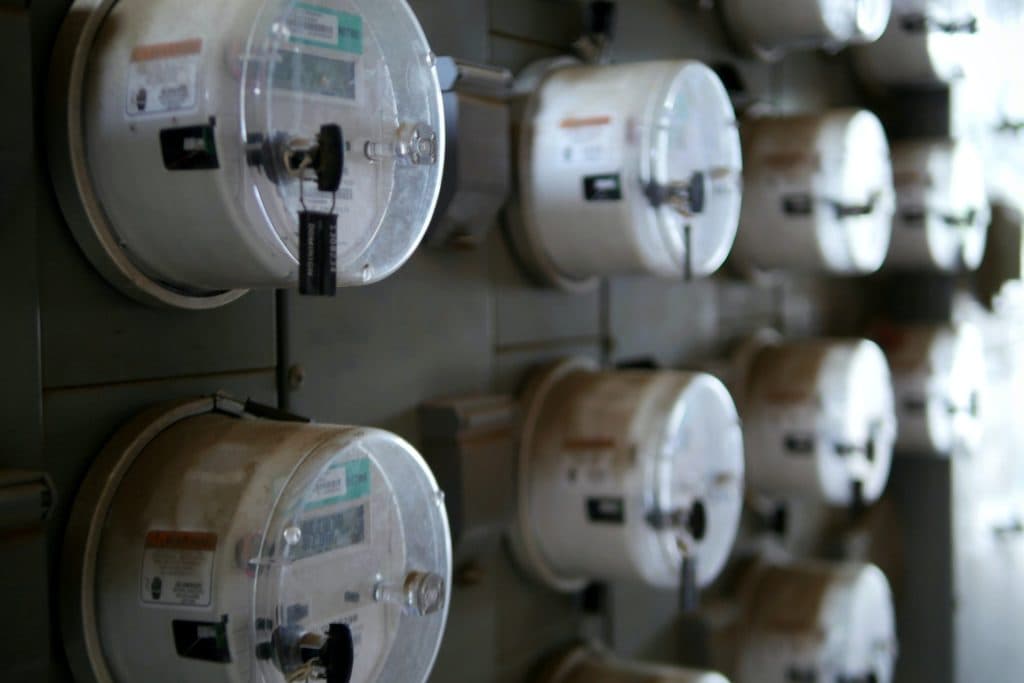
As part of the digitalisation of the electricity system, metering point operators in Germany are required to install so-called smart meters for consumers with high electricity consumption or devices such as heat pumps or charging stations. However, according to data from Germany’s Federal Network Agency (BNetzA), nearly 85% of operators had failed to meet these legal quotas by the end of 2025, leaving them facing fines. The plan is part of the modernisation of Germany’s energy grid and preparations for a transition to a higher share of renewables and more flexible consumption.
By the end of 2025, metering point operators in Germany were required to equip at least 20% of households in their areas that are subject to the legal installation requirements with smart meters. However, 688 of the 814 companies, or nearly 85%, failed to meet this target, the newspaper Handelsblatt reported, citing BNetzA data. Nearly one in four small metering point operators has yet to install a single smart meter.
What is a smart meter?
A so-called smart meter continuously measures electricity consumption and stores the data in its memory at regular intervals, for example every 15 minutes. Standard meters, by contrast, are read once a year, and consumption patterns are estimated using statistical methods based on readings from so-called typical customers with similar consumption profiles. In this case, information on consumption patterns is therefore not available for individual consumers.
Metering point operators are required to install smart meters in households with annual electricity consumption exceeding 6 000 kWh and in households with heat pumps or electric vehicle charging stations with a capacity above 4.2 kW. While smart meters have been standard in other European countries for many years, much of Germany still uses analogue meters.
BNetzA said the exact amount of the fines has not yet been determined, but penalties will be calculated according to the extent of the breach of legal obligations and the “economic capacity” of each operator. The regulator also warned that it may impose repeated and escalating penalties to enforce compliance with the law.
Why smart meters? Flexibility and grid digitalisation
Smart meters are a fundamental component of a modern, flexible electricity grid that can better respond to the growing share of renewable energy sources. The variable output of wind and solar power places greater demands on grid management, making the use of demand-side flexibility an important part of the equation.
Smart meters are essential for harnessing consumer flexibility through so-called flexibility aggregators or dynamic tariff applications, which allow consumption to be adjusted to current market prices. Consumption can, for example, be shifted from periods of low renewable generation and higher prices to periods of surplus generation or lower electricity prices.
A survey conducted last October showed that German consumers and businesses are increasingly interested in smart metering, with more than three-quarters of respondents saying they could imagine having such a device installed in their home. In 2020, only 36% of respondents in Germany were in favour of the technology.
Translation disclaimer
This article is a machine translation of the Czech original and has not yet been fully reviewed. In case of any doubt, please refer to the Czech version.
Sdílejte článek prostřednictvím:
You might also like
7 October 2026, 16:15

7 October 2026, 11:20