
22 November 2026, 20:42
Loading...
IAEA team assesses use of Chilean research reactor
Pavel Suk
26 July 2022, 13:32
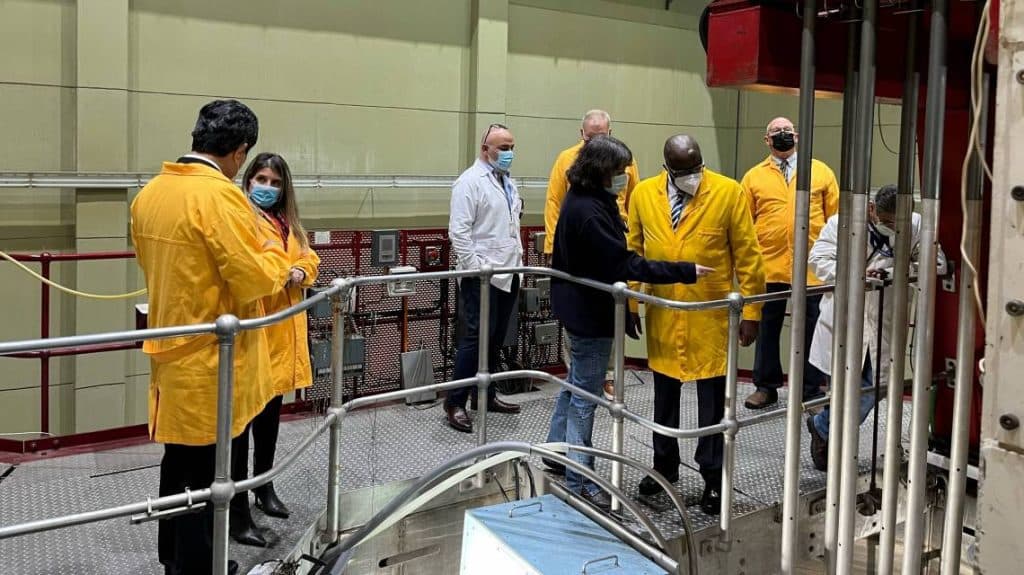
A team from the International Atomic Energy Agency (IAEA) carried out its first in-person mission focused on research reactor utilization. The international team of experts conducted a thorough assessment of the utilization of Chile’s RECH-1 reactor and its potential for future applications.
The Chilean Nuclear Energy Commission has operated the RECH-1 reactor since 1974. The 5 MW reactor is located at the La Reina Nuclear Centre in Santiago.
RECH-1 is a pool-type nuclear reactor that uses low-enriched fuel. Light water serves as both the moderator and coolant, as well as providing shielding from ionizing radiation. A distinctive feature of this research reactor is its beryllium reflector, which sends some neutrons back into the reactor core, improving the reactor’s operating economics.
RECH-1 is currently used to produce radioisotopes, most commonly for medical purposes. In addition to producing radiopharmaceuticals, the reactor is used to irradiate samples for chemical analysis and geological materials to determine their age. It can also prepare special radioactive samples for easy detection.
Translation disclaimer
This article is a machine translation of the Czech original and has not yet been fully reviewed. In case of any doubt, please refer to the Czech version.
The article continues for subscribers
Premium content
The rest of this article is available to premium subscribers only. Get access to all premium articles on oEnergetice.cz.
You have read only 26% of the article — unlock the remaining 74% with a premium subscription.
Best value: annual subscription
Monthly option 4 € / month
3.25 €/ month
You might also like
22 November 2026, 08:19
22 November 2026, 07:22

21 November 2026, 07:47