Interconnected grid failure: Kazakhstan, Uzbekistan and Tajikistan hit by power outage

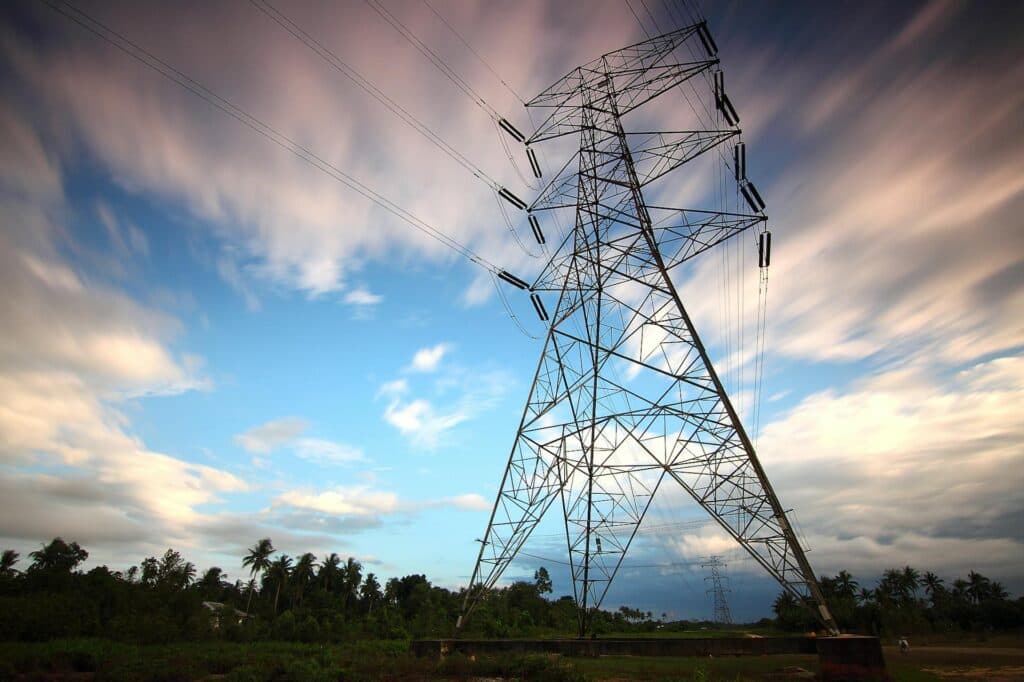
On Friday 14 August, a widespread power outage hit three Central Asian countries – Kazakhstan, Tajikistan and Uzbekistan. The energy ministries of all three states, whose electricity grids are interconnected, confirmed supply disruptions and said they were already working to gradually restore power. The incidents were reported by Reuters and local media.
Kazakhstan's Energy Ministry said on Telegram that the country experienced an overvoltage caused by a “sudden change in energy flow” in the Central Asian power grid. An emergency control system was subsequently activated, leading to the disconnection of some consumers in several regions of the country. Electricity supplies on the transmission system operated by state-owned KEGOC were later fully restored, while regional energy companies gradually reconnected individual customers to the grid.
The worst-hit location was Almaty, Kazakhstan's largest city, with a population of around 2.37 million. According to Alatau Zharyq Company, the outage began at 14:38 local time, when three 500 kV high-voltage lines – L-5400, L-5300 and L-5320 – operated by KEGOC unexpectedly tripped.
These lines form part of Kazakhstan's north-south transmission system. Their outage activated grid protection mechanisms, resulting in the disconnection of consumers in Almaty and the wider surrounding region. The immediate cause of the outage of all three lines has not yet been clarified.
In Uzbekistan, the Energy Ministry said that an “accident in the energy system of a neighbouring country” affected the operation of the Central Asian power system and caused outages in the southeastern Surkhandarya region and other parts of the country. Electricity supplies were later restored in most affected areas, except for some parts of Surkhandarya. However, Kazakhstan's Energy Ministry rejected claims that an accident directly within the Kazakh grid had caused the problems in Uzbekistan.
Tajikistan's Energy Ministry also reported that it was addressing an “emergency situation” in the energy system and said it had taken measures to restore normal operations as quickly as possible. An interministerial working group was also established to determine the cause of the incident. Media reported power outages in the capital, Dushanbe, and the country's second-largest city, Khujand, among other locations.
At this point, it has therefore not been confirmed whether the outages in all three countries had a common cause, or whether they were several interrelated problems in the interconnected Central Asian power system.
Power outages are not unusual in Central Asia. The region has long struggled with ageing energy infrastructure, limited transmission grid capacity and, in some countries, considerable dependence on hydropower plants. This can become a problem especially during periods of water scarcity and increasing climate change impacts.
Friday's outage also came during a period of intense summer heat, when electricity consumption rises sharply, primarily due to the widespread use of air conditioning. The incident highlights the vulnerability of interconnected energy systems in Central Asia, where a problem in one part of the system can quickly affect electricity supplies beyond national borders.
Translation disclaimer
This article is a machine translation of the Czech original and has not yet been fully reviewed. In case of any doubt, please refer to the Czech version.