17 November 2026, 16:42
Loading...
Japan and Poland continue cooperation on high-temperature reactor development that could help decarbonize heavy industry
Pavel Suk
6 December 2022, 12:53
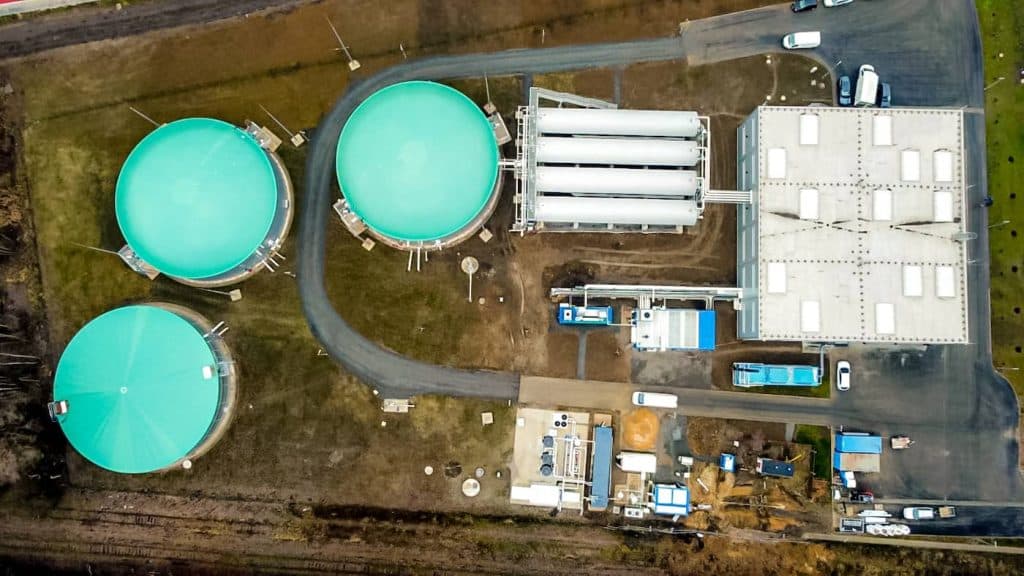
A new agreement between Japanese and Polish nuclear institutions sets out the basis for a research reactor. It complements ongoing research and development of high-temperature gas-cooled nuclear reactor technology.
The Japan Atomic Energy Agency (JAEA) and Poland’s National Centre for Nuclear Research (NCBJ) are collaborating on the development of a reactor capable of providing temperatures of up to 1000 °C. The reactor could therefore replace fossil-fuel heat sources in the chemical and petrochemical industries.
The effort aims to meet the decarbonization targets of heavy industry and other sectors. In addition to decarbonizing industry, a high-temperature heat source could also be used to produce “green” hydrogen through the thermal decomposition of water. High-temperature reactors could therefore increase the efficiency of water electrolysis and ensure sufficient production of this fuel.
Japan plans to continue working with the Polish research centre on developing the basic design of an HTGR reactor and further improving the technology developed by the Japanese side. One of the aims of the agreement is to standardize Japan’s HTTR high-temperature reactor technology and strengthen its competitiveness on the international market.
Translation disclaimer
This article is a machine translation of the Czech original and has not yet been fully reviewed. In case of any doubt, please refer to the Czech version.
The article continues for subscribers
Premium content
The rest of this article is available to premium subscribers only. Get access to all premium articles on oEnergetice.cz.
You have read only 30% of the article — unlock the remaining 70% with a premium subscription.
Best value: annual subscription
Monthly option 4 € / month
3.25 €/ month
You might also like
17 November 2026, 13:27