19 October 2026, 13:15
Loading...
Jørgensen: Europe will need biomethane alongside electricity
Erik Novotný
19 October 2026, 11:33
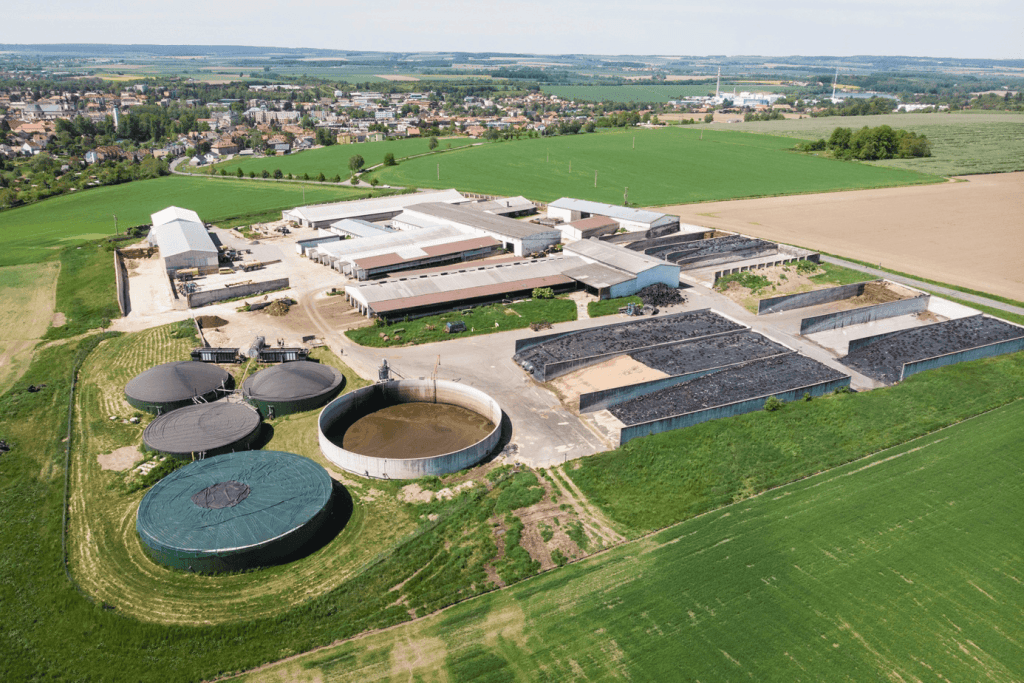
Europe’s biomethane sector has significant potential, but its development is being held back by regulatory barriers and a lack of investment certainty. At European Biomethane Week in Brussels, the European Biogas Association (EBA) called for conditions that would support both production and industrial demand. Energy Commissioner Dan Jørgensen stressed the importance of domestic sources for Europe’s independence.
Europe’s biomethane production capacity has exceeded 8 billion m³ per year. Biogas and biomethane together supplied around 22 billion m³ of gaseous energy in 2024, equivalent to roughly 7% of Europe’s gas consumption.
More than 20,000 biogas plants and nearly 1,700 biogas-to-biomethane upgrading facilities are operating in Europe. The sector is also attracting capital, with announced investments totalling 36 billion euros, according to the EBA.
Jørgensen: Europe will need renewable molecules
Energy Commissioner Dan Jørgensen included biomethane among the solutions that can contribute to the EU’s energy independence.
“Nothing is more important than security. Yes, we must take prices and flexibility into account, but independence must be the priority. Secondly, climate change is a reality, and we know we have to act quickly and do much more. Renewable energy sources play an important role in moving away from polluting electrons, but we will still need molecules and biogas—biomethane is part of these solutions,” he said at the conference.
Renewable energy sources and electrification will play a crucial role in the energy transition, but not all sectors can easily switch to electricity alone. Renewable gases can therefore complement the decarbonisation of industry and other parts of the energy system.
2030 potential held back by slow development
According to a technical assessment cited by the EBA, Europe’s biomethane production could reach 35 billion m³ per year by 2030.
To realise this potential, the association says permitting processes will need to be accelerated, demand strengthened and more stable investment conditions ensured. Better integration of the European market will also play an important role, making it easier to market biomethane across different countries.
Binding targets and digestate offer further opportunities
EBA President Piero Gattoni is calling for a regulatory framework that will turn the sector’s potential into actual investment and production.
“We are not asking for special privileges. We are asking for a regulatory framework that will allow European biomethane to fulfil its potential,” he said.
The association’s Director General, Harmen Dekker, drew attention to the lack of binding targets and the insufficient value placed on by-products from biogas production, known as digestate. Around 98% of digestate is returned to agricultural land, he said, but its market value is often low or non-existent.
Clear rules on end-of-waste status could help create a market for high-quality organic fertilisers and reduce Europe’s dependence on mineral fertilisers.
Electrification and renewable gases complement each other
Paolo Frankl of the International Energy Agency (IEA) noted that direct electrification and energy efficiency are essential to moving away from fossil fuels. However, energy security and decarbonisation also require sustainable gaseous sources, he said.
The further development of biomethane will therefore depend not only on the availability of feedstocks and technologies, but also on predictable regulation, a functioning market and sufficient demand from industry.
Translation disclaimer
This article is a machine translation of the Czech original and has not yet been fully reviewed. In case of any doubt, please refer to the Czech version.
Sdílejte článek prostřednictvím:
You might also like
19 October 2026, 13:05
19 October 2026, 11:33
19 October 2026, 10:37