4 October 2026, 21:07
Loading...
Melting glaciers threaten Austria's energy sector: Is 'peak water' approaching?
Vojtěch Kříž
16 April 2026, 10:04
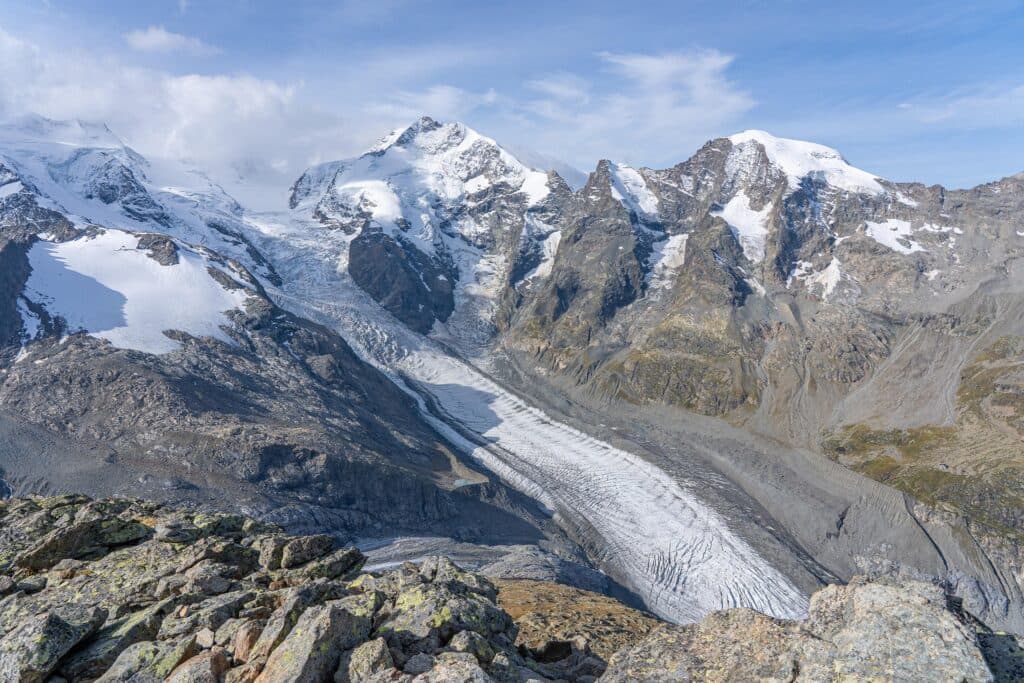
Climate change is gradually reshaping Austria’s hydrological map. This affects not only the environment but also electricity production from the country’s extensive fleet of hydropower plants. Some scientists say Austria is approaching a point when glaciers will permanently shrink and no longer be able to significantly swell rivers. Some call this phenomenon “Peak Water.”
Hydropower has been an integral part of Austria’s energy mix, accounting for around 60% of electricity generation in 2024. Water provides a significant share of generating capacity, and state-owned company Verbund AG generates up to 90% of its electricity from hydropower. Reports of problems with glaciers therefore also have far-reaching economic implications.
"Almost all glaciers are losing mass; that is the consensus...," some media outlets quote Austrian glaciologist Francesca Pellicciotti.
The rating of Verbund AG, for example, was downgraded by rating agency Standard & Poor's (S&P), and profits are expected to decline in the coming years. Some climate models say “peak water” will occur within the next twenty years. Here, “peak water” means that the glaciers that supply much of Austria’s water will no longer be able to replenish themselves. In some years, electricity generation from hydropower in Austria has even increased as melting glaciers released more water, but this is unsustainable in the long term.
Austria’s future
Austria, one of Europe’s pioneers in renewable energy, has limited time to adapt before its main source declines. Other countries, such as Turkey, are already experiencing the loss of a once-sustainable, stable and flexible energy source due to climate change. The effects of drought on hydropower generation have also been evident over the long term in Czechia and other countries.
Austria’s fleet of hydropower plants and reservoirs has long been seen as a strategic advantage and has been a key factor behind the country’s position as one of those with the “cleanest” energy mixes. Climate change and the resulting shifts in weather patterns could now put this at risk. Weather fluctuations, including swings between drought and heavy rainfall, are also a problem, adding further, less predictable variables. This is one reason Austria still has to turn to gas-fired power plants in winter.
These changes are raising concerns about the future of electricity prices, as hydropower has been key to maintaining price stability in Austria. Verbund AG is seeking to diversify its portfolio by investing in wind and solar farms—not only in Austria but also in southern Europe—in an effort to prepare for “peak water.”
Austria also aims to generate 100% of its electricity from renewable sources by 2030, a target that will probably be achievable with the construction of battery systems. The question, however, is how much hydropower capacity will eventually need to be replaced when “peak water” occurs. This is one reason some are now investing in research into the phenomenon, to improve forecasts of future water availability.
Translation disclaimer
This article is a machine translation of the Czech original and has not yet been fully reviewed. In case of any doubt, please refer to the Czech version.
Sdílejte článek prostřednictvím:
You might also like
3 October 2026, 13:01
3 October 2026, 07:43
2 October 2026, 21:55