
17 October 2026, 13:09
Loading...
New renewables in Nordic countries face problems due to low electricity prices and intense competition
Jakub Musil
17 February 2025, 17:23
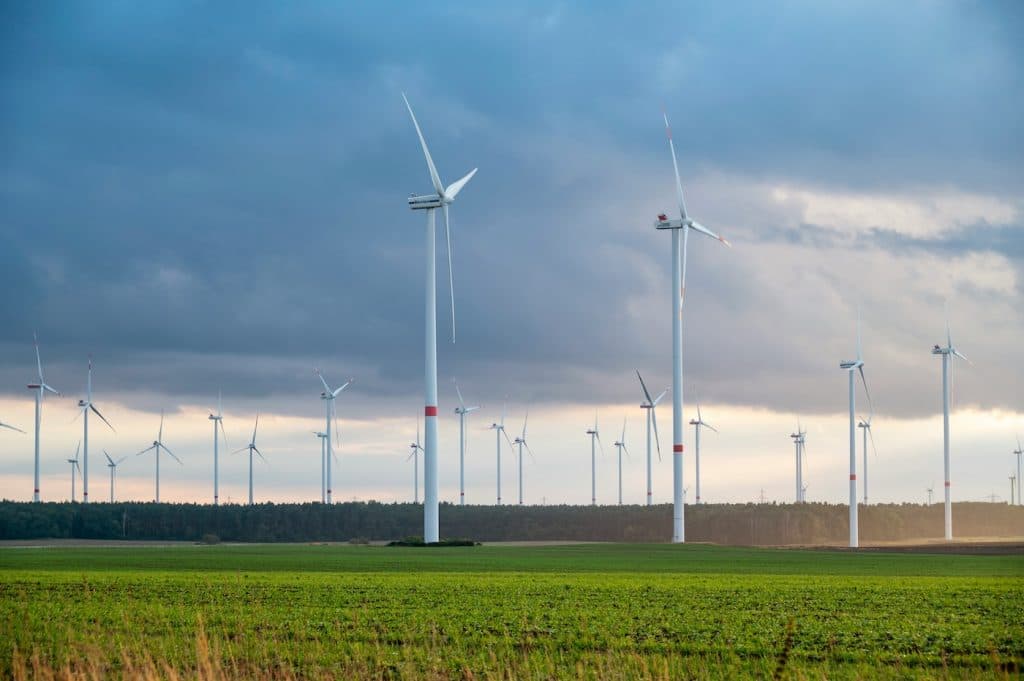
In Nordic countries, low electricity prices are making it harder for producers to secure long-term PPAs. Producers prefer “pay-as-produced” agreements, but the returns they offer are too low to incentivize investment in new renewables. In Czechia, renewable energy sources rely more on state support than on PPAs.
In Nordic countries, it is becoming increasingly difficult for energy producers to secure long-term power purchase agreements (PPAs). The problem is low wholesale electricity prices and falling capture rates for renewable energy sources (RES)—the ratio of the average electricity price under a contract to the average market price of electricity.
According to Matthi Ahtosala, head of operations for northwestern Europe at Swiss energy company Alpiq, the rapid increase in installed wind and solar power capacity is reducing capture rates. This increases the risks associated with so-called baseload PPAs, which, according to Ahtosala, most large energy consumers prefer.
Under baseload PPAs, renewable energy operators commit to delivering an agreed amount of energy 24/7. Any fluctuations in their own renewable generation are then offset by purchases of electricity on the market, posing a risk because the price with the PPA buyer was agreed in advance.
Due to low capture rates, renewable energy operators are increasingly opting for “pay-as-produced” agreements, which help them reduce risk. However, according to Alpiq’s model, these agreements offer returns that are too low to incentivize investment in new renewable energy sources.
The role of PPAs in renewable energy development
PPAs play an important role in the development of new renewable energy sources, particularly wind farms. These agreements provide power plant operators with stable and predictable income, reducing uncertainty about a project’s returns and potentially making it easier to secure financing for its construction.
In the Czech Republic, the use of PPAs remains relatively limited. New renewable energy sources (wind and hydroelectric power plants) rely primarily on a state guarantee of purchase prices through so-called contracts for difference (CfDs), and a more significant expansion of PPAs in the Czech Republic is still awaited.
Translation disclaimer
This article is a machine translation of the Czech original and has not yet been fully reviewed. In case of any doubt, please refer to the Czech version.
Sdílejte článek prostřednictvím:
You might also like




16 October 2026, 10:16