11 November 2026, 12:52
Loading...
Record-low Danube takes more than 3 GW of nuclear capacity offline in Central Europe. Drought is becoming a risk to the market and security of supply

Lukáš Lepič
4 August 2026, 08:37

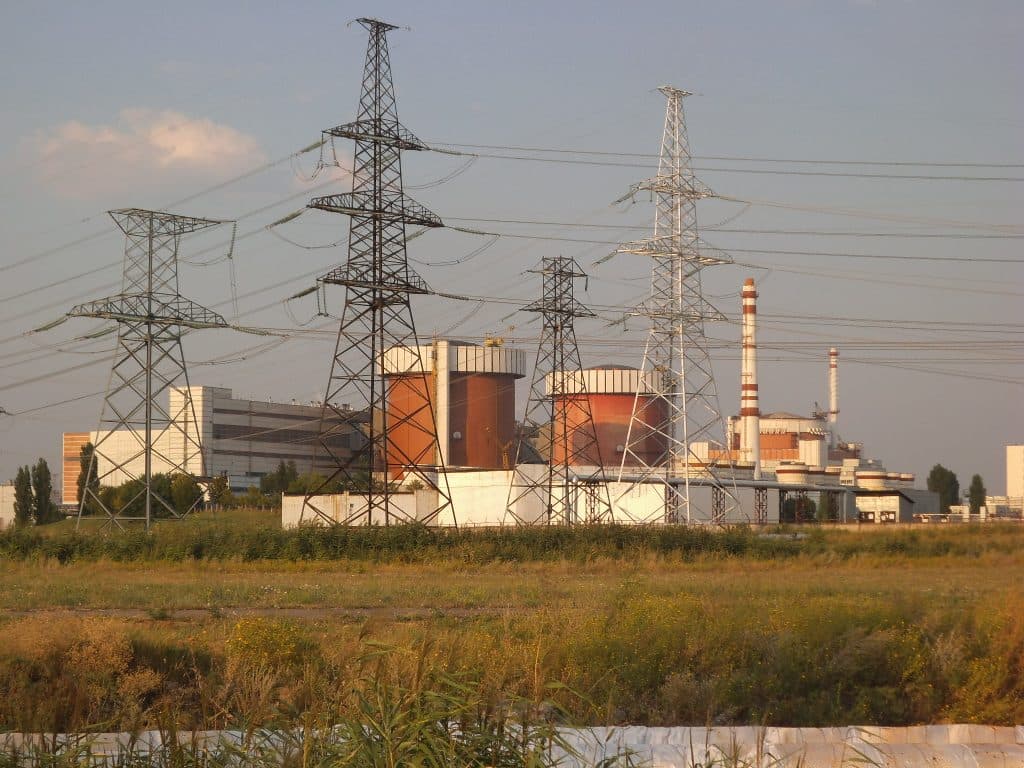
The Danube’s record-low water level has taken Hungary’s Paks power plant and Romania’s Cernavodă plant offline — together accounting for more than three gigawatts of low-cost, steady baseload capacity, at the peak of a heatwave. The governments of both countries have called on industry to curb consumption and are preparing emergency measures. For the interconnected Central European market, this could mean more expensive imports, greater electricity price volatility and further evidence that extreme weather is becoming one of the main risks to security of supply.
Hungary’s Paks power plant, with four reactors and installed capacity of around 2,000 MW, normally covers roughly 45 to 50% of Hungary’s electricity generation. Due to the Danube falling to a historic low, it had to gradually reduce output before proceeding to a full shutdown — for the first time in 44 years of operation. In neighbouring Romania, the country’s only nuclear power plant, Cernavodă, shut down one unit initially and, after a further decline in water levels, the second unit as well. The two reactors provide approximately one-fifth of Romania’s electricity generation.
Translation disclaimer
This article is a machine translation of the Czech original and has not yet been fully reviewed. In case of any doubt, please refer to the Czech version.
The article continues for subscribers
Premium content
The rest of this article is available to premium subscribers only. Get access to all premium articles on oEnergetice.cz.
You have read only 20% of the article — unlock the remaining 80% with a premium subscription.
Best value: annual subscription
Monthly option 4 € / month
3.25 €/ month
You might also like

11 November 2026, 10:55

11 November 2026, 10:43
10 November 2026, 16:31