This year’s heatwaves put south-east Europe’s power system to the test. The region lacks flexibility

The combination of extreme heat and drought posed a major stress test for south-east Europe’s power systems. Low water availability, constraints on nuclear plant availability and high electricity demand for cooling increased pressure on the transmission grid. According to analysts, the system coped with the crisis better than expected, but it also exposed shortcomings in flexibility, cross-border cooperation and grid resilience.
This summer tested south-east Europe’s power sector’s ability to cope with a combination of several adverse factors. Heatwaves with temperatures around 40 °C coincided with a period of drought, which constrained hydropower generation and the availability of some nuclear capacity. According to Greek power market analyst Konstantinos Pappas, this amounted to a major system stress test.
Although the system adapted to the situation better than initially expected, the crisis exposed shortcomings in regional flexibility, he said. Pappas said flexibility effectively became an internationally traded commodity this summer. The importance of cross-border cooperation rose sharply at times when some countries had surplus electricity while others faced shortages.
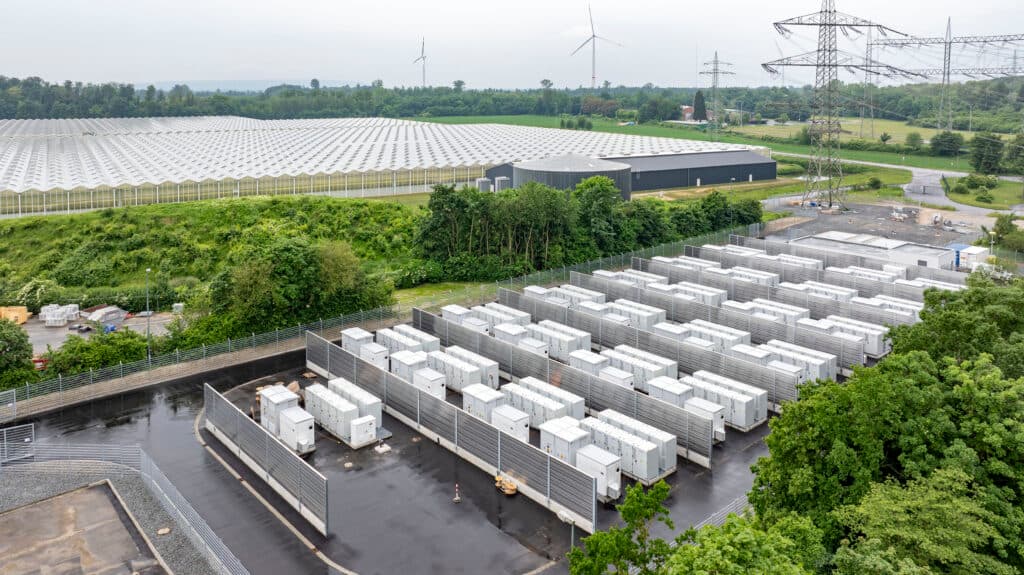
Bulgaria played a significant role. According to Pappas, the country has battery storage facilities with a combined output of around 6 GW and capacity of 16 GWh, which were increasingly used as a regional flexibility hub. The batteries stored cheap electricity from solar plants during periods of high generation and then released it during evening peaks. They mainly helped balance the situation in Romania.
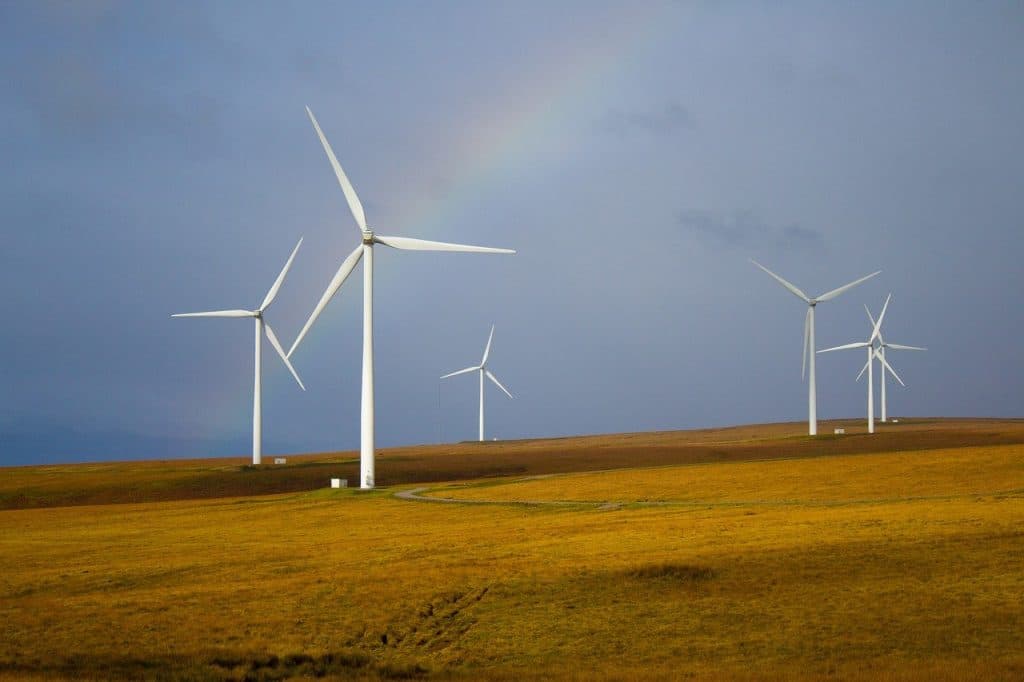
High renewable surpluses in Greece also contributed to regional stabilisation. Electricity exports from Greek solar and wind plants helped balance differences between generation and consumption in neighbouring countries.
High gas prices, which raised the cost of generation at gas-fired power plants, complicated the situation. At the same time, electricity consumption rose due to cooling needs, while the evening decline in solar generation created sharp changes in system load.
Heatwaves reduce the transmission capacity of power lines
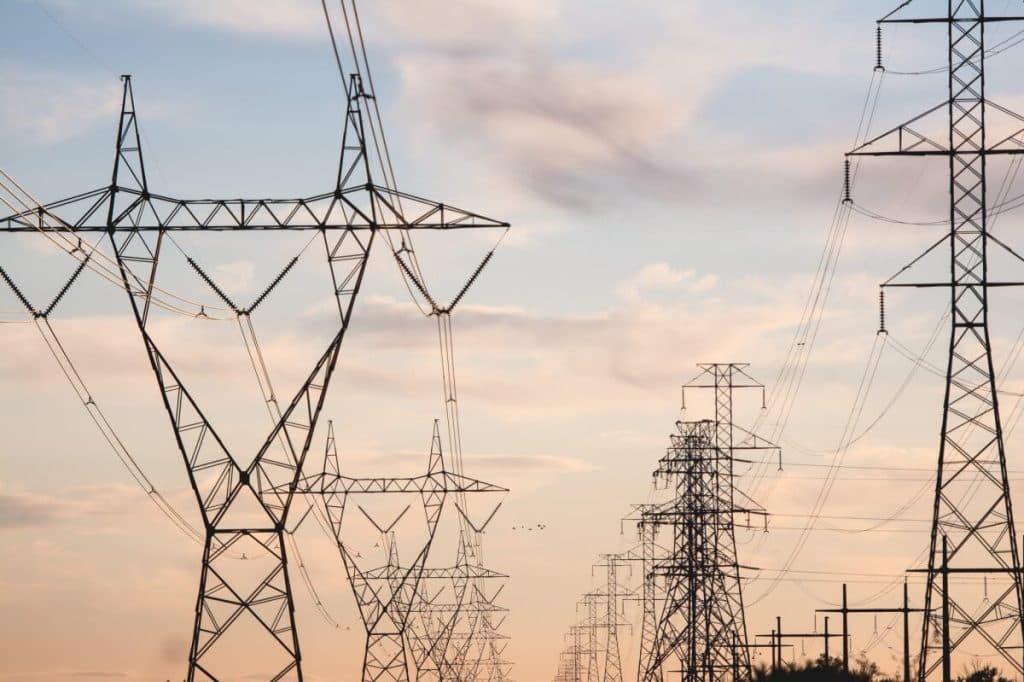
The strain was not limited to electricity generation. Goran Levacic of Croatian transmission system operator HOPS noted that high air temperatures reduce the transmission capacity of power lines, increase conductor temperatures and sag. Transmission losses also rise and equipment ageing accelerates.
“Heatwaves reduce the transmission capacity of overhead lines because higher air temperatures increase conductor temperatures and sag, raise losses and accelerate equipment ageing,” Levacic said.
Transmission system operators responded by assessing several measures, including requirements for battery flexibility and demand-side response, dynamic calculation of transmission capacity, improved weather monitoring, and replacing conductors on critical lines with conductors that can operate at higher temperatures while having lower sag.
Extreme weather scenarios are also increasingly being incorporated into grid planning. For example, operators must assess whether the system can cope with the outage of a major transmission line during exceptional heat, and plan infrastructure reinforcement or electricity flow rerouting accordingly.
Making better use of existing resources will be key
According to Pappas, the short-term solution will not be limited to building new power plants and cross-border lines. Major generation and infrastructure projects are unlikely to be completed before next summer. The priority should therefore be to deploy the flexibility already available in the region more quickly.
This primarily means speeding up the connection of battery storage facilities and their participation in balancing and ancillary services markets. Managing industrial demand, more accurate forecasts of renewable energy generation and electricity consumption, and closer coordination among transmission system operators should also play a more important role.
According to analysts, batteries should not replace pumped-storage hydropower plants, but complement them. Battery storage can respond very quickly and is suitable for short-term fluctuations. Pumped-storage plants, by contrast, can be used to “shift” large volumes of electricity over a longer time horizon and stabilise the system.
In the long term, Pappas said it will be necessary to strengthen cross-border transmission capacity and use European balancing energy trading platforms more efficiently, particularly PICASSO and MARI.
Translation disclaimer
This article is a machine translation of the Czech original and has not yet been fully reviewed. In case of any doubt, please refer to the Czech version.