100% Growth in Two Years. Czech "Solar Boom" Set to Last Another 5 Years

Martin Voříšek
Martin Voříšek
1 July 2025, 10:05
dvojnasobek-behem-dvou-let-cesko-zaziva-opet-solarni-boom

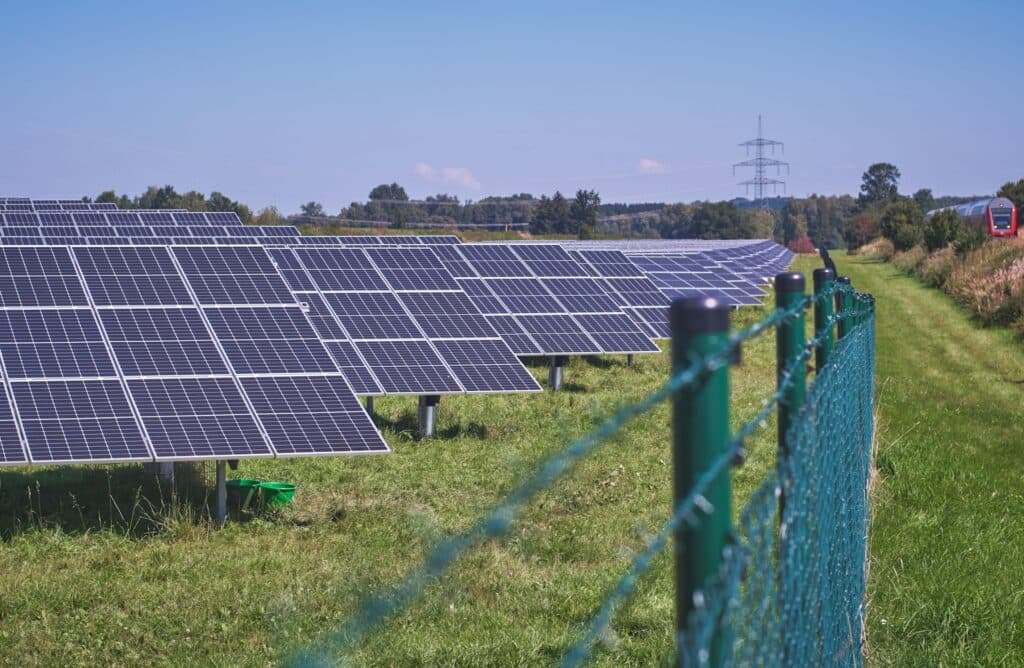
Solar power plants in the Czech Republic are set for another record year—at least in terms of electricity generation. In the first half of the year alone, solar power plants generated one-fifth more electricity than in the same period last year, according to data from the transmission system operator. Compared with 2023, this represents a doubling.

The past two years have been a turning point for solar power plants in the Czech Republic. New solar capacity has begun to be added to the Czech grid in greater volumes. For the previous ten years, the sector had effectively "stood still" after the solar boom of 2009 and 2010 made it unpopular with the public and politicians.

New installed capacity over the past two years has been driven primarily by new, smaller rooftop installations on homes and businesses. Large solar parks (i.e. parks with capacity exceeding 10 MW) have so far largely remained on paper. Nevertheless, the capacity of solar resources connected to the grid has nearly doubled over the past two years, with sources totalling approximately 2 GW connected to the network.

The construction of new capacity has naturally also resulted in higher total solar generation in the Czech Republic. As shown in the chart of cumulative annual electricity generation from solar sources, their output has more than doubled over the past two years.

This June will also mark a significant milestone. The data show that it was the month with the highest electricity generation from solar power plants to date. These sources generated more than 650 GWh of electricity—enough to cover the annual consumption of more than 200 000 Czech households.

Will the growth trend continue?

The Czech Republic is expected to have approximately 10 GW of installed solar capacity in 2030. At least that is what the National Energy and Climate Plan, approved by the government at the turn of last year and this year, envisages.

This means that approximately 1 GW of new solar capacity should be built in the Czech Republic each year—capacity comparable to one unit of the Temelín nuclear power plant. The growth in installed capacity seen over the past two years would therefore need to be repeated every year until 2030.

Achieving the stated target may not be so straightforward, however. In particular, the economic returns on investments in large solar parks have deteriorated significantly in recent years. This is because electricity prices on spot markets during midday hours have fallen substantially over the past two years. The value of electricity generation from solar sources is therefore declining, which could jeopardise the financial returns of investments in new capacity.

The "duck curve" in the Czech Republic showing average spot electricity prices at different times of day. Source: Energostat

A recent investor presentation by ČEZ also points to a slowdown in the photovoltaic sector. It shows that ČEZ has also reduced its targets for renewable energy construction by 2030. ČEZ has cut its construction target by approximately half.

Data from the Energy Regulatory Office on newly issued licences for solar sources also show that large solar parks are struggling. Over the past two years (up to May this year), only one solar power plant with capacity exceeding 10 MW was commissioned. ČEZ commissioned this plant near the municipality of Dolní Podluží in the Děčín region.

The economics of solar power plants could be improved by operating subsidies. However, the government is not counting on these and is relying on investors making do with investment subsidies from the Modernisation Fund. Industry organisations have long called for the introduction of operating subsidies for solar sources, but so far without success.

Translation disclaimer

This article is a machine translation of the Czech original and has not yet been fully reviewed. In case of any doubt, please refer to the Czech version.