An opportunity for Czechia too: Ukrainian biomethane instead of Russian gas
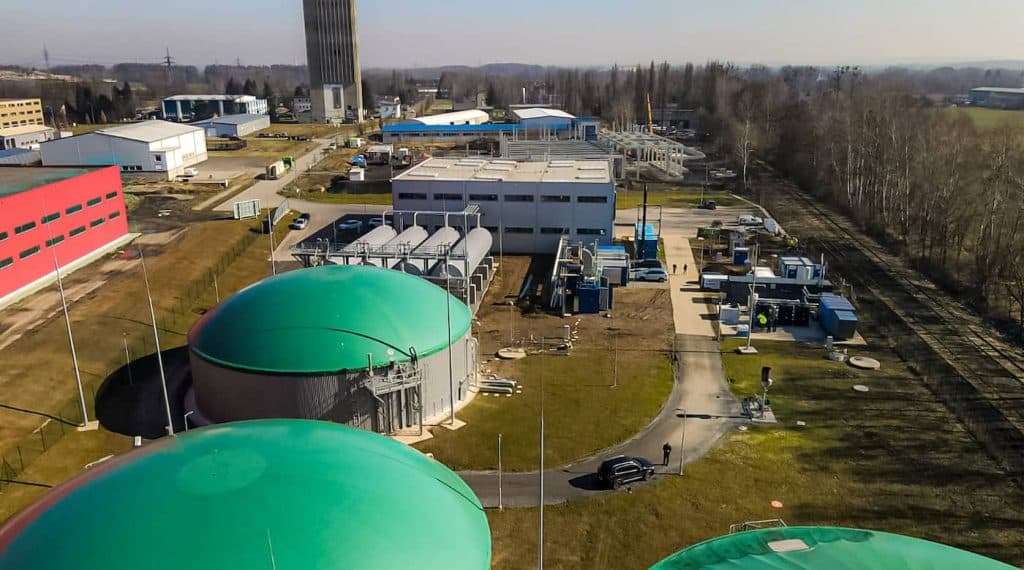
Ukraine could become a significant supplier of biomethane to Czechia within two to five years. Grigoriy Mazur, CEO of the Ukrainian MNC Group, which develops biomethane projects in the country, said this in an interview with Export.cz. Imports from Ukraine could therefore also help Czechia find substitutes for Russian natural gas. Biomethane is purified biogas that can be injected directly into gas pipelines. It is also known globally as “renewable natural gas”.
Ukraine has enormous potential for biomethane production: it is a major agricultural country whose farmers are interested in using straw, post-harvest corn residues and other agricultural or municipal waste for energy. Russian aggression is slowing the development of the sector on the one hand, while on the other, farmers are seeking their own energy solutions amid bombed-out infrastructure, according to Grigoriy Mazur. “Grain silos and dairy plants are investing in the construction of biogas and biomethane facilities to obtain electricity, heat and biomethane for their own production needs,” explains the head of the Kharkiv-based MNC Group.
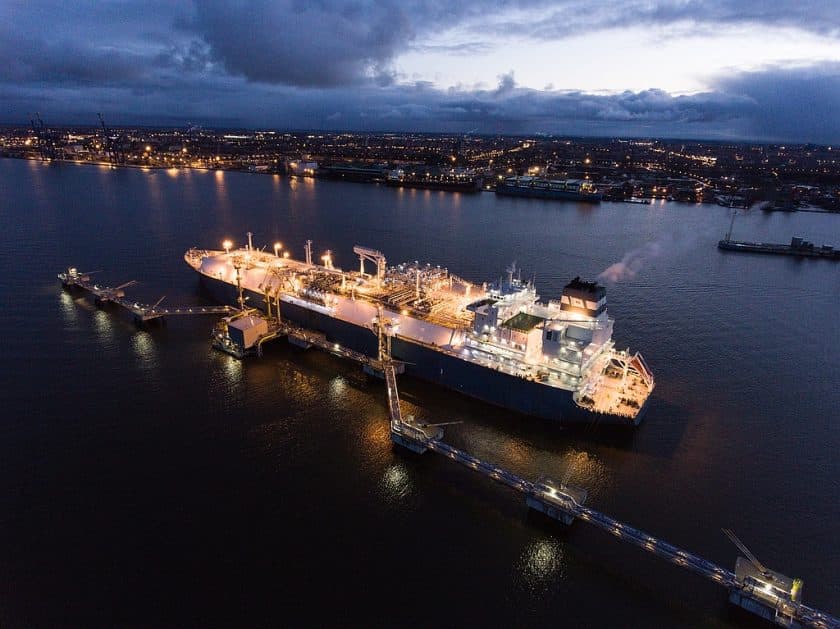
Ukrainian biomethane will likely also be transported to the European Union in liquefied form, as so-called Bio-LNG. As Olga Belkova of Ukrainian gas pipeline operator GTSOU stated in an article for Euractiv.com, injecting biomethane into pipelines before exporting it across the border also has export potential. The country can offer its European partners natural gas blended with biomethane and, in the future, hydrogen as well. In addition to developing biogas production and renewable sources, Ukrainians also intend to focus on new natural gas extraction projects. Czech company MND, part of the KKCG group, has among others become involved in these projects.
In its REPowerEU plan, the European Union envisages annual consumption of up to 35 billion cubic metres of biomethane by 2030, roughly a quarter of previous Russian gas imports. Olga Belkova stresses that the EU should also take Ukrainian imports into account in meeting its targets and allow the country’s biomethane sector to join the EU Single Market.
A chance for Czechs?
Grigoriy Mazur nevertheless believes that it would be most advantageous for Czechia to take the initiative and start building its own facilities for injecting biomethane into gas pipelines. Czechs could then use both their own biomethane and imported Ukrainian biomethane. However, biomethane production is still lagging in Czechia: just one biomethane plant is in operation, although the country has hundreds of biogas plants producing electricity and heat and ranks among Europe’s leaders by their number.
According to Grigoriy Mazur, if Czech companies do not seize the opportunity, major German and Austrian groups will arrive within the next two years. They are already planning activities in Ukraine. “Czechia lies between Ukraine and Austria,” Grigoriy Mazur points out.
Ukraine’s MNC Group cooperates with German company Technik BG. “We offer the latest German technologies for biomethane production and liquefaction,” adds the head of the Kharkiv group. According to him, demand for this equipment remains high in Ukraine despite the war. Russian aggression has created significant difficulties in financing projects, but the European Bank for Reconstruction and Development, for example, had already become involved in them earlier. Olga Belkova believes that even in Ukraine’s current situation, biomethane production is one of the few sectors that can attract private investors. The prospects for exports to Europe will naturally depend on the further course of the war against the Russian aggressor.
Olga Belkova expects biomethane production in Ukraine to reach around one billion cubic metres annually, putting the country more or less on a par with Germany, currently Europe’s largest supplier. According to Grigoriy Mazur, Ukraine’s longer-term potential is much higher and could reach up to 9.7 billion cubic metres annually.
Hydrogen will follow
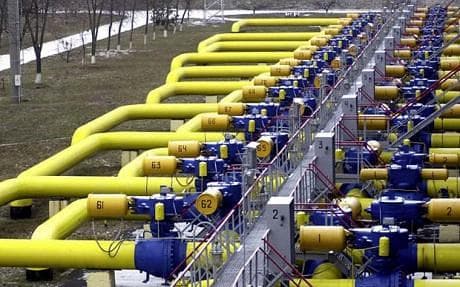
Plans for Ukraine’s post-war reconstruction suggest that, over the longer term, it could also become a major hydrogen supplier to the EU. According to Kyiv and its foreign partners, reconstruction is to include dynamic development of renewable energy sources, which will also provide electricity for green hydrogen production. According to the energy ministries in Berlin and Kyiv, installed electrolyser capacity for hydrogen production in Ukraine could reach eight gigawatts as early as 2030 – equivalent to more than seven units of the Temelín nuclear power plant. Distribution will be based on the existing extensive gas infrastructure, which will in any case need substantial modernisation as part of the country’s reconstruction.
The article was published on the Export.cz website.Translation disclaimer
This article is a machine translation of the Czech original and has not yet been fully reviewed. In case of any doubt, please refer to the Czech version.