11 November 2026, 13:45
Loading...
BNEF: Metal consumption driven by the energy transition will surge

Jan Budín
24 February 2023, 06:12
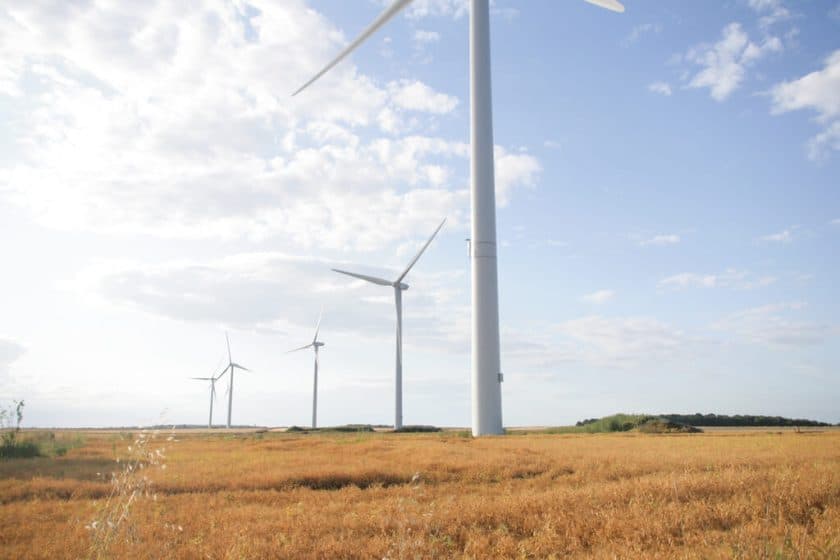
Some of the key technologies for decarbonizing the power sector—wind turbines, solar panels and battery storage—are becoming increasingly efficient in their use of metals. According to BloombergNEF, for example, by 2030 the copper intensity (measured in kg/MW) of onshore wind turbines could fall by 10%, and steel consumption by 3%. Nevertheless, the enormous expected pace of development of these technologies in the coming decades means that the total volume of metals needed to produce them is set to surge.
BNEF researchers expect the intensity of metals and metalloids used to produce wind turbines, solar panels and battery storage to decline quite significantly in the coming years.
“A new generation of metals is enabling a new generation of renewable energy,” said Sung Choi, BNEF’s lead metals analyst, adding that although metals are generally viewed as commodities, they are highly specialized products that continue to improve as new technologies emerge.
Looking at individual metals, BNEF expects a significant decline in copper intensity in the production of onshore wind turbines, with a 26% drop by 2050. For wind turbines intended for offshore wind farms, meanwhile, aluminum consumption is expected to fall by 16% by 2050.
Translation disclaimer
This article is a machine translation of the Czech original and has not yet been fully reviewed. In case of any doubt, please refer to the Czech version.
The article continues for subscribers
Premium content
The rest of this article is available to premium subscribers only. Get access to all premium articles on oEnergetice.cz.
You have read only 33% of the article — unlock the remaining 67% with a premium subscription.
Best value: annual subscription
Monthly option 4 € / month
3.25 €/ month
You might also like
11 November 2026, 13:19

11 November 2026, 12:52
11 November 2026, 10:55

11 November 2026, 10:43