China struggles to transmit renewable electricity as curtailment doubles this year

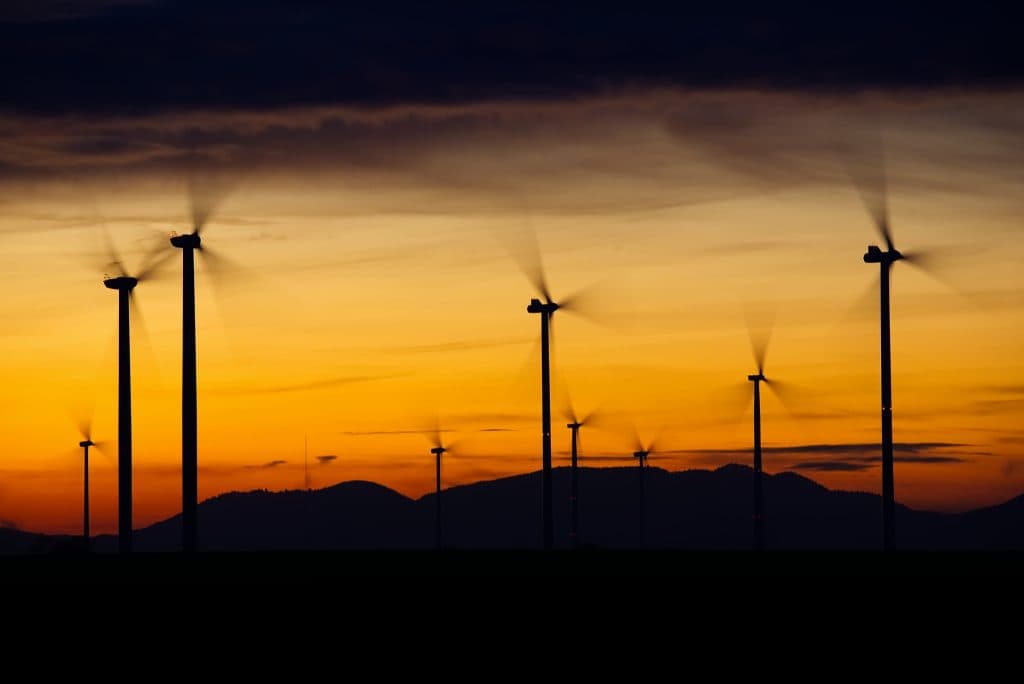
China is struggling to align the development of its transmission grid and electricity storage with the expansion of renewable energy sources (RES), leading to a growing share of electricity generation from these sources being curtailed. According to published figures, highlighted by international news agency Reuters, the share of curtailed output from solar power plants rose to 6.6 % in the first half of this year, while the figure for wind power plants reached 5.7 %.
The share of electricity generation curtailed at solar power plants in China rose by 2.7 percentage points year on year to 6.6 % in the first half of this year. Wind power plants saw a similar increase, from 3 % to 5.7 %. These figures are within China’s national limit of 10 %. However, the limit was raised last year from its original level of 5 %.
Wide disparities between provinces
It should also be noted that these national averages distort the picture, masking a much sharper rise in curtailed renewable generation in some provinces with a high concentration of renewable energy sources. In Tibet, for example, 30.2 % of wind power generation was curtailed in the first half of this year, compared with just 2.3 % in the same period last year. The situation was similar for solar power plants, where the share of curtailed generation rose from 5.1 % to 33.9 %.
A large share of solar power generation was also curtailed in Qinghai province, at 15.2 %. By comparison, the figure was just under 9 % last year. Provinces with high electricity consumption, on the other hand, recorded very low shares of curtailed generation from solar and wind power plants. The cities of Shanghai and Chongqing, for example, did not need to curtail renewable generation at all. The same was true of Fujian province.
Germany faces a similar problem
China is trying to tackle the problem, for example by building new transmission lines to carry electricity from large wind and solar power plants in the west of the country to major cities with high electricity consumption in the east.
Germany, one of Europe’s pioneers in the development of renewable energy sources, faces a similar problem. Last year, it curtailed around 3.5 % of total renewable electricity generation due to bottlenecks in the power grid.
Translation disclaimer
This article is a machine translation of the Czech original and has not yet been fully reviewed. In case of any doubt, please refer to the Czech version.




