Czech Solar Plants Generated a Record Volume of Electricity Last Year, with Nearly 15% Produced “for Free”

Martin Voříšek
Martin Voříšek
2 January 2025, 07:12
ceske-solarni-elektrarny-loni-vyrobily-rekordni-objem-elektriny-z-toho-temer-15-zadarmo

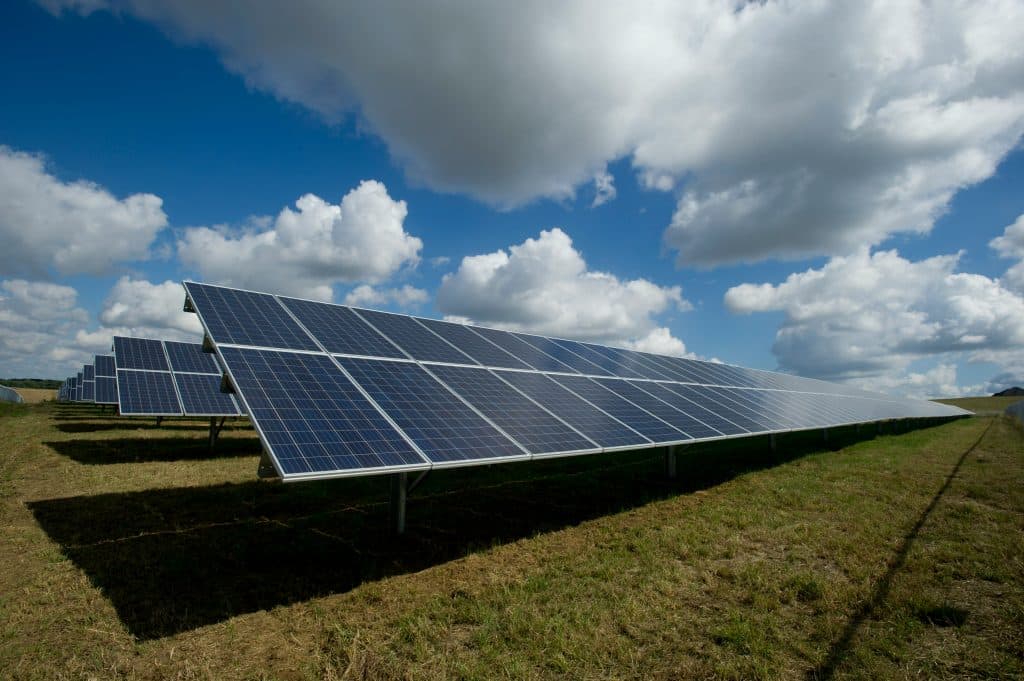
Generation by solar power plants reached 3.9 TWh in 2024, according to preliminary data submitted by ČEPS through the ENTSO-E system. This represents a record annual output from solar sources. However, the record generation also has one negative implication. These plants produced nearly 15% of their output “for free”, i.e. when electricity prices were zero or negative.

Solar power plants in Czechia had a record year. Last year, they became the third-largest source of electricity in the Czech Republic for the first time. Only lignite-fired and nuclear power plants, which have long dominated the Czech energy mix, generated more electricity than solar plants.

According to ENTSO-E data, solar power plants generated approximately 1 TWh more electricity last year than in the year before. While generation stood at around 2.8 TWh in 2023, it rose to as much as 3.9 TWh last year.

Higher generation is primarily being driven by new capacity installed in the post-crisis period. In 2023, newly added solar capacity approached 1000 MW, and last year will be no different. The Solar Association announced as early as the middle of last year that 484 MW had been added in the first six months of the year. Since then, a further 170 MW of new solar capacity has been licensed, according to Energy Regulatory Office (ERÚ) statistics. If the trend set in the first half continues, approximately 900 MW of new installed capacity can be expected for the full year.

Solar power plants generate mainly when day-ahead electricity prices are lower

Higher output from solar sources is, however, increasingly associated with negative and zero electricity prices. There were a record number of such prices last year, reaching 361 in the Czech Republic over the full year.

Negative and zero prices are associated with solar power plants because they occur most frequently when solar generation is at its highest. This is also confirmed by last year's statistics, as the highest number of negative and zero prices again occurred around midday.

Low day-ahead market prices, however, negatively affect the payback of solar power plants if their revenues depend on these prices. This applies to most projects without operating support or without a concluded power purchase agreement (PPA).

Data published on the ENTSO-E website show that nearly 15% of solar power plant generation last year fell in hours when the market electricity price was zero or even negative. Compared with other sources, this is by far the highest share: all other monitored sources generate less than 4% of their annual output at these prices.

Solar power plants also generate the lowest volume of electricity when day-ahead market prices are above average (in 2024, the volume-weighted average day-ahead market price was approximately 90 EUR/MWh). Each of the monitored sources generates roughly half of its annual output at higher prices. Solar power plants generate only just under 20%.

Industry organisations call for operating support, but the government does not plan it for the next three years

For the reasons outlined above, the solar power sector in the Czech Republic is calling for the reintroduction of operating support for photovoltaic sources. The lack of operating support in the Czech Republic is particularly problematic for bank financing of new capacity construction.

“What we had long pointed out and warned about has happened: investment subsidies from the Modernisation Fund are not the most suitable way for the state to support the development of large renewable sources. The main obstacle is that volatile energy prices are not bankable,” Jan Krčmář, executive director of the Solar Association, previously told Ekonomický deník.

However, the Ministry of Industry and Trade and the Czech government continue to oppose the introduction of operating support. In December, the government adopted a regulation setting the amount of installed renewable capacity that can receive state operating support over the next three years. While support for up to 350 MW per year is allocated to wind power plants, the regulation does not provide for operating support for photovoltaic power plants at all.

Translation disclaimer

This article is a machine translation of the Czech original and has not yet been fully reviewed. In case of any doubt, please refer to the Czech version.