Czech Solar Plants Have So Far Generated 18% of Their Electricity During Negative-Price Hours This Year

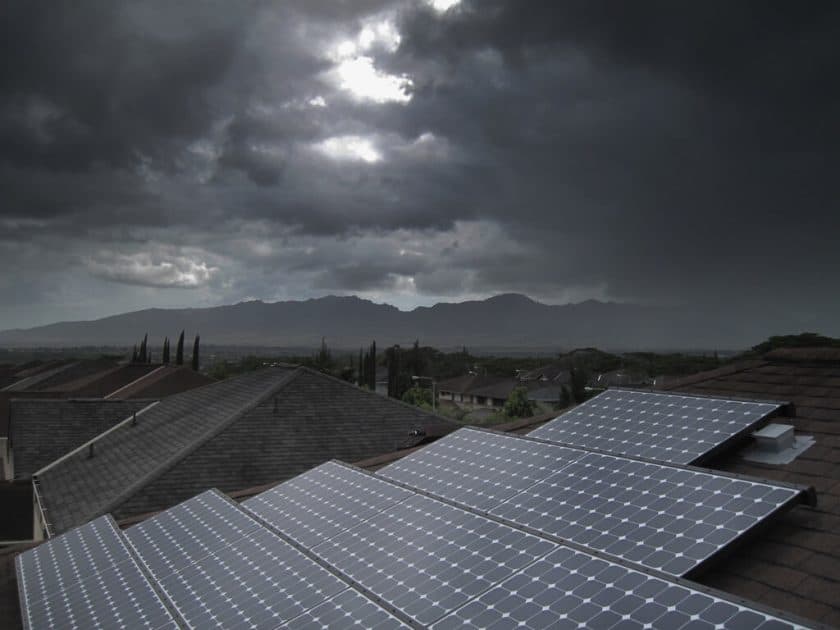
In the first five months of this year, Czech solar power plants generated 17.7% of their electricity in hours with negative prices. Including zero prices, this accounted for as much as 23.5% of generation. The data show that the cannibalisation of photovoltaic revenues is moving from a purely theoretical concept into everyday operational reality. Should operating support for solar power plants be reintroduced in the future, this fact must be taken into account.
According to data for the first five months of the year, Czech solar power plants generated a total of 2.05 TWh of electricity. Of this, 362.6 GWh was generated during periods when the day-ahead electricity market price was negative. Another 117.4 GWh was generated at a zero price. In total, solar sources supplied 480 GWh of electricity to the grid at times when the market price was zero or negative. If they sell their electricity only on the day-ahead market, they would be selling it for free.
In relative terms, this is by far the worst result among the main generation sources. Solar power plants generated 17.7% of their output so far this year at negative prices, and 23.5% at zero or negative prices. The share is markedly lower for other sources. Wind power plants generated 3.75% of their output at negative prices, nuclear power plants 3.73%, biomass 3.33%, and lignite-fired power plants only 1.13%.
In absolute terms, nuclear power plants did supply more electricity at negative prices than solar sources—444.5 GWh—but this represents a substantially smaller relative impact given their total generation.
The worst month this year? Unsurprisingly, May
The problem was most visible at the turn of April and May. This was precisely when high photovoltaic generation coincided with lower system demand during public holidays and weekends. The result was repeated midday price drops deep into negative territory, peaking on the first day of May, a public holiday.
The May capture price for solar power plants ultimately reached approximately 40 EUR/MWh after a very unfavourable start to May. This figure was ultimately higher than in previous years. In May 2024, the capture price for solar power plants was approximately 34 EUR/MWh, and last year it was around 28 EUR/MWh.
Even so, these amounts are less than half the monthly average prices on the spot market. In May, the average spot market price was approximately 98 EUR/MWh.
The reason for the low capture prices is clear from the daily generation profile. Solar power plants generate the most in the hours when their own output reduces the electricity price on the day-ahead market. This effect intensifies with every additional MW installed, unless the system's ability to consume, store or export electricity at midday grows at the same time. Neighbouring countries, however, generally face the same problem, limiting export opportunities.
Operating support does not fully solve the problem
Importantly, negative prices do not affect only sources selling electricity without support. Under the current Czech rules, support for electricity does not apply to electricity generated during periods when a negative quarter-hourly price is reached on the day-ahead market (note: the rules apply only to new electricity sources, not to sources from the solar boom period). In other words, during negative-price intervals, the producer not only faces a low or negative market price but also loses operating support.
This is important for any potential debate on the return of operating support for large solar projects. Industry associations have long called for it, arguing that investment subsidies alone are insufficient to secure bank financing. However, the Czech legal framework effectively excludes solar power plants from auctions. The government regulation defining the development of supported energy sources sets a zero capacity volume for photovoltaics for 2025 to 2027, both for the auction premium for sources from 1 MW and for the green premium for smaller generating plants.

If solar auctions return in the future, investors will therefore have to reflect the growing number of negative prices in their offered reference price. If no entitlement to support arises during these intervals, the project risk increases and investors will likely factor it into the auction price they require.
Without flexibility, pressure on midday prices will intensify
The Czech Republic nevertheless continues to plan for further growth in solar power. The National Energy and Climate Plan envisages approximately 10 GW of installed photovoltaic capacity by 2030, while current capacity is slightly above half that level.
Without storage and demand-side management, however, further installations will increase generation in quarter-hours with negative prices. Battery projects are only just getting underway in Czechia, and their economics will depend on the spread between midday lows and evening peaks (after the potential for providing flexibility for balancing services has been "exhausted"). This year's data show that room for so-called merchant flexibility is opening up relatively quickly.
Translation disclaimer
This article is a machine translation of the Czech original and has not yet been fully reviewed. In case of any doubt, please refer to the Czech version.