Czech solar power is set for another record year. But the value of its output is falling dramatically

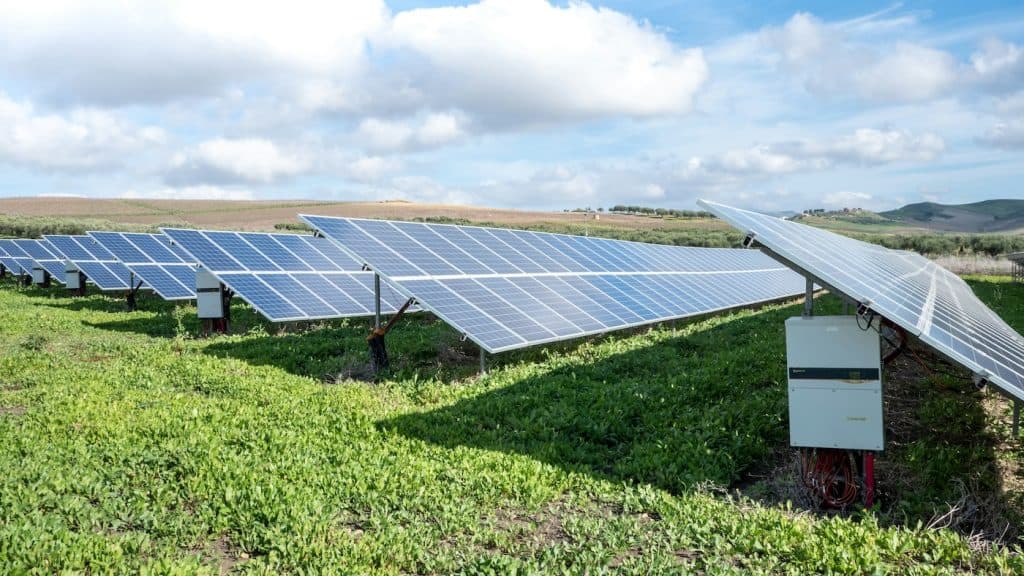
Czech solar power plants have had a record March. March generation from Czech photovoltaics reached 454 GWh, 42% more year on year. This March was therefore the fifth month with the highest electricity generation from solar sources. The downside, however, is their declining capture price, which stood at only 57% of the average spot market price.
The increase in installed capacity of solar power plants from last year is now beginning to fully show in the Czech Republic. In March, which is not typically the strongest month for solar generation, generation rose by 42% year on year.
To recap, according to statistics from the Czech Association of Regulated Electricity Companies (ČSRES), the Czech Republic added nearly one GW of solar capacity last year, for the second consecutive year. The capacity additions were again driven primarily by rooftop installations—this time, however, much more often on the roofs of companies and businesses.
Thanks to new solar installations, last year was also a record year in terms of generation volume. According to statistics from transmission system operators (ENTSO-E), output rose by approximately 40% due to the increase in installed capacity, reaching just under 4 TWh.
A similar generation trend is already apparent this year, and this March indicates that solar power plant output will very likely exceed last year's almost 4 TWh.
However, the further increase in generation from Czech solar power plants is driving down their average capture price.
Average solar capture price
The average solar capture price is the average market price of electricity that a photovoltaic power plant would achieve given the daily profile of its generation. It therefore reflects the real value of electricity generated by solar power plants and is usually lower than the overall average market price because of downward price pressure during periods of high solar generation.
In March, the average capture price reached just under 57 EUR/MWh, while the average electricity price on the spot market stood at around 104 EUR/MWh.
In relative terms, comparing the average capture price with the average spot price, this March looks even worse. The capture price reached only 56.8% of the average spot price. This is the second-worst result since 2015. Only last May was worse in this respect, when the capture price reached just 49% of the average spot price.
Even last January's record will likely be surpassed, very probably as early as April. According to data that are still incomplete, the average capture price in April stands at just under 42%.
The main reason for the decline in the capture price is the increase in solar capacity. This has recently been evident both in the Czech Republic and in neighbouring Germany, where 32 GW of solar capacity has been commissioned in the past two years alone.
Another reason is insufficient grid flexibility to absorb surplus electricity generated during peak periods. This is precisely the issue that the recently adopted amendment to the Energy Act, also known as Lex OZE III, is intended to address. It introduces the concept of energy storage into Czech legislation and is intended to pave the way for the operation of battery storage facilities in the Czech Republic as well.
Translation disclaimer
This article is a machine translation of the Czech original and has not yet been fully reviewed. In case of any doubt, please refer to the Czech version.