According to distributor data, nearly 41,000 new solar PV plants with a maximum capacity of 967 megawatts were connected to the grid in Czechia last year. While households had primarily driven the rising figures in previous years, companies were more active last year.
When renewable energy representatives presented the figures for 2023 in January last year, they outlined three scenarios for the development of solar PV plants in Czechia. Under the pessimistic scenario, solar plants with a total capacity of 1,000 megawatts were expected to be built in the country over the year. However, this figure was not reached in the past year either.
“We are off to a good start. To meet the National Energy and Climate Plan, we need to install one gigawatt of solar PV annually, but at the same time we cannot slow down, which could happen in view of the planned changes to subsidy programmes, says Jan Krčmář, executive director of the Solar Association.
The risk to solar PV development lies primarily in the Lex OZE III amendment to the Energy Act. Before the end of the year, MPs sent it to the Senate along with Finance Ministry amendments proposing cuts to support for renewable energy sources.
According to Krčmář, blanket bans on renewable energy sources in spatial plans and complications in obtaining permits for the construction of cable routes to connect generation capacity create difficulties. Conversely, he considers the approval of agrivoltaics, which combines crop cultivation and electricity generation, a positive development.
A difficult year awaits installation companies
Electricity is supplied to the Czech grid by 212,000 solar PV plants. Under ideal conditions, their combined capacity reaches 4,430 megawatts. More than 150,000 battery storage systems with a capacity of nearly 2,000 megawatt-hours are also connected to the grid.
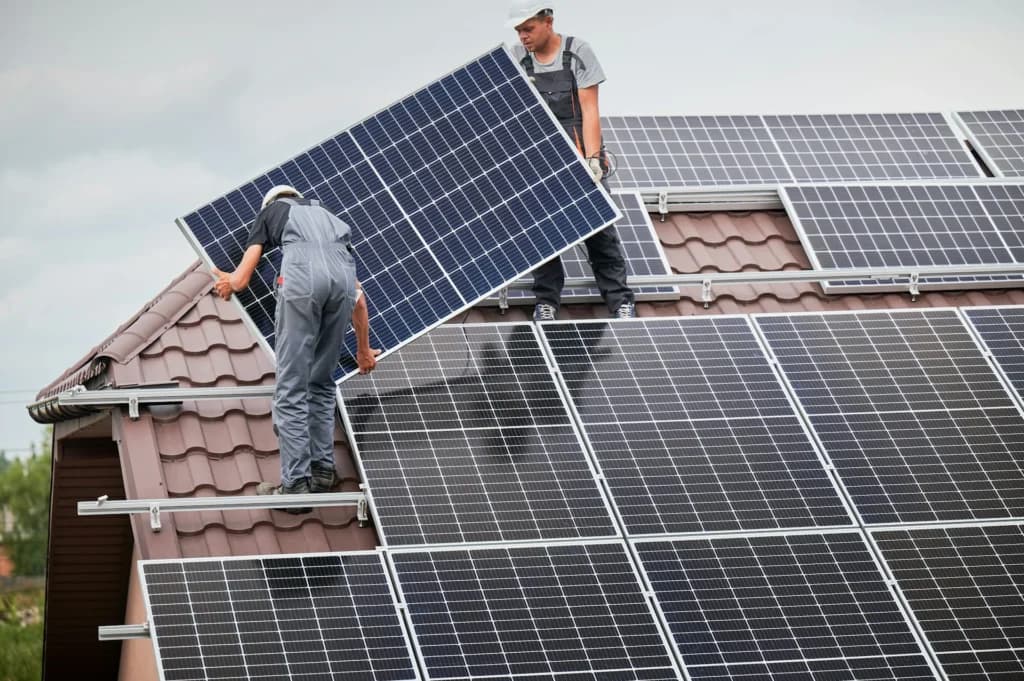
Nearly 45,000 solar PV plants with a capacity of 967 megawatts were added last year, supplemented by battery storage systems with a total capacity of 506 megawatt-hours. Households again dominated in terms of the number of new solar plants, accounting for the addition of installations with the highest capacity, at 429 megawatts. More than 41,000 people installed their own panels on their roofs, with 84 percent also adding their own battery. The average size of these plants was 10.5 kilowatts.
However, installed capacity on family homes was half that of the previous year. According to the Solar Association’s director, interest was affected both by changes in available subsidies and by lower energy prices. This year will therefore be difficult for installation companies, Krčmář says. In his view, reputable companies in particular will face problems.
Subsidies helped spur business interest
By contrast, more companies began building their own energy sources. “In installed capacity, solar PV plants at businesses and large plants above one megawatt prevailed, with a combined capacity of 539 megawatts,” says Svatopluk Vnouček, a member of the board of the Czech Association of Regulated Electricity Companies (ČSRES).
This represents a substantial increase. In 2023, companies installed plants with a capacity of around 140 megawatts. New plants were built on production halls, warehouses, shopping centres and office buildings.
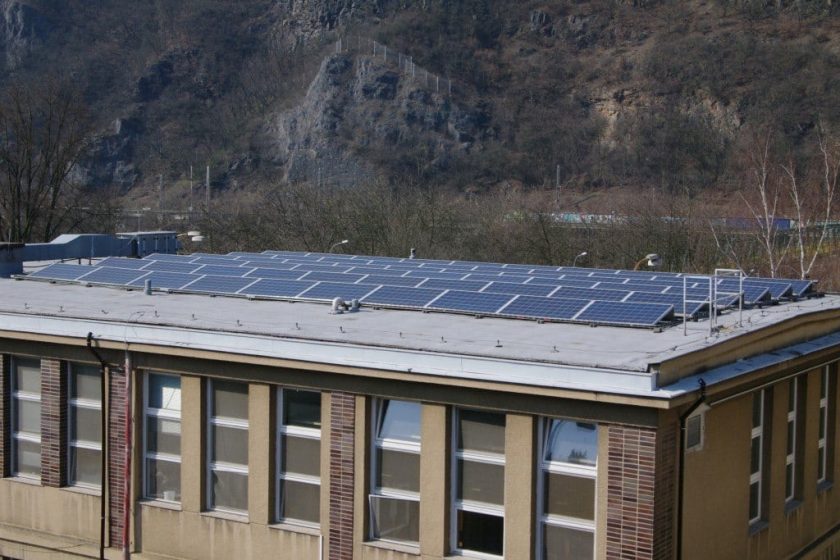
According to Krčmář, the increase was driven by completed projects financed by the National Recovery Plan. The first installations supported under the Modernisation Fund’s RES+ call also began to emerge.
Heat pumps were the second most frequently connected renewable energy source. More than 27,000 were added by the end of last year. Six new wind turbines and nine biogas plants were also built last year. In total, more than 44.6 thousand new energy sources were connected during the year.
Transmission and distribution system operators invested nearly CZK 40 billion last year in the renewal, modernisation and development of grids, as well as their digitalisation and management. “2024 was marked by continued interest in connecting new sources, a huge number of necessary system modifications and record investments,” Milan Hampl, chairman of the ČSRES board, said at a press conference.
One gigawatt of solar PV annually
At the end of last year, the government approved the National Energy and Climate Plan. It envisages increasing the share of renewable energy sources in consumption to 30 percent. Coal phase-out is planned no later than 2033.
“The scenario envisages a fivefold increase in energy from solar PV and wind power plants, an increasing rate of building renovations, which we are currently delivering primarily thanks to our most successful programme, New Green Savings, and the development of nuclear energy, Environment Minister Petr Hladík (KDU-ČSL) said previously.