How much did solar power plants cost in 2025?
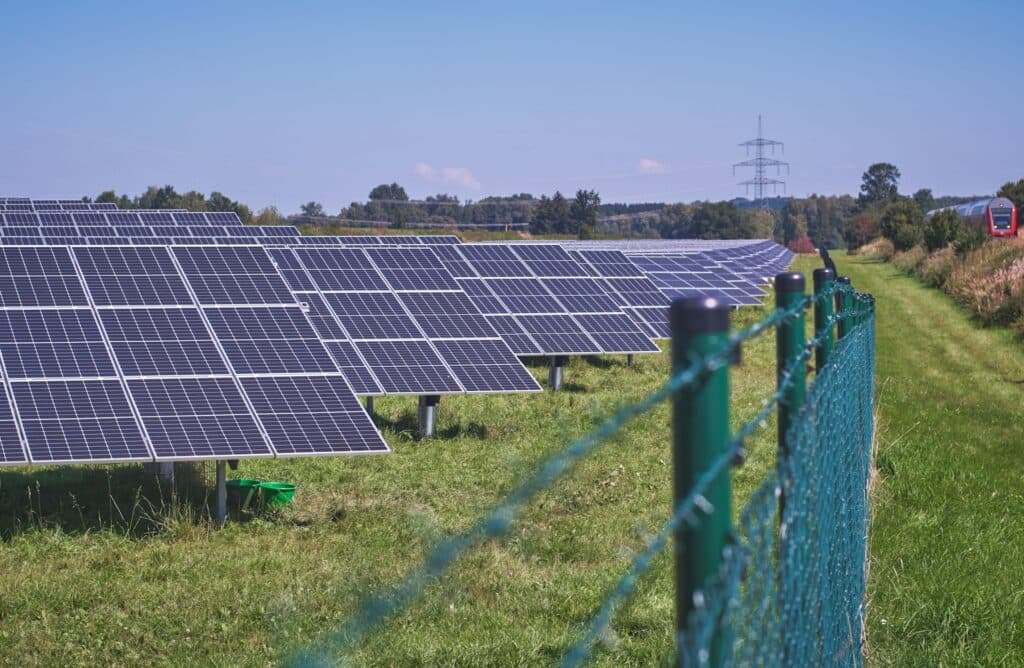
2025 confirmed solar power’s dominant position among renewable energy sources (RES). Solar power plants accounted for 72% of newly installed RES capacity, with 498 GW of new capacity added worldwide. China remained the biggest driver, bringing 333 GW online on its own. At the same time, photovoltaic panel prices continued to fall due to high manufacturing capacity, helping to further reduce the cost of electricity generation. In 2025, solar power remained the world’s cheapest source of new electricity generation, according to IRENA.
Technology trends and the rise of battery storage
The photovoltaic sector underwent significant technological development in 2025. Older PERC cell technology was largely replaced by the more advanced TOPCon technology, which now accounts for approximately 88% of new manufacturing capacity. Thanks to its higher efficiency and better performance, particularly in bifacial modules, TOPCon has become the new manufacturing standard.
Meanwhile, tandem cells combining silicon and perovskite continued to develop. The laboratory efficiency of these technologies has already exceeded 34%, confirming their significant potential to further improve photovoltaic performance.
One of the most significant trends in 2025 was the increasingly common pairing of solar power plants with battery energy storage systems (BESS). With battery system prices falling rapidly, investors can make better use of the electricity generated, limit the impact of generation surpluses and improve project economics.
By contrast, the segment of concentrated solar power (CSP) plants continued to stagnate. In 2025, China remained the only market where new projects with a total capacity of approximately 900 MW were commissioned.
Total investment costs
Falling technology prices had a significant impact on investment costs. The global average investment cost of solar power plants fell by a further 11% year on year to USD 747/kW.
China traditionally recorded the lowest figures, with investment costs averaging just USD 497/kW thanks to its extensive manufacturing capacity and integrated supply chains. In the United States, by contrast, costs reached approximately USD 1,371/kW, partly as a result of trade measures affecting imports of photovoltaic technologies.
Battery storage also saw a significant cost decline. The average investment cost of BESS fell by 21% year on year to USD 209/kWh of installed storage capacity.
Operating and maintenance costs
The operating and maintenance costs of solar power plants remain among the lowest of all electricity generation technologies over the long term. Thanks to relatively simple operations and limited maintenance requirements, solar power retains high operational efficiency, further strengthening its economic competitiveness.
The global weighted average capacity factor of solar power plants edged down to 16% in 2025. This was mainly due to the continued expansion of solar power into areas with lower solar irradiance and more frequent curtailment during periods of excess electricity supply on the grid.
Levelized cost of electricity (LCOE)
The LCOE (Levelized Cost of Electricity) represents the average cost of generating one megawatt-hour of electricity over a power plant’s entire lifetime. It includes investment, operation, maintenance and financing costs, allowing the economics of different technologies to be compared objectively.
Solar power retained its position as the most economically advantageous technology for new electricity generation. The global weighted average levelized cost of electricity (LCOE) fell by 14% year on year to a record low of USD 32/MWh.
China recorded the lowest costs, with new solar power plants generating electricity at an average of USD 21/MWh.
The growing competitiveness of hybrid projects combining solar power with battery storage was another significant development. In 2025, their average costs were approximately USD 32/MWh in China, USD 43/MWh in India and USD 66/MWh in the United States. Falling battery system prices are further improving the economic attractiveness of these projects and supporting the wider integration of solar power into electricity grids.
In the final instalment of the series, we will focus on traditional dispatchable renewable energy sources and technologies that could further shape the development of the global energy sector in the coming years.
Translation disclaimer
This article is a machine translation of the Czech original and has not yet been fully reviewed. In case of any doubt, please refer to the Czech version.