9 October 2026, 06:22
Loading...
How to tackle green discontent and help vulnerable people ensure the coal phase-out does not worsen their situation in Czechia
Ekonews.cz
27 May 2024, 10:24
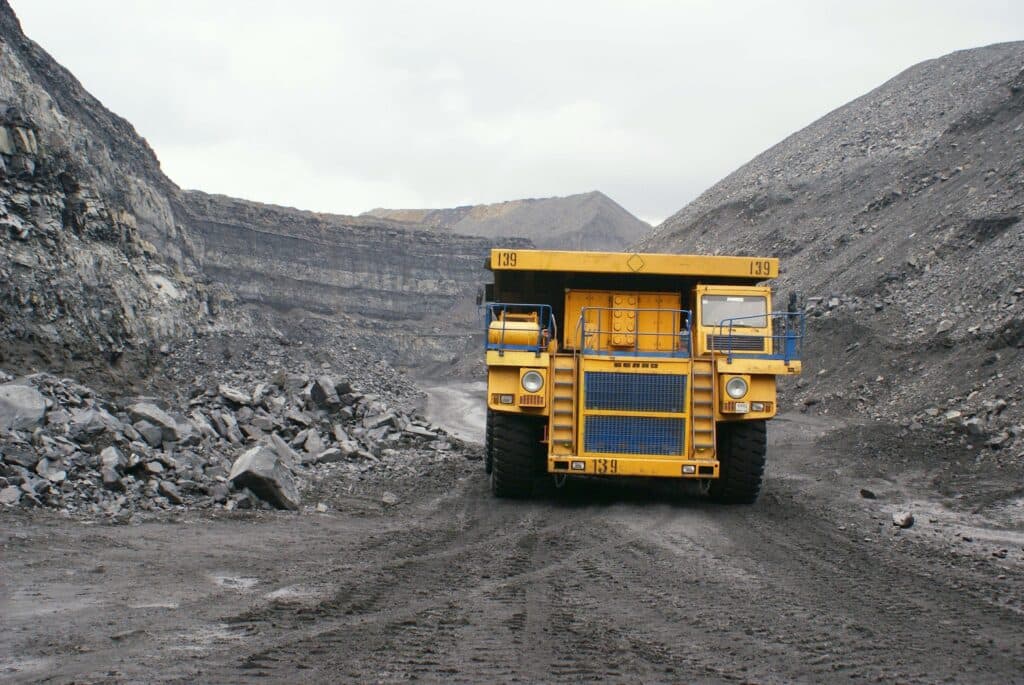
The transition to green energy may worsen the financial situation of the most vulnerable residents and push more people into energy poverty. A project by researchers at the University of Ostrava aims to answer the question of how to protect them from adverse consequences. The main tools include social energy discounts and, above all, reducing energy consumption in housing.
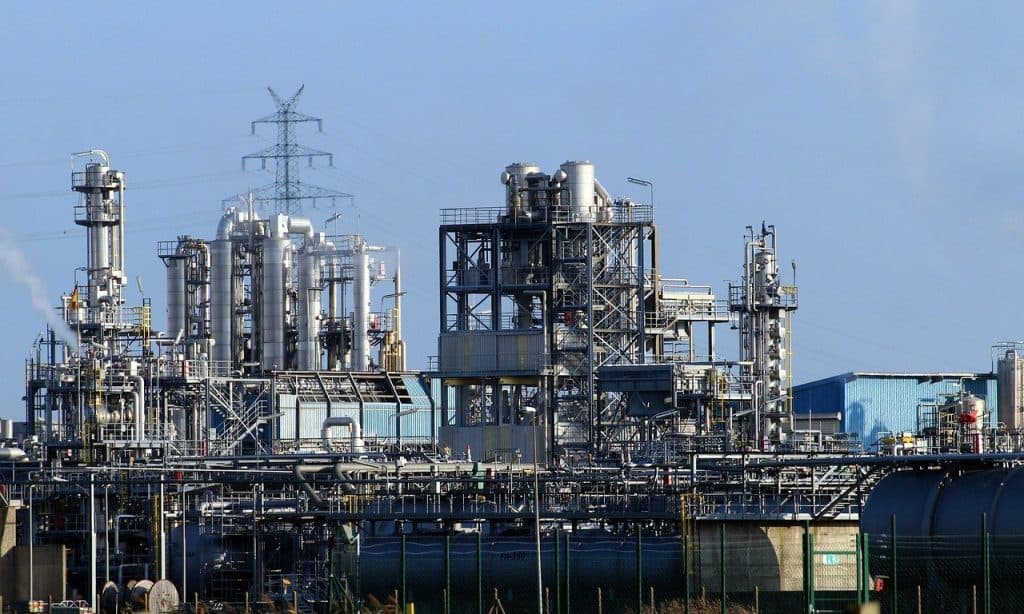
The Ostrava metropolitan area is among the largest producers of greenhouse gases in Czechia. The Moravian-Silesian Region has long suffered from poor air quality, although total emissions there have fallen by 93 percent since the 1990s. As a result, the region has higher mortality from circulatory-system diseases and cancer.
The transition to green energy, or transition, whose direct impact is improved air quality, can contribute to better physical health among the region's residents. “The costs of the transition to greener energy are borne most heavily by regions significantly dependent on fossil fuels. Combined with the socioeconomic situation in the Ostrava metropolitan area, the transition may encounter resistance from local people who refuse to bear these costs,” says Professor Soňa Kalenda Vávrová, guarantor of the doctoral programme in Social Work at the Faculty of Social Studies of the University of Ostrava.
Researchers at the University of Ostrava have therefore developed the STENEO project (Social Dimension of New Technologies in Energy in the Ostrava Metropolitan Area), which aims to increase regional resilience and preparedness for the energy transition. They plan to map the situation in a region with a high prevalence of energy poverty and strong dependence on coal, and propose solutions to help the most vulnerable population groups. They seek funding for the project from the Jan Amos Comenius Operational Programme.
Housing is the biggest problem
According to data from the European statistical office Eurostat for 2022, households accounted for around 26 percent of final electricity consumption and 32 percent of natural gas consumption. The future phase-out of fossil fuels may worsen housing affordability and thus reduce residents' resilience.
The share of residents spending more than a quarter of their income on housing is rising, which is considered a critical threshold that can lead to energy poverty. Rising expenditure then strengthens opposition to the energy transition as a whole and, paradoxically, even to measures aimed at supporting the poorest people.
The project's aim is to seek cost-saving models in housing and energy consumption. Based on the data collected, the researchers will propose possible solutions for the transition to cleaner energy, focusing their main efforts on preventing energy poverty and ensuring overall acceptability for residents.
The current energy transition strategy of the Moravian-Silesian Region mainly considers the technological dimension, but does not pay much attention to social impacts. The researchers therefore want to assess the overall situation of residents, especially those at risk of energy poverty – single mothers, seniors and families with children from “burdened” localities.
To prevent further social exclusion linked to the transition in the future, measures based on the real situation need to be adopted by central and local government. In addition to research, the scientists will assess investment opportunities and measures to support energy efficiency in housing, and propose model solutions.
Three ways to help
For an immediate solution, targeted price regulation, support for households in energy poverty through social energy discounts, or a housing allowance – which is still far from being used by everyone entitled to it – can help. The third key, longer-term tool is reducing energy consumption in housing.
“In the Netherlands, the level of regulated rent is calculated based on several factors, one of which is the energy performance of the building. If an owner wants to raise the rent, they can, for example, invest in energy efficiency. This is linked to subsidy programmes that owners of rental housing can draw on. The financial payback period for investments in insulation is around three to four years, and for photovoltaics seven to ten years,” says Vojtěch Bosák of the Department of Social Geography and Regional Development at the Faculty of Science of the University of Ostrava.
Buildings account for 21 percent of global greenhouse gas emissions and 36 percent within the EU. Up to 80 percent of energy in buildings is used for heating and water heating. Three-quarters of buildings in Europe are still energy-inefficient, while only 11 percent of the existing building stock undergoes renovation each year. Only one percent of these are renovations that reduce energy demand.
Energy accounts for up to half of costs
The economic potential for energy savings in flats, according to the Moravian-Silesian Region Territorial Energy Plan for 2020–2044, is around 40 percent and is influenced mainly by their age. However, because investments in improving energy efficiency increase rents, they may lead to the displacement of low-income tenants and reduced availability of rental housing.
The Moravian-Silesian Region has a high concentration of rental housing as well as energy poverty. At household level, energy accounts for more than half of housing costs. This share was even higher for low-income families.
Although the region ranked among the leaders in Czechia in drawing funding from the Green Savings and New Green Savings programmes, data also show that subsidies have so far mainly been used by middle- and higher-income people living in family houses. The investments therefore met the environmental goals of the transition, rather than its social purpose. The researchers therefore also want to focus on more effective targeting of investments based on the real needs of residents in rental housing.
Resistance to the transition looms
In addition to an unsustainable energy mix, Central and Eastern European countries are characterised by relatively low awareness of the energy transition and sometimes outright resistance to it. The situation is worst in regions with unequal living standards and a high number of residents at risk of poverty.
“The Ostrava metropolitan area does not look bad in terms of economic data, but this is not reflected in social and demographic developments. In a well-functioning regional economy, we would expect broad sections of the population to benefit from positive economic developments, which would be reflected in falling poverty and stabilised housing, or rather less displacement from housing. However, this is not happening, potentially strengthening resistance to the transition,” explains Ondřej Slach of the Department of Social Geography and Regional Development at the Faculty of Science of the University of Ostrava.
Although the transition to green energy has the potential to reduce inequalities, it may also deepen them. There are also indirect impacts, such as investment shifts, the departure of educated residents from the region and the loss of jobs linked to the extraction and energy use of fossil fuels. This is precisely why the transition is the subject of political disputes and social “resistance”.
Although the European Union has allocated funding to address negative impacts through the Just Transition Fund, little attention is paid to indirect consequences. The Ostrava metropolitan area is also currently facing deepening social and geographic polarisation. Research suggests that so-called “green discontent” may accelerate residents' overall frustration and pose a major problem for the region's future.
Energy poverty has expanded
Energy poverty occurs when energy bills represent a high percentage of household income, or when energy consumption must be reduced to such an extent that it negatively affects people's health and well-being. In the EU, energy poverty is concentrated particularly in Central and Eastern Europe, where it affects broad sections of the population. This is linked to outdated infrastructure and low incomes.
According to the results of a 2019 project by the Czech Technology Agency, the main causes of energy poverty include inefficient buildings and appliances, low household incomes and high energy costs. The Ústí nad Labem Region had the highest share of residents in energy poverty, followed by the Moravian-Silesian Region. Poverty, including energy poverty, affected largely families with children living in socially excluded localities.
In 2021, around 900,000 people in Czechia lived in energy poverty, representing 8.7 percent of the population, in around half a million households. Today, it most likely affects even more people. According to an estimate by Klusáček et al. (2023), up to 50 percent of Czech households lived in buildings with very high energy demand. Despite investments in heating and insulation between 2000 and 2019, Czechia still had one of the poorest levels of energy efficiency in residential buildings among countries of the Organisation for Economic Co-operation and Development.
Energy-efficient districts funded by public money
One possible solution is so-called Positive Energy Districts (PEDs), energy-efficient and flexible urban districts or groups of interconnected buildings that produce zero greenhouse gas emissions. PEDs are based on renewable energy sources, primarily solar energy, and are currently technically achievable thanks to smart systems for cooling, heating and electricity generation.
To create a self-sufficient system, it is essential to combine technologies with energy-saving measures and social innovation. Researcher João Pedro Gouveia and his teamdemonstrated in a historic district of Lisbon that a PED combined with energy-efficiency renovations and local solar energy generation can address energy poverty.
The European Commission also mentions PEDs as a measure that will contribute to achieving the European Green Deal target of reducing overall emissions by 55 percent by 2030 compared with 1990. The Urban Europe initiative aims to establish one hundred PED projects by 2025. The overwhelming majority of PEDs that also aim to provide affordable housing are therefore co-financed from public funds.
According to sociologists' data, the Czech adult population has a positive attitude towards protecting nature, the landscape and the climate, but has little awareness of EU policies focused on the transition. Czechs are even among the least active in the Union. As experience from the transformation of European coal regions shows, success requires strengthening environmental literacy, enabling people to better understand and benefit from the transition.
Awareness-raising and mapping motivations and behavioural patterns are therefore essential, and these are also the focus of part of the University of Ostrava project. The researchers plan to determine the level of environmental literacy and interest among primary school pupils and assess the behaviour of a sample of adults – parents of pupils and primary school staff. Using a questionnaire survey, they will also examine life satisfaction and stress levels among adults in the Ostrava metropolitan area coping with the impacts of the transition. If the project receives financial support, the team will begin work in the autumn of this year.
Republished from EkoNews.cz, a website covering business and sustainability.
Translation disclaimer
This article is a machine translation of the Czech original and has not yet been fully reviewed. In case of any doubt, please refer to the Czech version.
Sdílejte článek prostřednictvím:
You might also like
8 October 2026, 10:05