
17 October 2026, 13:09
Loading...
Interest in support for biomass plants was once again enormous in Germany, with existing plants dominating

Eduard Majling
28 June 2025, 12:27
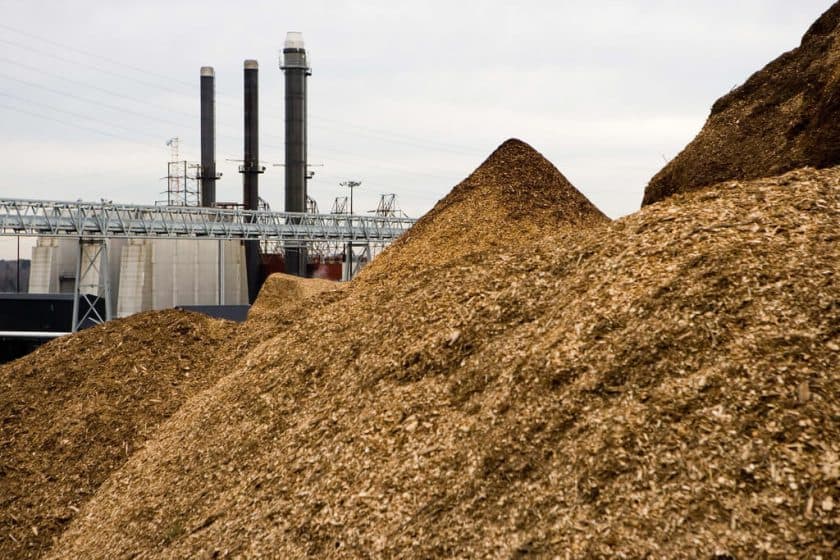
Germany held its first auction round this year for support for biomass-fired plants in early April. According to the country’s regulator, interest in the auction was once again very strong. However, existing plants continue to dominate the auctions, with new plants accounting for only a small fraction of the awarded capacity. The high cost of generating electricity from biomass is underscored by the awarded prices, which remain very high.
Germany has been holding auctions for several years to support plants generating electricity by burning biomass. Two rounds are planned for this year, with the first taking place in early April. Unlike auctions for other renewable energy sources, biomass auctions also allow existing plants to secure operating support. And this year’s first round brought no change: once again, existing plants dominated the auction, with only a few exceptions.
In the April auction, the German network regulator Bundesnetzagentur put a total of 187 MW of capacity up for bidding. According to the regulator, 685 bids were submitted, with a total installed capacity of 543 MW—almost three times the volume sought. New plants accounted for just 8 bids with a capacity of 5 MW; the remaining bids came from operators of existing plants. The regulator had to exclude 83 bids from the auction, however.
A total of 244 projects ultimately won in the auction, of which only two were for the construction of new plants, each with a capacity of 0.3 MW. As in previous rounds, existing plants secured operating support in this auction, meaning Germany cannot expect any sharp increase in electricity generation from biomass.
The awarded prices ranged from 123.4 to 171.9 EUR/MWh, with a weighted average of 165.3 EUR/MWh. Although this is down from the average of 173.3 EUR/MWh in the previous round, prices in the auction remain very high. Auctions are traditionally dominated by southern Germany, with Bavaria (64 MW) and Baden-Württemberg (32 MW); projects in the more northerly state of Lower Saxony (34 MW) also won.
Translation disclaimer
This article is a machine translation of the Czech original and has not yet been fully reviewed. In case of any doubt, please refer to the Czech version.
Sdílejte článek prostřednictvím:
You might also like




16 October 2026, 10:16