
17 October 2026, 13:09
Loading...
Solar installations in the US fell after Donald Trump took office

Eduard Majling
18 March 2026, 10:58
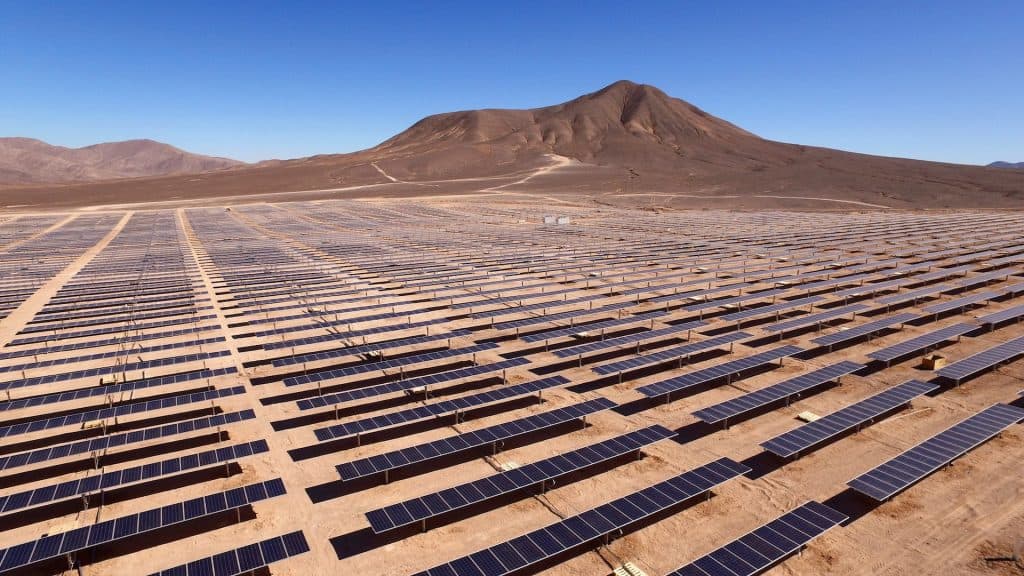
The renewable energy sector in the United States continues to grow, but its development has slowed since Donald Trump took office as president. According to data from the industry association, installations of new solar power plants in the US fell by 14% year on year last year. There was a positive development, however, in solar panel manufacturing capacity, which grew by half over the year.
US President Donald Trump, who returned to office at the beginning of last year, is known for his negative stance towards renewable energy. The passage of the One Big Beautiful Bill Act has therefore led to reduced support for new energy sources, particularly through cuts to tax incentives, which have traditionally been one of the main financial tools for supporting their development in the US.
In the short term, however, the law could temporarily speed up construction, as energy sources will still qualify for tax credits if construction begins by the start of this July. These sources must also be commissioned by the end of 2027.
The impact of the change in federal policy was evident last year, alongside the introduction of new import tariffs. According to a report by the Solar Energy Industries Association (SEIA) and Wood Mackenzie, newly commissioned solar capacity fell to 43.2 GW. In 2024, the figure was around 50 GW.
The steepest decline was in community solar installations, which fell by 25% year on year. The drop in residential installations was very slight, at just 2%. There was also a significant decline in large-scale solar farms, where capacity additions were down 16% compared with 2024. By contrast, the commercial sector grew by 6%.
"Solar and energy storage continue to dominate new capacity coming onto the grid, despite an unfavorable policy environment. American households and businesses of all sizes are interested in combining solar power with storage because it provides fast, affordable energy that helps meet rapidly growing demand,"said Darren Van’t Hof, interim president and CEO of SEIA.
According to Michelle Davis, head of solar at Wood Mackenzie, strong demand and rising costs for new gas-fired power plants are allowing solar power to remain competitive, even without tax incentives. Davis said solar will therefore continue to dominate among new sources of electricity, despite growing installed capacity at gas-fired power plants.
Installations fall, but manufacturing capacity grows
Not all areas of the US solar industry saw negative developments last year. In 2025, solar panel manufacturing capacity increased significantly, reaching 65.5 GW by the end of the year, a rise of more than 50% compared with the end of 2024. Last year, US manufacturing capacity for solar wafers also grew for the first time since 2016. According to SEIA, however, domestic component manufacturing still falls well short of demand in the US.
Translation disclaimer
This article is a machine translation of the Czech original and has not yet been fully reviewed. In case of any doubt, please refer to the Czech version.
Sdílejte článek prostřednictvím:
You might also like




16 October 2026, 10:16