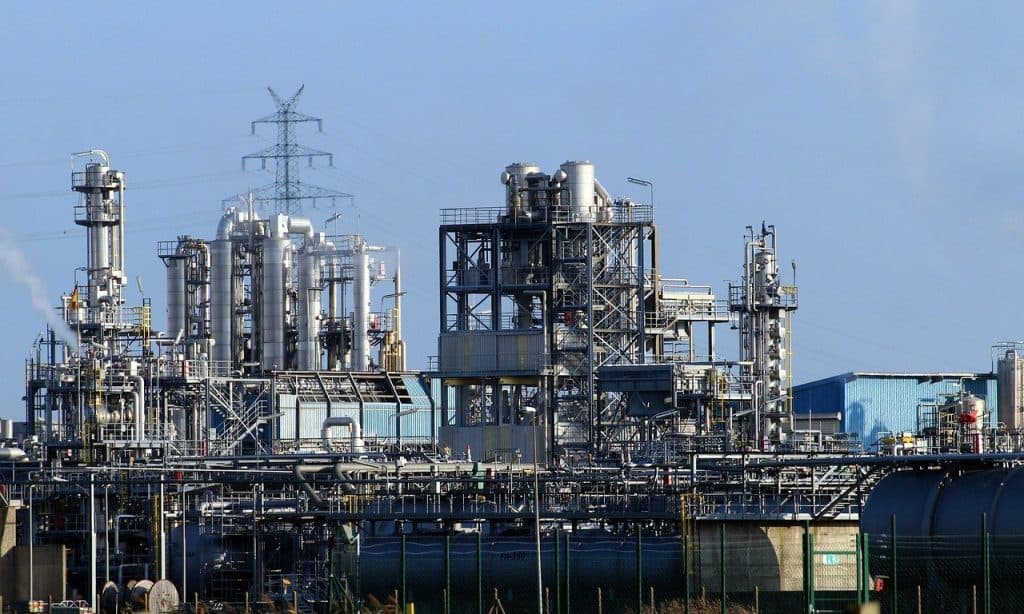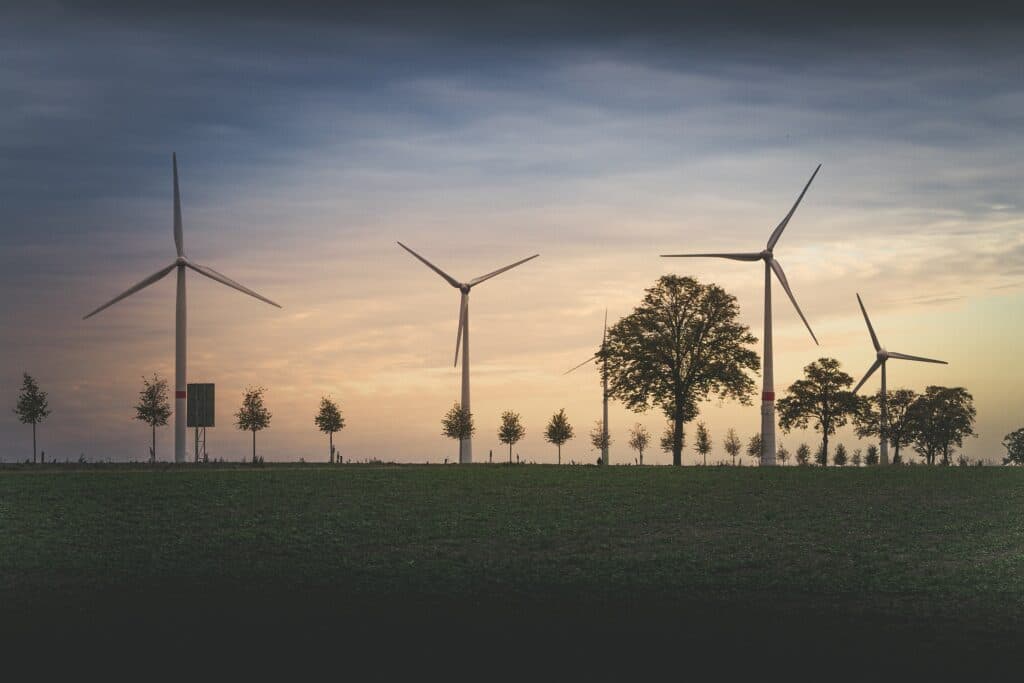
The town of Kalletal, with a population of 13,000, is among the most sustainable in Germany. Mayor Mario Hecker spoke to Ekonews at the Sustainable Future of Municipalities conference in June about its sustainability strategy. The town is currently negotiating with investors on an electrolyser project to produce green hydrogen.
The town, located in North Rhine-Westphalia near Bielefeld, approved its sustainability strategy back in 2021. It comprises five thematic areas and has 83 specific targets. “We have already ticked off most of them,” says Mario Hecker. He came to Prague for the Sustainable Future of Municipalities conference, which included the ceremonial announcement of the winners of the Green Municipality of the Year 2025 competition.
Which projects are you focusing on most at the moment?
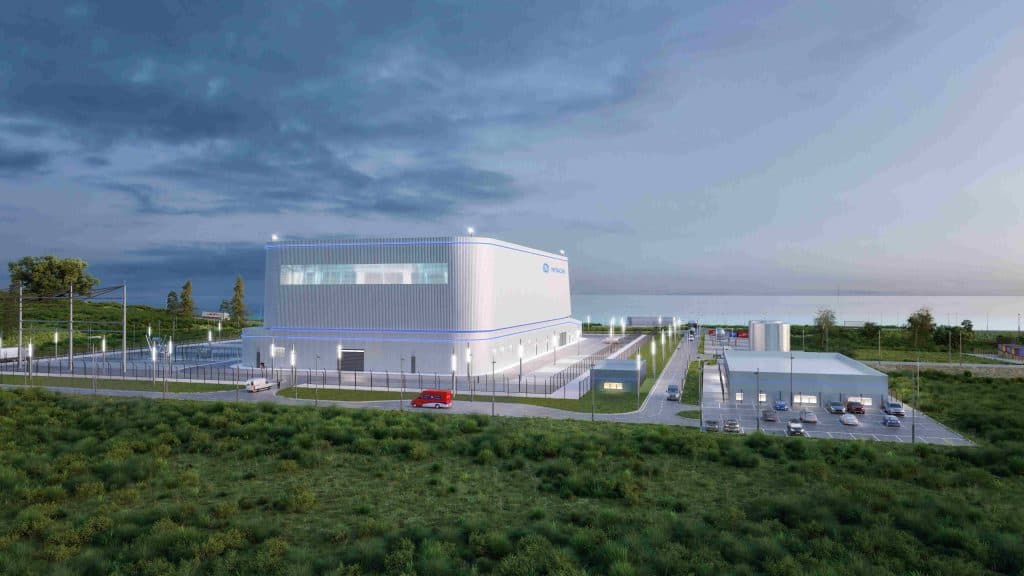
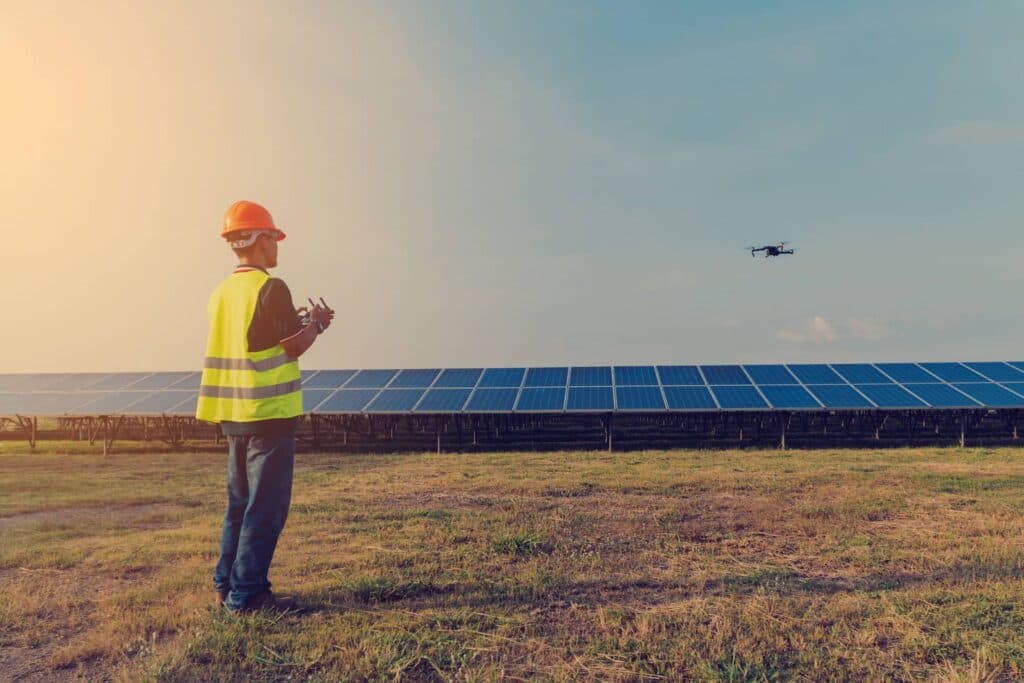
Today, we produce energy in Kalletal using wind turbines and photovoltaic panels, and we have a considerable surplus, so we currently feed it into the grid. In future, however, we want to use it to produce hydrogen. We are already in talks with two or three investors about building an electrolyser, and we have reached a preliminary agreement. We then want to use a €1.5 million grant to acquire a hydrogen filling station to fuel new hydrogen buses. Electrolysis also produces waste heat, which we would like to use for heating in the town. We currently heat with gas.
People sometimes protest against wind turbines. Was it similar in Kalletal?
Yes, there were major problems. Before I became mayor, I was head of the building department in our municipality. At the time, 78 applications were submitted to build turbines and residents were strongly opposed. We managed to win some of them over and convince them by giving them an opportunity to participate in the projects. In Westphalia, we have a new law stipulating that 0.20 cents from every kilowatt-hour must be paid to the municipality concerned, which must use these funds for something beneficial. We therefore won over some of them, but it was very demanding.
Has this made electricity cheaper for the municipality?
I have to say that so far, it is still a rather more expensive way of producing energy in Germany. This issue is being discussed a great deal now. The new federal government wants to regulate energy prices because of this, especially for industrial companies, because transmission charges are too high. That is also one reason why we want to produce hydrogen. We have experienced situations where the grid would not accept electricity because it was overloaded. So the turbines stood idle unnecessarily even though the wind was blowing. Electricity prices were negative and we would have had to pay to feed it into the grid. That would be counterproductive.
Once you start producing hydrogen, what share of output will you use for mobility and how much will you sell on?
Initially, we will use hydrogen purely for mobility; that will be a transitional period. Subsequently, we plan to sell around 60 to 70 percent of it to industry. There is a ThyssenKrupp steelworks in Essen that is interested in fully “greening” its production. They have committed to switching to environmentally friendly production and will take hydrogen from us. I assume it will be transported by trucks; it is about 200 kilometres away.
What other problems related to climate change are you addressing in the municipality?
Our second major project deals with flooding and torrential rain. We have started planting green hedgerows intended to retain water, which also benefits farmers. We are part of an association of sixteen municipalities and have drawn up a map covering 112 square kilometres. It shows where water usually flows during rainfall, with accuracy down to a square metre. We have also mapped soil erosion risks. It clearly shows that where there is greenery, erosion does not occur to the same extent. We are also creating protective embankments from soil.
The heatwave season is approaching. Is that also a concern for you?
We certainly feel the warming caused by climate change here as well. Seniors are particularly affected. In Kalletal, we have municipal places that serve as cooling centres, such as primary schools, where seniors can come in the afternoon. We also have a climate park with a pond, where it is cooler and people can take refuge.
Education is part of your strategy. How do you use it?
We have three primary schools in Kalletal, and each has its own concept. At one, we promote an approach under which we buy everything as “fair trade”, including school supplies. Children can also plant and harvest vegetables on the school grounds. At the second, health is the main theme. Pupils explore which foods contain sugar and how to avoid them, and we emphasise the importance of sport. The third school focuses on the nature park; pupils care for trees and nature. One class even has a bee colony and makes its own candles from wax.
But it is not just about nature; we also need to discuss the social dimension and give the younger generation a voice. That is why we have enabled young people aged ten to fifteen to participate in decision-making on the municipal council. Seniors are also represented on the advisory body.
What advice would you give to other mayors who are only at the beginning of similar efforts?
I approached it through the younger generation; children are the key to our future, and it is necessary to work with preschool children as well. It is also essential to build networks with other mayors; in this way, we have joined forces with the Erfurt district. An innovative approach is also important: stepping outside established ways of doing things. For example, I was inspired in November 2024 by the World Urban Forum conference in Cairo, Egypt. It was a powerful experience, where I learned from representatives from around the world how they are suffering from climate change and adapting to it. Mayors should seek to connect, including internationally. Then major projects can emerge. With our projects, we make sure they are as environmentally friendly as possible. Our experience is that banks are more willing to finance a project when its coefficient is higher.