Portugal builds 10MW farm to generate electricity from Atlantic waves

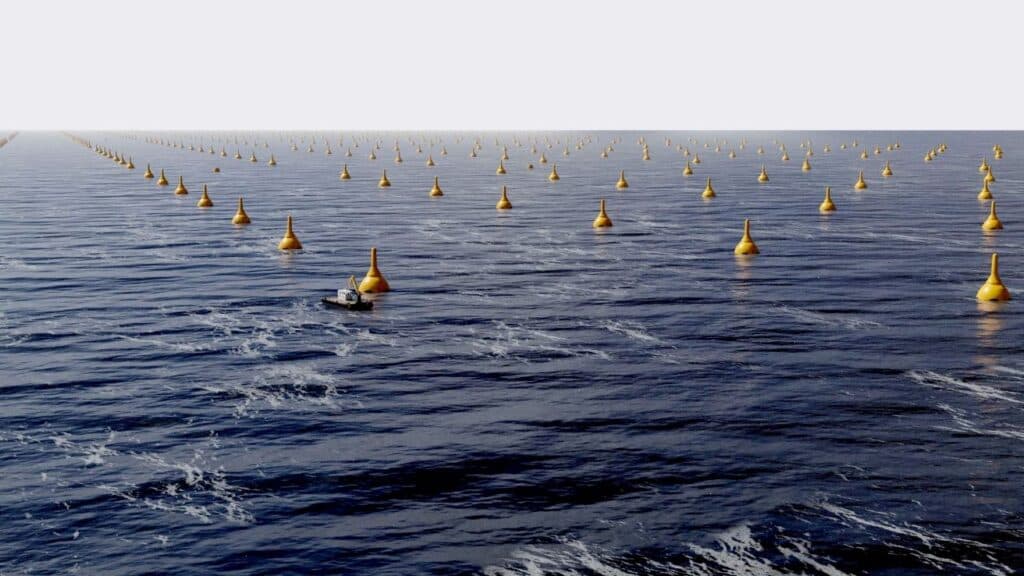
Portugal is one of Europe’s pioneers in harnessing marine energy. After early trials in the Azores and off the coast of Póvoa de Varzim, the country is now setting its sights on far more ambitious projects. The latest investment of 40 million euros from the EU Innovation Fund in the VianaWave wave farm brings Lisbon closer to its goal of generating more electricity from waves. Experts estimate that the Atlantic’s true potential could reach 15 GW, which could fundamentally change Portugal’s energy landscape. But first, a way must be found to make the technology commercially viable.
Hydropower plays a significant role in Portugal’s energy mix. The country generates around 30% of its electricity from it. In recent years, the country has also been striving to establish itself as a pioneer in technologies that enable electricity to be generated in ways other than traditional ones, including from ocean waves.
Portugal’s ambition to become a leader in renewable ocean energy has now received a major boost. Swedish company CorPower Ocean has secured EUR 40 million from the EU Innovation Fund to develop the VianaWave project. The 10 MW wave power farm will be installed off the northern coast.
This large-scale initiative represents one of Europe’s most significant investments in wave energy and a major step towards achieving the target in Portugal’s National Energy and Climate Plan of installing 200 MW of wave power capacity by 2030. VianaWave will consist of a CorPack system with 30 advanced wave energy converter (WEC) systems, which will generate approximately 30 GWh of electricity annually. By harnessing the constant movement of Atlantic waves, the farm will provide a stable source of energy.
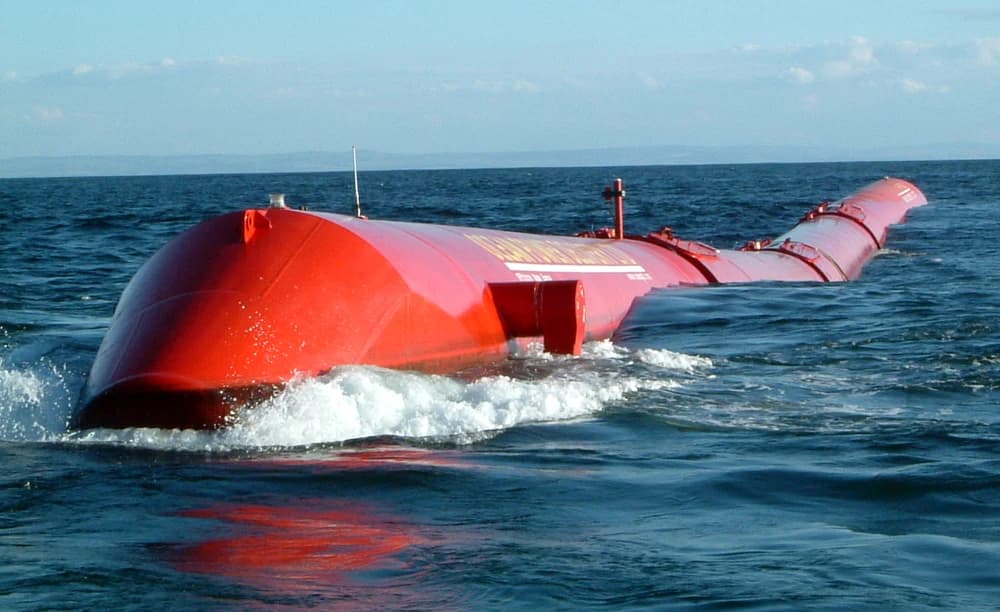
Portugal has a long tradition in this field. In 1999, the Pico Plant, the world’s first grid-connected wave power plant, with a capacity of 400 kW, began operating in the Azores. Another pioneering project followed in 2008, when the Aguçadoura Wave Farm was built with an installed capacity of 2.25 MW. It was the world’s first commercial wave farm, using Pelamis technology. However, it was shut down just months after launch because of financial difficulties. These experiences nevertheless laid a solid foundation for today’s generation of more advanced projects, which offer greater efficiency and reliability.
Portugal awaits the full harnessing of Atlantic energy
The VianaWave project, scheduled to begin operating between 2028 and 2029, builds on the success of CorPower’s HiWave-5 demonstration facility, which tested the company’s technology in real ocean conditions. The transition from a pilot programme to commercial-scale deployment is widely seen as a milestone for the wave energy sector.
The potential impact extends far beyond energy generation. According to the EU-funded EVOLVE study, Portugal has an estimated theoretical wave power potential of 15 GW. This is a vast untapped resource that could turn the country into a European leader in renewable ocean energy. The United Kingdom and Ireland also have enormous potential.
Globally, the installed capacity of wave and tidal power plants is still only around 60 MW, largely thanks to pilot projects in the United Kingdom, France, China and Canada. However, according to Ocean Energy Europe, capacity could reach as much as 350 GW by 2050 if governments continue their support and technological advances bring costs down.
The technology can complement the grid, but is not yet commercially viable
Compared with other renewable energy sources, wave energy offers unique advantages. It provides predictable power day and night, regardless of weather conditions, making it an ideal complement to variable sources such as solar and wind power. These are critical factors for Portugal, where wind and solar power account for around 37% of electricity generation, in addition to hydropower.
Alongside its technical and environmental benefits, the initiative highlights Portugal’s strategic position in the transition to renewable energy. The country’s Atlantic coast, supportive policy environment and growing network of clean technology innovators make it an attractive location for similar projects.
However, wave power development remains capital-intensive. According to the EU Blue Economy Report 2025, based in part on IRENA data (2019), the estimated LCOE (levelized cost of energy) for wave energy ranges from 160 to 750 €/MWh. For comparison, tidal projects have an LCOE ranging from 110 to 480 €/MWh.
Translation disclaimer
This article is a machine translation of the Czech original and has not yet been fully reviewed. In case of any doubt, please refer to the Czech version.




