Study: virtual power plants could ensure resource adequacy in the future and save billions

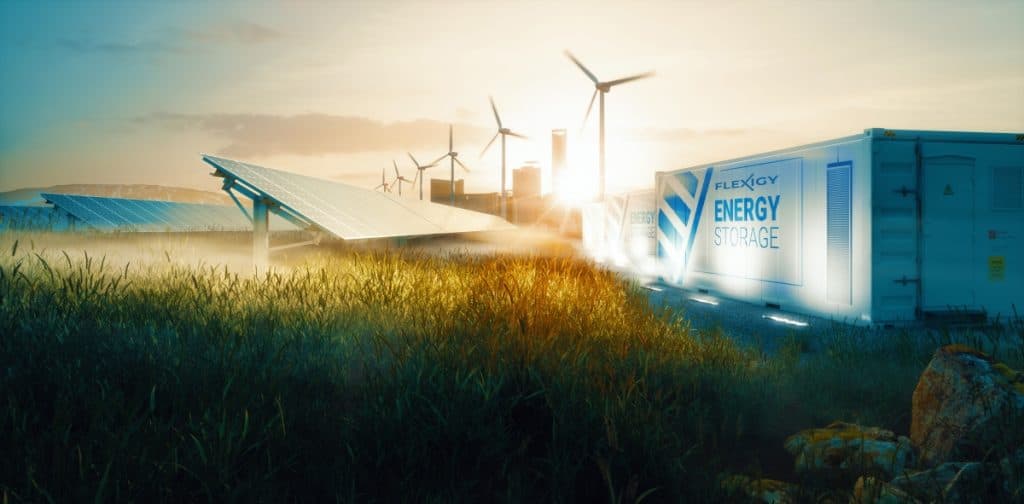
Including virtual power plants in resource adequacy plans could save energy companies billions in investments in new capacity. Virtual power plants could ensure resource adequacy at just 40% of the net cost of a gas plant designed to meet peak demand, or 60% of the net cost of a battery. This is the finding of a study prepared by US-based Brattle Group for Google.
The study, published in the middle of this year, examined the cost and ability of an emerging resource—virtual power plants—to meet electricity demand at times of critical need. These can be thought of as portfolios of distributed energy resources, including rooftop solar panels, smart meters, electric vehicles and distributed batteries. The principle behind virtual power plants is that the entire portfolio of resources is actively managed together by energy companies and energy service providers.
The study compares the net cost of securing 400 MW of capacity reserves from three types of resources: gas peaker plants, batteries connected to the transmission grid, and virtual power plants made up of technologies that enable flexibility in household demand.
Translation disclaimer
This article is a machine translation of the Czech original and has not yet been fully reviewed. In case of any doubt, please refer to the Czech version.
The article continues for subscribers
Premium content
The rest of this article is available to premium subscribers only. Get access to all premium articles on oEnergetice.cz.
You have read only 37% of the article — unlock the remaining 63% with a premium subscription.
Best value: annual subscription
Monthly option 4 € / month
3.25 €/ month