Europe's energy future: the world's largest energy hub is set to be built in the North Sea

European countries bordering the North Sea met in Germany to announce a major investment plan to support offshore wind power generation. Industry representatives welcomed the initiative, saying it could help address growing difficulties in securing investment for a sector considered the backbone of Europe's future energy system.
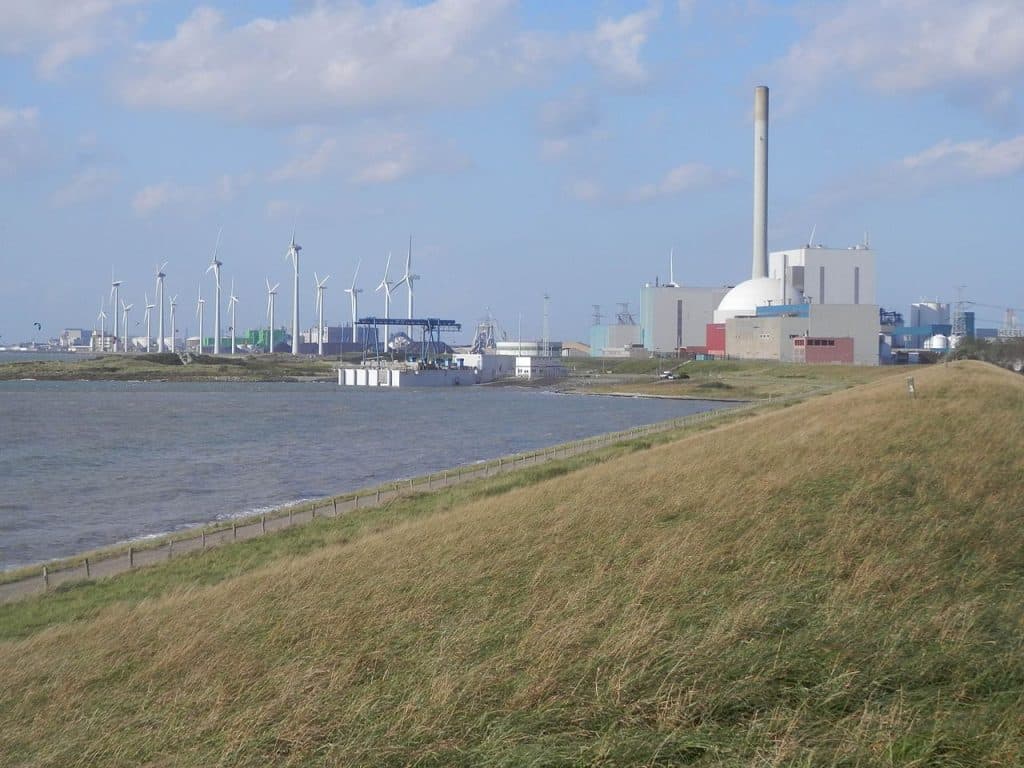
European countries bordering the North Sea unveiled an ambitious plan at the third North Sea Summit to build up to 300 GW of new offshore wind capacity by 2050, including interconnectors that will allow several countries to use electricity generated by the same wind farm and develop green hydrogen production offshore. The plan aims to add 15 GW of offshore wind capacity each year.
A comparison with current installed offshore wind capacity, which stood at 37 GW across Europe at the beginning of 2026, illustrates the scale of the project's ambitions. A recent Boston Consulting Group analysis found that North Sea countries would have to increase the pace of expansion sevenfold to meet the targets agreed at the 2023 summit, which call for installed capacity to reach 120 GW by 2030.
Industry representatives said expansion had slowed in recent years due to rising investment costs and auction models that create too much uncertainty for potential bidders. Government representatives from Germany, France, the United Kingdom, Luxembourg, Iceland, Norway, Belgium, Ireland, the Netherlands and Denmark, who attended the summit, agreed to mobilise up to one trillion euros between 2031 and 2040 to help the countries meet their commitments.
“Our goal is to build the world's largest energy hub,” German Energy Minister Katherina Reiche said, adding that Europe can now seize a major opportunity to attract capital as investors seek stable conditions amid growing geopolitical uncertainty.“Every offshore wind project that connects Europe makes us more resilient,” Reiche said.
The German minister stressed that the multilateral agreement would give Europe's offshore wind industry much-needed planning certainty, enabling it to invest in manufacturing infrastructure, port capacity and specialised vessels.
Responding to growing geopolitical risks
The first North Sea Summit was held in 2022 in response to Russia's invasion of Ukraine, as a forum for developing joint strategies to strengthen the resilience of Europe's energy sector. Four years later, threats to Europe's security remain acute as the war in Ukraine continues.
At the same time, recent statements about the possible seizure of Greenland, an autonomous territory belonging to the Kingdom of Denmark, have seriously undermined Europe's trust in the United States under President Donald Trump as an ally. European governments have responded by stepping up cooperation in strategic areas, including energy.
European Union Energy Commissioner Dan Jørgensen said domestic renewable energy sources were the only way to become more independent and cut the hundreds of billions of euros EU countries spend every year on fossil fuel imports.
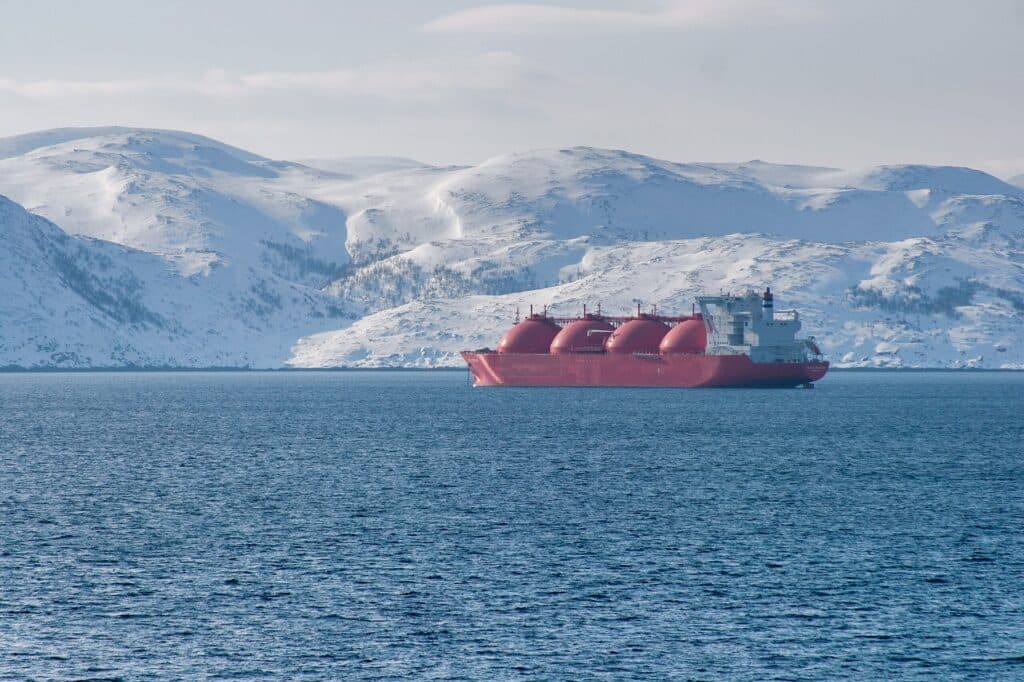
In light of current security challenges, Danish Commissioner Jørgensen said the question of Greenland was on everyone's mind at the summit. Europe's move away from Russian energy commodities in recent years has been accompanied by a rapidly growing dependence on LNG supplies from the United States. This underscores the need to take similar measures.
“At the moment, we need LNG from America. … In the long term, however, we want to get rid of our dependence on gas,” Jørgensen said, stressing that neither Denmark nor the EU is opposed to trade with the United States.
Translation disclaimer
This article is a machine translation of the Czech original and has not yet been fully reviewed. In case of any doubt, please refer to the Czech version.