From airborne turbines to 35 MW giants: how far did wind power advance in 2025?

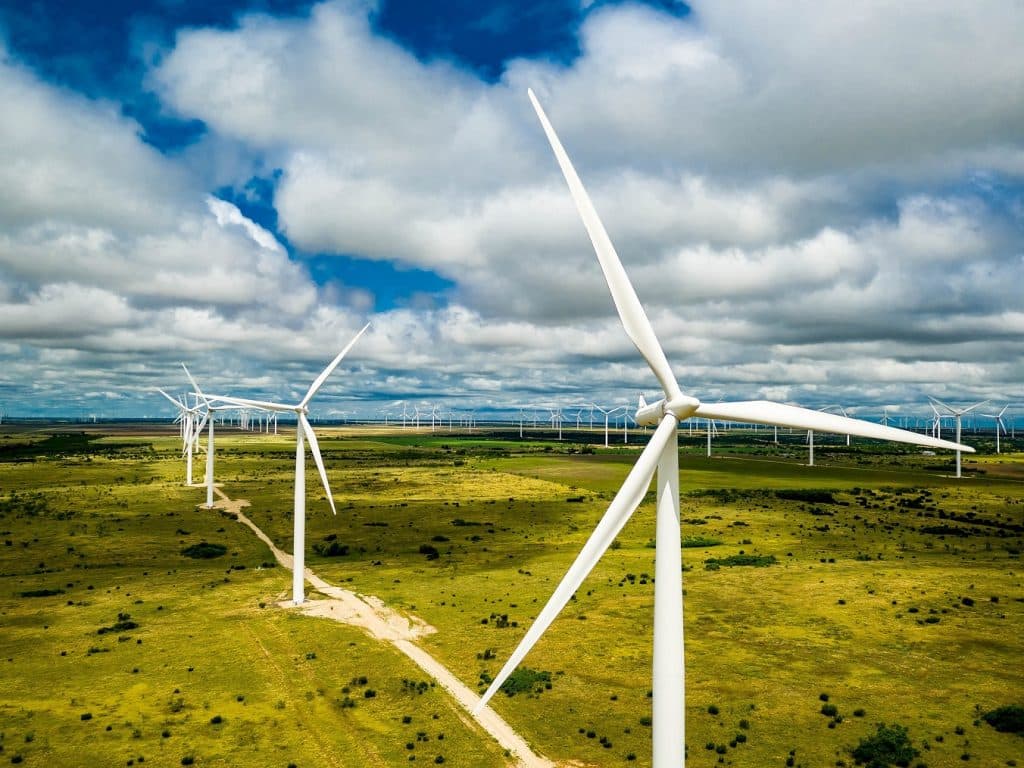
Like other energy sources, wind power is constantly evolving. Although the technology has boomed in recent years, installed capacity still falls significantly short of its theoretical potential. That potential is often defined under conditions that current technologies simply cannot handle, at least in terms of operating economics. But that could change in the future. The Interesting Engineering website has published an overview of the technological innovations of 2025 that could bring change.
While technology development in the sector focused primarily on turbine size and increasing capacity in previous decades, current research and development is increasingly focused on overcoming technical limitations—from sea depth and material constraints to precision control using data.
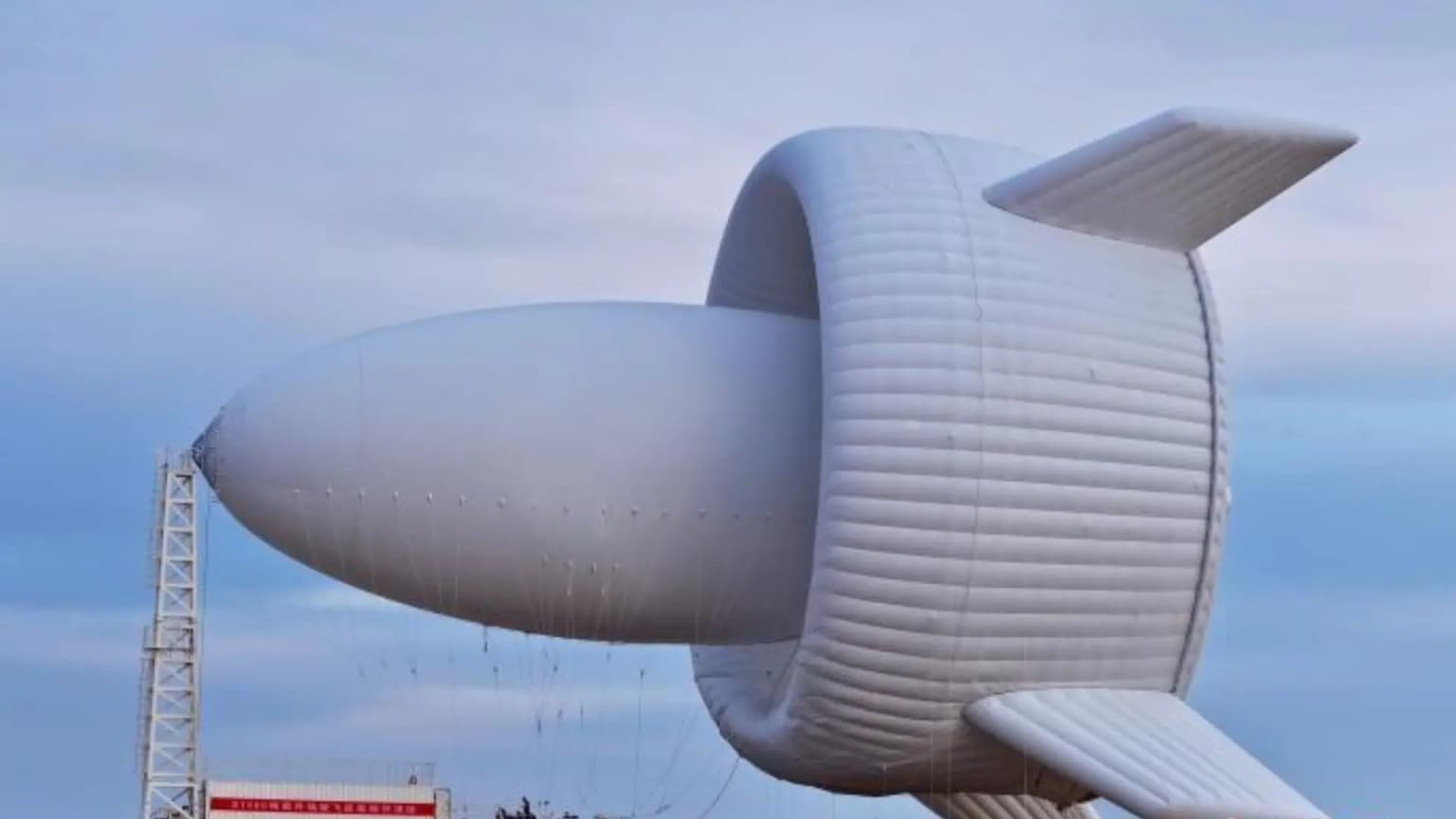
According to the authors, one of the boldest concepts in this trend is the development of so-called airborne wind power. China began testing prototypes last year, carrying out the first test of the S1500 floating wind “turbine.” The system is approximately 60 metres long and does not require a tower or deep foundations. Its design features an aerodynamically shaped body with a ring-shaped wing, inside which are twelve smaller turbine-generator units.
The electricity generated is then transmitted to the ground via an anchor cable. Thanks to this design, the developers say it saves around 40% on materials and reduces the cost of electricity generation by roughly 30%. Another key advantage of the concept is its mobility. The system can be deployed in deserts, on islands or at mining sites without the need for extensive infrastructure, meaning it could theoretically be “transported” from one location to another.
Microturbines and low-speed winds
Alongside testing of the technology described above, last year also saw the development of small wind turbines optimised for very low wind speeds. In the future, these could be of interest, for example, in industrial or urban areas. A German research team unveiled a microturbine that can start operating at wind speeds as low as 2.7 m/s. It reaches speeds of up to 450 rpm in a wind tunnel and delivers up to 2.5 kW at higher wind speeds.
A difference of just under one metre per second may seem negligible, but in practice it means a significantly longer operating period over the course of a year, especially in areas with average wind speeds of around 4–5 m/s, which is typical of many locations in Central Europe.
Efficiency is also aided by a key design feature: hollow composite blades. These are reportedly 35% lighter and flex in strong winds, limiting their own rotation speed and protecting the turbine from overload.
Ever-larger turbines and the search for alternative designs
Significant technological progress has also been evident over the past year in offshore wind power, both for turbines fixed to the seabed and floating turbines, which some companies see as a possible direction for the future. The greatest potential lies offshore, where the largest projects are being built.
Ambitious research in this field has been underway in recent years, particularly in China. For example, state-owned developer China Huaneng Group has issued a tender for a test site , designed to accommodate giant turbines with capacities of up to 35 MW. The first planned installation is a 26 MW turbine paired with a 5 MW / 10 MWh battery storage system. The project follows a recent record set by Dongfang Electric, which has already successfully installed a 26 MW turbine, surpassing the previous record held by manufacturers Siemens Gamesa and Mingyang.
The world’s largest floating offshore turbine, also from China, takes technical advances even further. It has a capacity of 16 MW and a rotor approximately 252 metres in diameter, sweeping an area equivalent to seven football pitches. Its expected annual output is around 44.7 GWh. The turbine is mounted on a semi-submersible platform with a dynamic ballast system that continuously stabilises the structure against wind and waves. Once testing is complete, it is to be deployed in waters deeper than 50 metres.
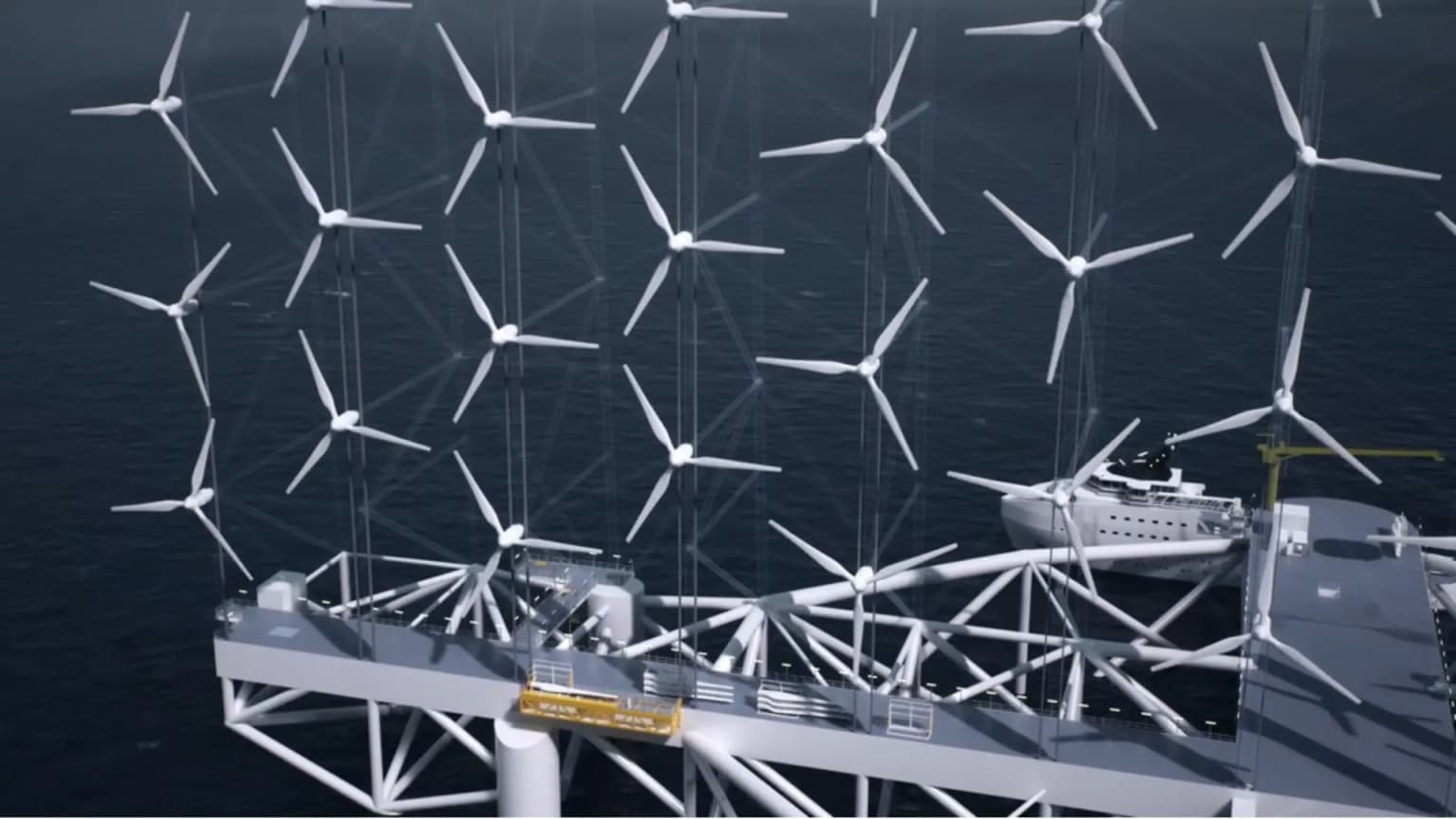
An alternative approach to offshore wind has also been presented by the Norwegian Wind Catching Systems concept, which replaces one giant turbine with an array of smaller units. The first demonstration project near Øygarden, close to Bergen, is to include 40 turbines rated at 1 MW each, for a total of 40 MW, with expected annual output of 99 GWh. The project has received around 107 million dollars in funding from the Enova agency and is designed around modularity, easier maintenance and greater operational resilience.
The manufacturer says its system could increase annual output by up to 60% and reduce mechanical stress by 80%. With noise levels below 38 dB and the option of installation without cranes, the turbines are also intended for building rooftops, industrial sites or local microgrids.
Not just design, but also advanced control
It is no surprise that artificial intelligence also features on the list of innovations. Although advanced models enabling flexible, predictive control have been used in the energy sector for some time, recent progress is opening up new possibilities here too. Wind turbines are not just rotors: they are equipped with countless sensors that collect vast amounts of real-time data, not only about the operation of the equipment itself but also about the external conditions around it.
The list therefore includes AI-controlled vertical microturbines from Italian startup GEVI Wind. These 3–5 kW turbines operate at wind speeds as low as 2.5 m/s and use artificial intelligence algorithms to adjust the blade settings every few milliseconds. This enables the turbine to continually adapt its configuration as closely as possible to current external conditions.
Translation disclaimer
This article is a machine translation of the Czech original and has not yet been fully reviewed. In case of any doubt, please refer to the Czech version.