Record to be set in October: Czech municipalities to vote on dozens of wind turbines

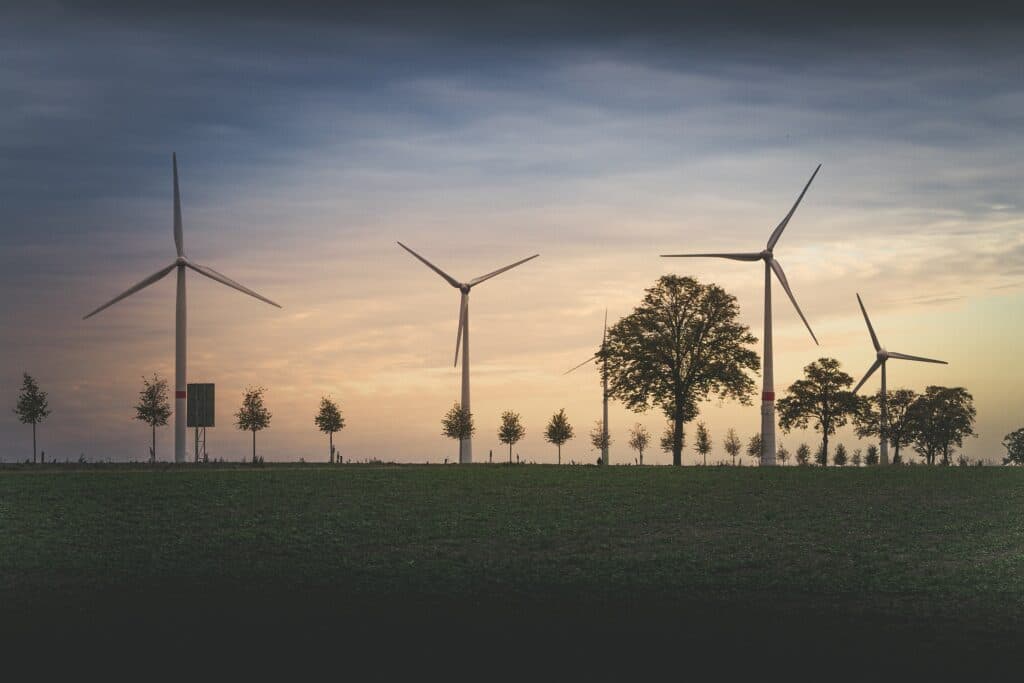
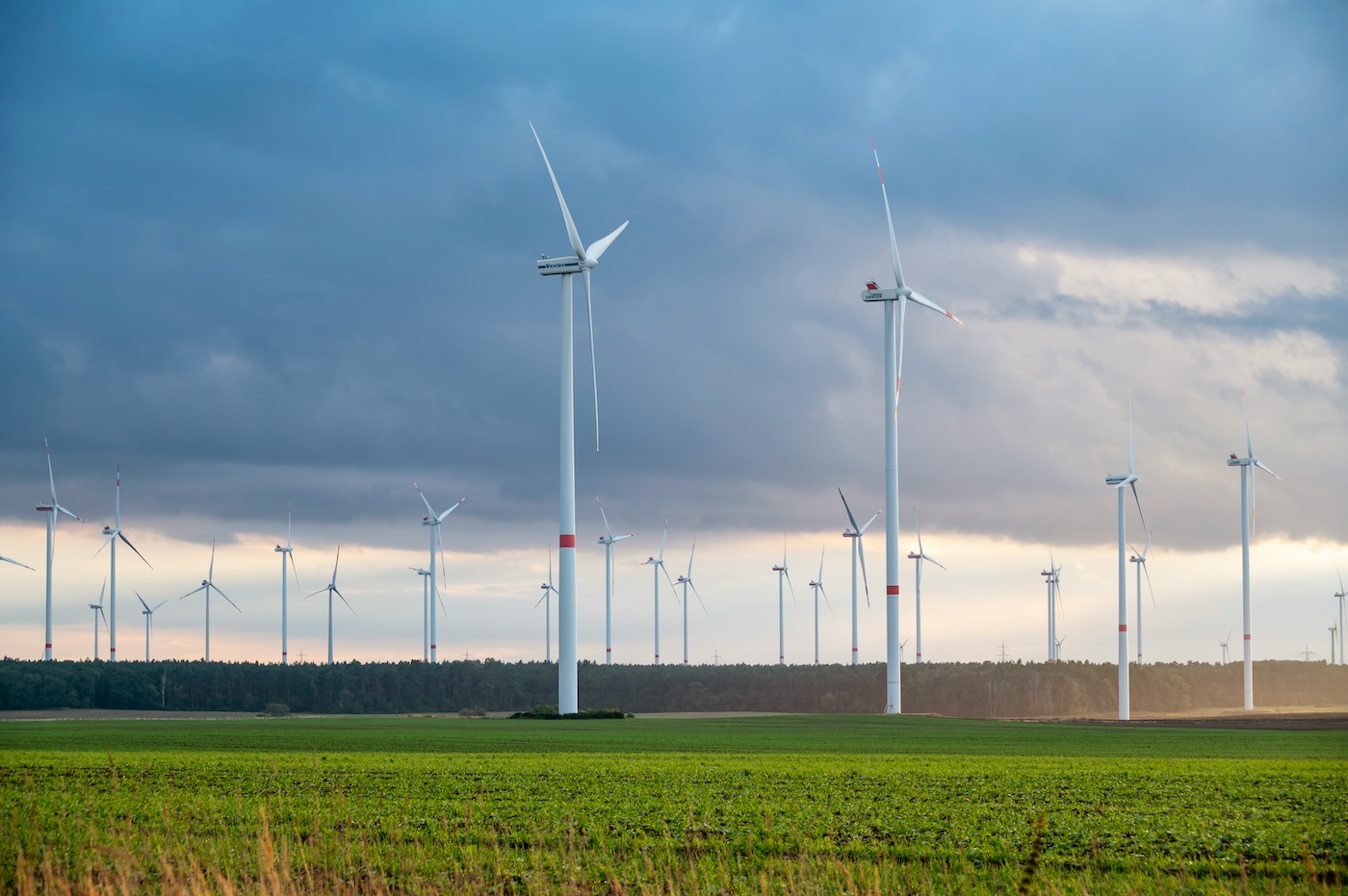
October’s elections will include 19 referendums on the construction of wind farms. The referendums, which will take place alongside municipal council elections on 9 and 10 October, will decide on up to 81 new turbines with a total capacity of 450 megawatts (MW). This would more than double existing wind capacity in Czechia and provide electricity for around 400.000 households. This is according to an analysis by the Modern Energy Union. Around 220 wind farms with a capacity of 380 MW are currently operating in the Czech Republic.
A total of 84 votes have been held in Czechia so far. Around a third of the municipalities that held referendums voted in favour of building wind farms. Interest in referendums on wind farms has grown significantly in recent years. While an average of one or two referendums were held annually in the Czech Republic between 2006 and 2022, 2026 is now a record year, with 30 votes. Together with the referendums currently planned, the total number of votes this year will exceed 100.
The largest number of referendums will now take place in the Central Bohemian Region. Residents will vote in the municipalities of Petrovice in the Rakovník District, Petroupim, Soběhrdy, Teplýšovice in the Benešov District, and Kačice in the Kladno District. Four votes are scheduled in the Svitavy District in the Pardubice Region, specifically in the municipalities of Dětřichov, Kamenná Horka, Mikuleč and Sklené. In the Moravian-Silesian Region, three municipalities in the Bruntál District will hold votes: Horní Benešov, Staré Heřminovy and Zátor. In the Plzeň Region, residents of Kralovice, Žihle in the Plzeň-North District, and Měčín in the Klatovy District will vote on wind farms. In the South Bohemian Region, referendums will be held in Radenín and Šebířov in the Tábor District. Votes will also be held in Cítoliby in the Louny District in the Ústí nad Labem Region and in Bystrá nad Jizerou in the Semily District in the Liberec Region.
Energy experts say that past experience has shown that timely and open communication about the actual impacts of projects is key to a referendum’s success. "Experience from municipalities confirms that open communication between the investor and residents from day one is the foundation of a successful referendum. People need precise information on the number and height of the turbines and what the project will bring to the municipality. If the investor offers a guaranteed annual contribution to the budget for investment and cheaper electricity, perceptions of the project change significantly," said energy expert Martin Ander of the Modern Energy Union.
For example, in Kačice in the Kladno District, public meetings were held, followed by an official survey in which the majority of those who took part voted in favour of construction, according to the municipality’s deputy mayor, Daniela Veselská. The municipal leadership signed an agreement with the investor and planning for the project began, but some residents launched a petition and called for a referendum. "Our municipal council agreed to this. Personally, I believe that wind farms can bring money to the municipality while also strengthening our energy self-sufficiency," the deputy mayor said.
Critics of the plans often cite residents’ concerns about noise, damage to the landscape or falling property prices. In debates and petitions, some local residents also frequently point to impacts on surrounding ecosystems, such as disturbing birds of prey or destroying protected ant hills.
The Modern Energy Union disagrees with these concerns. "Wind farms have been operating in the Czech Republic for more than 20 years, and their actual operation shows that it is possible to live alongside them without problems. We see this in the municipalities where wind farms are already operating. People there are not concerned about noise, concerns about harm to animal health have not been borne out, and the landscape has not been destroyed," Ander said.
Translation disclaimer
This article is a machine translation of the Czech original and has not yet been fully reviewed. In case of any doubt, please refer to the Czech version.