20 October 2026, 15:34
Loading...
CEZ, E.ON and PRE report a rise of tens of percent in EV charging in southern Czechia

oEnergetice.cz, ČTK
20 January 2025, 17:34

Energy companies CEZ, E.ON and Pražská energetika (PRE) recorded increases of tens of percent in electricity consumption for EV charging in South Bohemia, as well as in the number of charging sessions. Drivers are buying more and more electric cars, and the companies are building more charging points. Their focus is on building ultra-fast chargers. This is according to data from the energy companies.
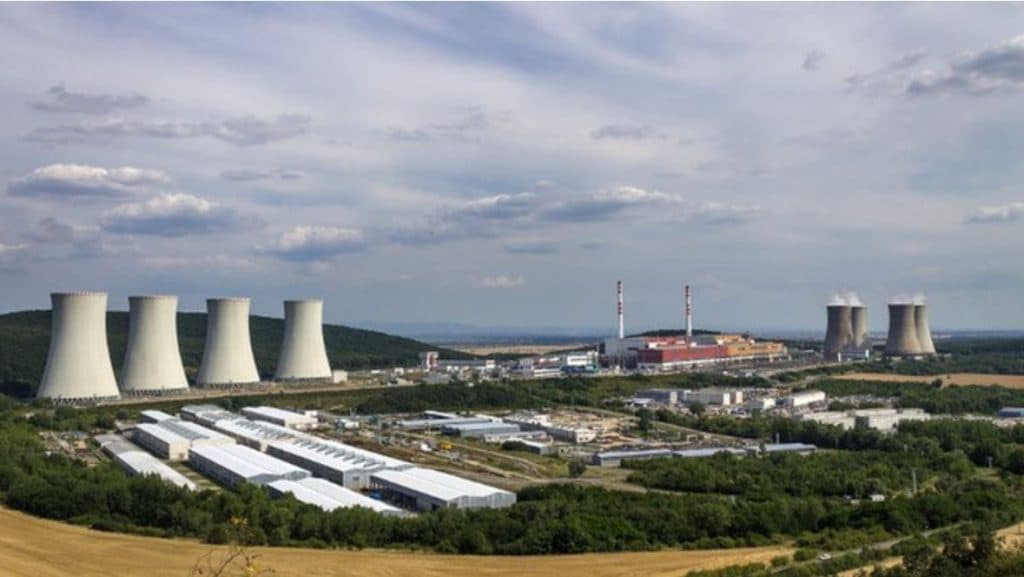
Last year, CEZ operated 43 EV charging points in South Bohemia, ten more than the year before. EV owners drew 349.962 kWh from them. That is 73 percent more than in 2023. The number of charging sessions also rose by 67 percent to more than 17.000. „Drivers in South Bohemia most often charge their cars in České Budějovice, Prachatice, Třeboň, Lipno, Písek and Strakonice,“ said Marek Sviták, spokesperson for the Temelín Nuclear Power Plant.
„Although the development of charging infrastructure in the Czech Republic continues to outpace the rate of new EV registrations, demand for shorter charging times is rising. Our response to this trend is to accelerate the construction of ultra-fast stations. This year's milestones will be increasing the network's capacity from the current 70 MW to 100 MW, raising the share of capacity provided by ultra-fast charging points to 45 percent and reaching the 1000-point threshold in the network,“ said Tomáš Dzurilla, director of CEZ's electromobility division.
Across the country, CEZ operates 842 charging points, 182 more than a year ago. Last year, drivers drew 9,6 GWh from them, 74 percent more year on year.
E.ON also expanded the number of charging stations in South Bohemia year on year, adding seven to reach 53 last year. Drivers drew 391.413 kWh from them, a year-on-year increase of 65 percent. The number of charging sessions also rose by 43,6 percent to 18.529, said company spokesperson Roman Šperňák.
Last autumn, E.ON opened a charging hub in České Budějovice next to the Globus hypermarket, where up to ten cars can charge simultaneously at five stations. Three stations have a capacity of 300 kW and two have a capacity of 50 kW. „When building new stations, we have focused—and will continue to focus—on ultra-fast charging and on developing charging hubs where we combine different types of charging to meet customers' needs,“ added Martin Klíma, managing director of E.ON Drive Infrastructure, which is responsible for managing and operating the public charging network.
Last year, E.ON expanded its charging network by 128 points at 28 locations. It now has 590 points at 210 locations in total. EV users consumed more than 3,6 GWh of energy at them over the year, 86 percent more year on year.
Last year, Pražská energetika (PRE) did not increase the number of its charging stations in South Bohemia, where it had 16. However, it recorded a 48 percent increase in electricity consumption to 194.000 kWh. „This year, we will focus mainly on upgrading existing locations and designing new ones. We plan to increase the capacity of two charging stations, specifically in České Budějovice and Sedlice, where it will rise from 75 kW to 150 kW,“ said company spokesperson Martin Houška.
PRE is the second-largest charging network operator in Czechia after CEZ. Last year, it brought 84 new public stations into operation, taking its network to 744 in total. The company said electricity consumption at its stations rose by 44 percent year on year to 7,57 GWh.
The number of registered EVs in Czechia rose by 64,7 percent last year to 10.933 cars. In addition to fully electric cars, tens of thousands of hybrid vehicles are on the country's roads. „There are already around 6000 public charging points in Czechia, placing the country 14th among European Union member states. That means there are approximately 5,2 battery electric vehicles per public charging point,“ said Lukáš Kadula of the Transport Research Centre.
Translation disclaimer
This article is a machine translation of the Czech original and has not yet been fully reviewed. In case of any doubt, please refer to the Czech version.
Sdílejte článek prostřednictvím:
You might also like
20 October 2026, 12:55
20 October 2026, 10:49
20 October 2026, 06:13