24 September 2026, 11:23
Loading...
Heat and electricity: Why heatwaves are changing the rules of European energy in Czechia
Vojtěch Kříž
11 August 2025, 14:58
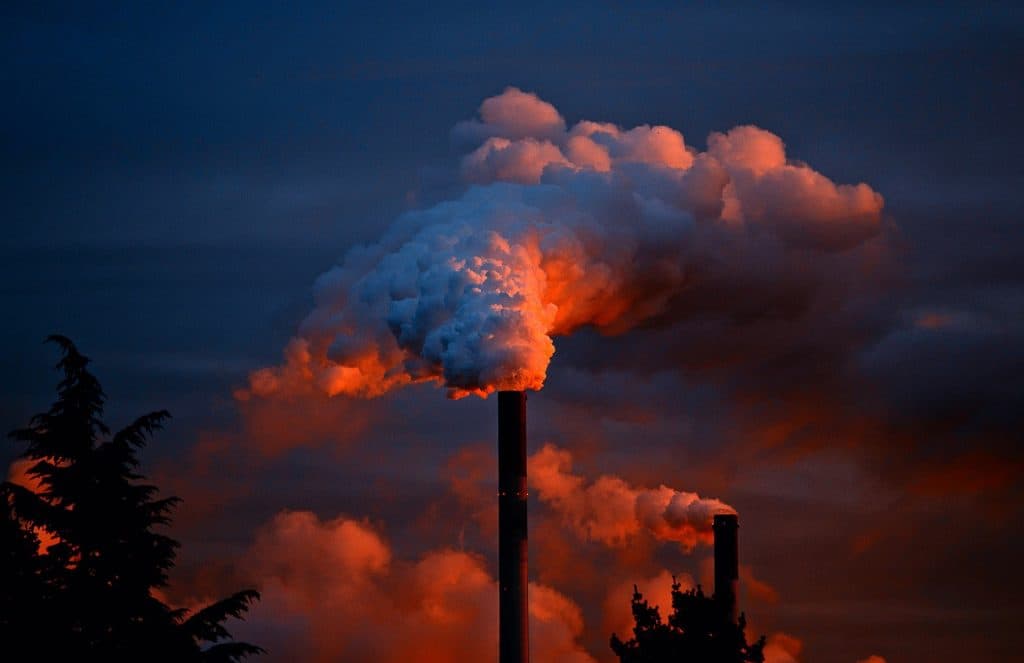
Europe’s energy system is coming under pressure from high temperatures even during these summer months. Rising temperatures are leading to increased use of air conditioning at a time when some power plants have to reduce or halt generation for safety reasons. The issue of electricity demand during extreme weather is crucial for the future, given the continuing trend of severe heatwaves, which can also threaten equipment.
Every summer in recent years, we have seen rising temperatures across Europe and, above all, longer-lasting heatwaves. This has implications not only for human health, but also for electricity consumption. Prolonged hot weather is prompting European citizens to adapt in the logical way: by purchasing and using air conditioning and other cooling equipment. This change is slowly beginning to disrupt the standard operation of Europe’s electricity grid.
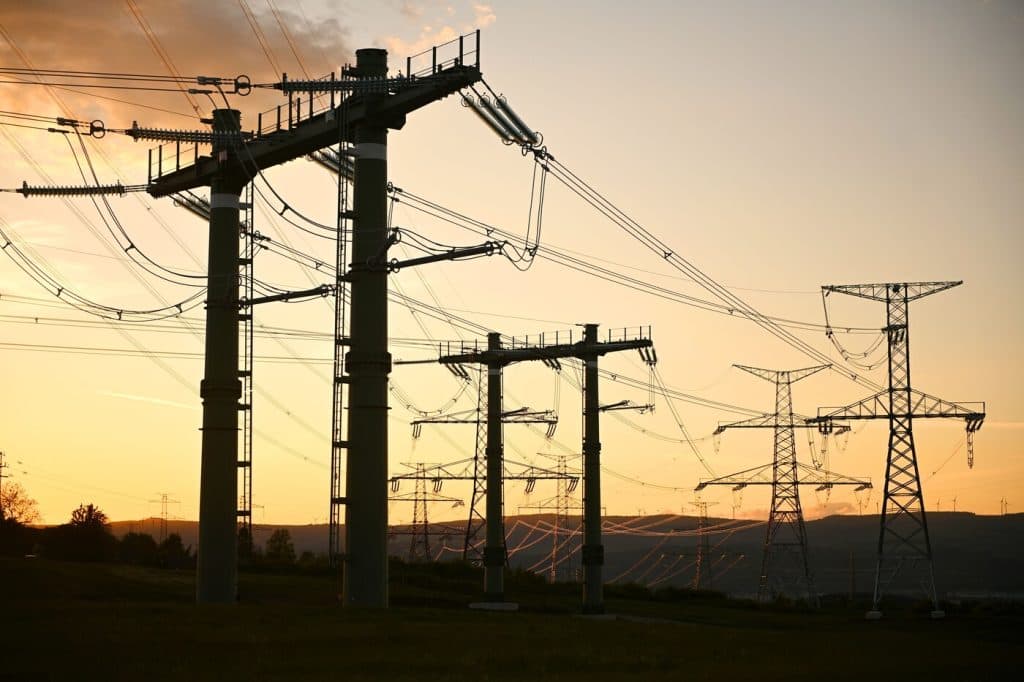
Normally, Europe expects peak electricity demand in winter. However, this is slowly beginning to change. Between 23 June and 3 July, when one of the heatwaves occurred, Europe-wide electricity demand rose by 7.5% year on year, according to the Financial Times. In Spain, it rose by as much as 16%, at the same time as some nuclear power plants had to reduce output or halt generation for safety reasons. Temperatures can also threaten grid equipment, which may overheat or be damaged by the heat.
Although solar power plants are preventing a massive rise in prices during the summer, we can already see occasional price “spikes” in electricity at night. To see what scenarios may look like with widespread adoption of air conditioning, one need only look at the United States, where a recent heatwave and the public response to it caused power outages and a massive increase in electricity prices.
Europe is warming faster than other continents, and it is now almost commonplace for each successive summer to break temperature records, at least in some part of the continent. It is therefore more than likely that more extreme weather events, including heatwaves, lie ahead.
What about Czechia?
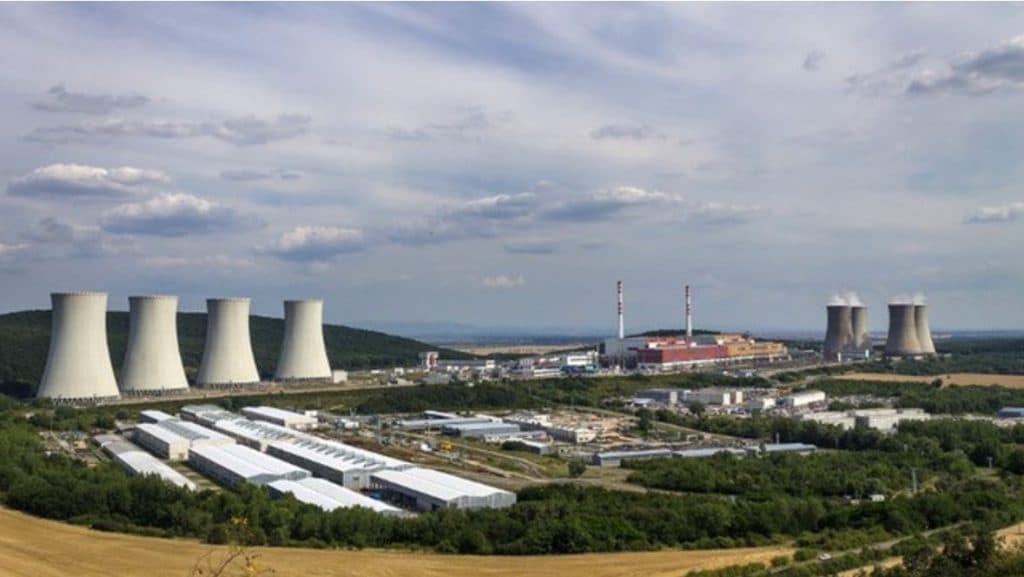
In Czechia, the current summer has so far been warmer than the average of recent years, although the devastating records seen in some other parts of Europe have not yet been broken. At the same time, the Czech electricity mix should be relatively protected against electricity shortages caused by heatwaves, thanks to the share of imports and the design of the country’s nuclear power plants. Even so, it is worth considering what implications growing summer demand will have for Czechia.
Czechs are also relative champions of air conditioning in the Central European context: according to the latest data, 16% of Czechs have air conditioning at home. By comparison, according to CNN, only 3% of Germans own air conditioning, while the Europe-wide figure is around 20% of the population. However, this figure has likely increased over the past two years. Current reports also mention health complications linked to excessive use of air conditioning. It is therefore possible that rising electricity demand in the summer months will begin to affect Czechia as well.
As climate change brings further warming, policymakers in Europe will have to consider how we can keep cool during heatwaves in a way that is compatible with our climate targets, comfort and electricity grid stability. There are many possible solutions, ranging from policy changes to future technologies such as demand-side response. Think tank Ember highlighted some of them at the start of the summer.
Translation disclaimer
This article is a machine translation of the Czech original and has not yet been fully reviewed. In case of any doubt, please refer to the Czech version.
Sdílejte článek prostřednictvím:
You might also like

24 September 2026, 10:30
24 September 2026, 06:56
23 September 2026, 17:27