
28 October 2026, 15:10
Loading...
German government opens door to previously banned carbon storage underground and beneath the seabed

David Vobořil
6 June 2024, 07:05
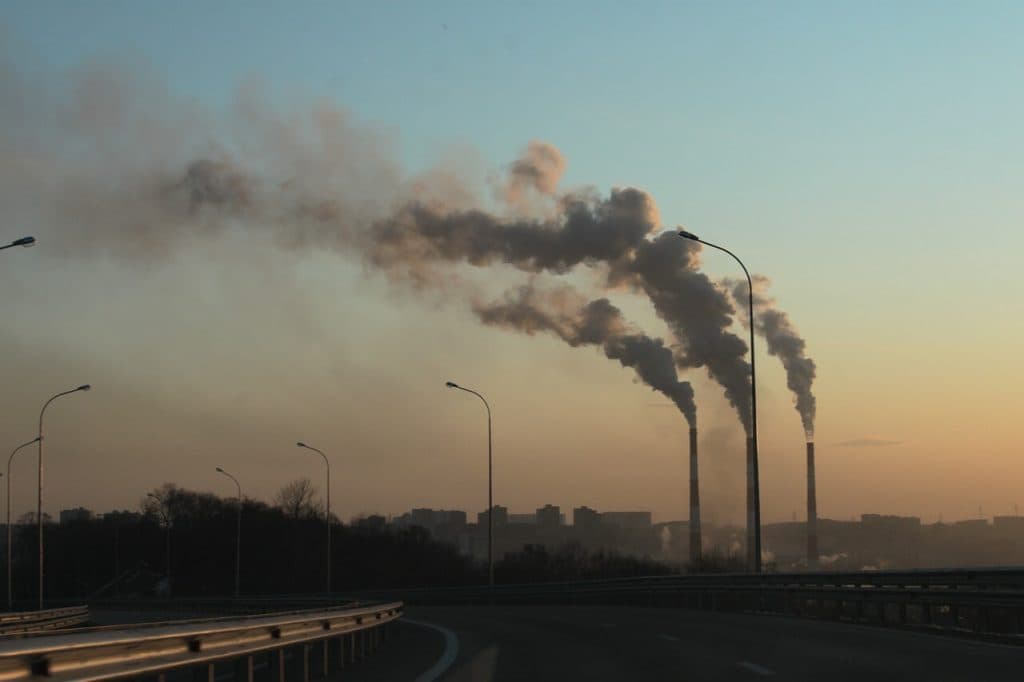
The German government has submitted a draft reform of the law that would end the current ban on storing carbon beneath the seabed and, if individual federal states choose to allow it, on land. The reform, which must now be considered by parliament, paves the way for Germany’s detailed strategy on managing carbon emissions.
The German government is paving the way for underground storage of carbon dioxide (CO₂), previously banned, in an effort to address greenhouse gas emissions that are difficult or impossible to eliminate on the path to decarbonisation. Carbon Capture and Storage (CCS) technologies capture CO₂ from the atmosphere or directly from emissions from power plants or industrial processes, and then store it underground. Carbon Capture and Usage (CCU), rather than storing CO₂, involves putting it to further use.
The reform of the law on carbon storage, approved last week, would allow CO₂ to be injected beneath the seabed. It would also allow individual federal states to decide whether to permit onshore storage within their territories. The draft reform must now be debated and approved by parliament, which could still lead to significant changes. The next step is for the German government to complete its detailed strategy for managing carbon emissions.
Germany has seen years of protests against CCS and CCU technologies, as environmentalists feared that coal-fired power plant operators would use them as an argument for extending the use of fossil fuels. Several environmental NGOs have criticised aspects of the plans, such as storing carbon beneath the seabed, which could threaten marine life.
"We will allow CO₂ storage offshore, explicitly excluding protected marine areas. With this authorisation, we are catching up with our European neighbours, such as Norway and many other countries. In doing so, we are shouldering the responsibility we have as Europe’s leading industrial country when it comes to addressing greenhouse gas emissions," said German Economy Minister Robert Habeck.
Onshore storage could also be permitted, but only if one of Germany’s federal states decides to allow it through its own legislation. In the past, the states have avoided even authorising trial storage sites, so it remains to be seen whether any government will take up this option. CO₂ storage on land for research purposes will be permitted nationwide, the government said.
"Based on feedback from the federal states, we have also included an opt-in clause for onshore CO₂ storage in the draft legislation. This allows individual federal states to permit CO₂ storage on land within their territory, in addition to offshore storage permitted under federal law," Habeck added.
Translation disclaimer
This article is a machine translation of the Czech original and has not yet been fully reviewed. In case of any doubt, please refer to the Czech version.
Sdílejte článek prostřednictvím:
You might also like

28 October 2026, 13:08

28 October 2026, 11:10

28 October 2026, 09:08
