25 September 2026, 09:51
Loading...
Industry, not energy, is the biggest problem, expert says on decarbonisation in Czechia

oEnergetice.cz, ČTK
23 September 2026, 12:31
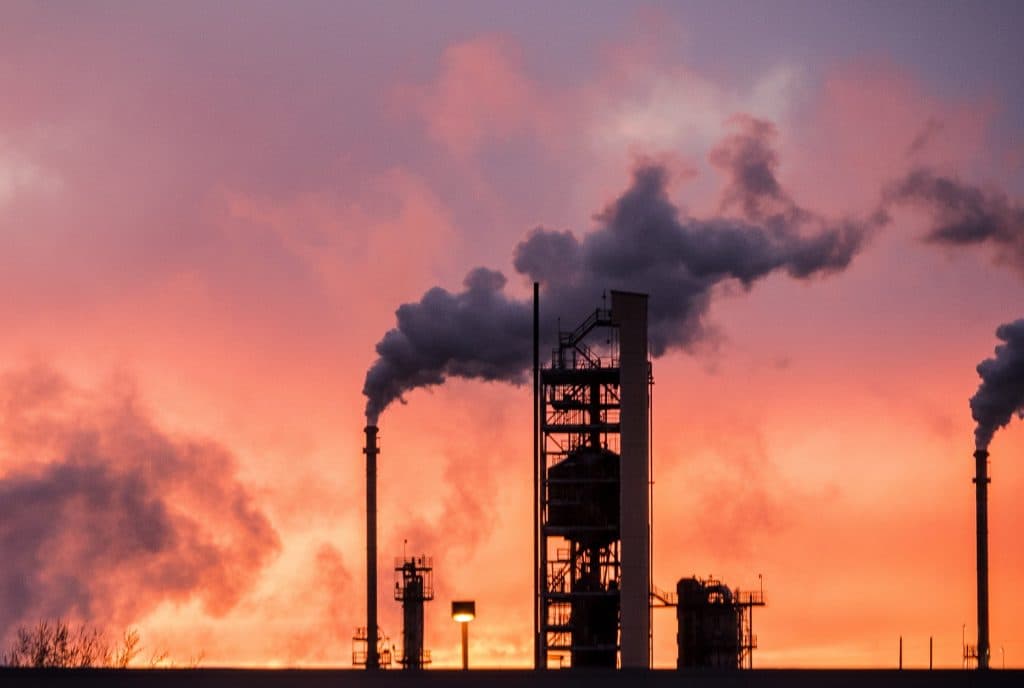
While the decarbonisation of both European and Czech energy sectors is possible, albeit costly and not within the set timelines, the decarbonisation of energy-intensive industry is an unsolvable problem. Michal Macenauer, strategy director at consultancy EGU, told the Czech News Agency (ČTK) at the Energy 2026 conference in Brno. In his view, the European Union will have to adapt its targets if energy-intensive industry in Europe is to survive and remain competitive.
The subtitle of the conference’s 30th edition is New realism in energy, referring to the need to reassess the approach to decarbonisation, or reducing greenhouse gas emissions. “The European Union has embarked on the transformation of the entire economy, not just the energy sector. This transformation is possible in the energy sector, although it is extremely expensive and unachievable at the set pace. However, energy-intensive industry, which uses high-priced natural gas and electricity, faces a serious existential problem. Decarbonising industry by 2050 is a complete myth. Certainly if we are to preserve the competitiveness of this industry,” Macenauer said.
He pointed out that, according to EGU, Czech companies pay roughly four times more for natural gas than their competitors in the US, and twice as much as companies in China, once all taxes, charges and support schemes are included. There is also a large difference in electricity prices, which are roughly twice as high in the European Union as in both the United States and China.
For energy-intensive sectors where no economically viable low-emission alternative exists, EGU recommends extending the transition period or postponing decarbonisation for longer; otherwise, companies will be more likely to relocate this production outside the EU.
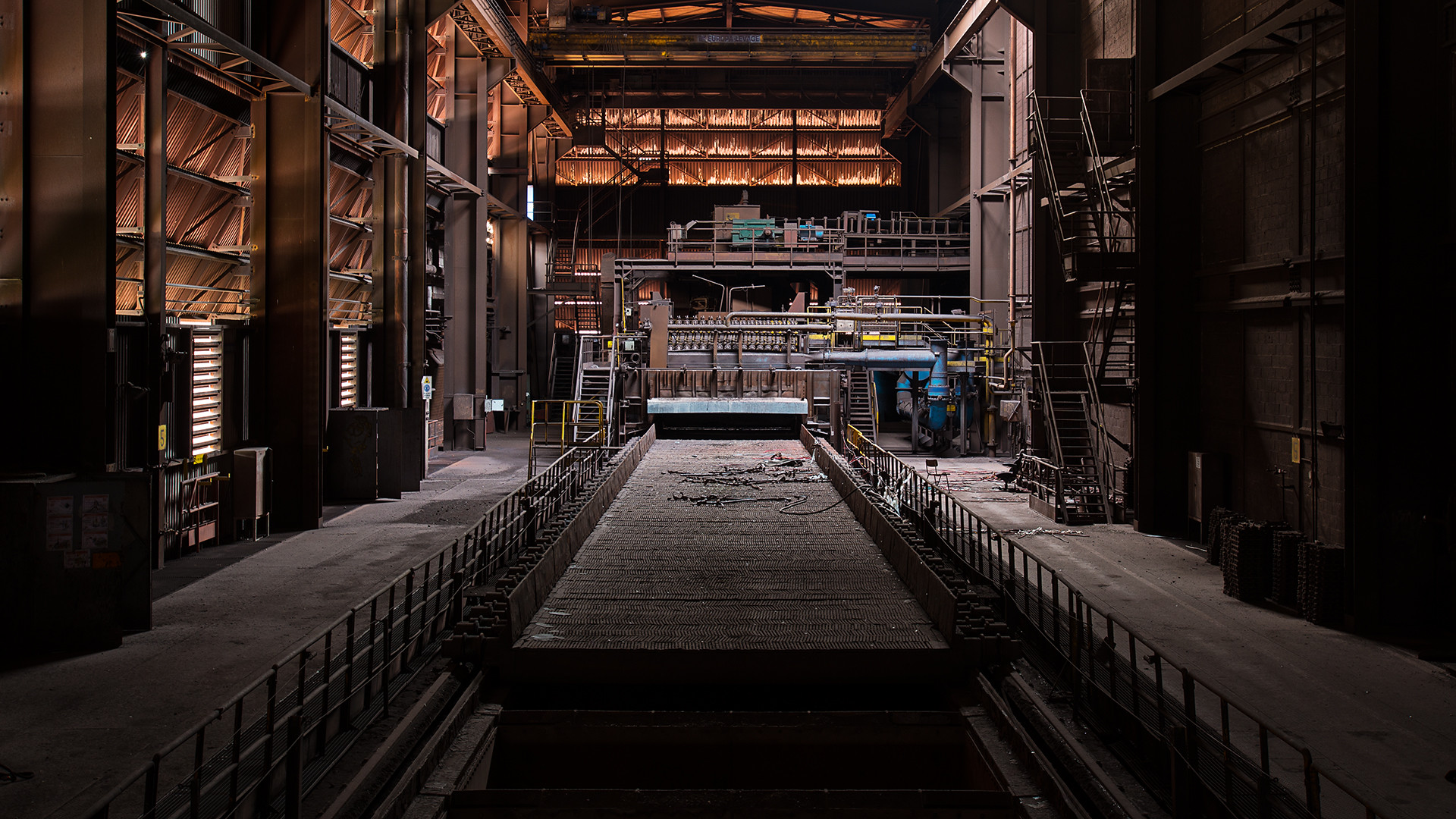
Sinter belts at a steelworks. Source: beeveephoto / Creative Commons / CC BY-SA 2.0
“It is necessary to realise that EU emissions account for only eight percent of global emissions. So even if we reduce emissions, the impact on the global situation will be significantly lower than if emissions are reduced outside the EU. I think it would be worthwhile to support decarbonisation outside the EU. Starting with the factories of European companies outside EU member states and extending the scope of the CBAM mechanism, which taxes emissions-intensive products. Its scope is currently very limited, but it is a way to put pressure on economies for which decarbonisation is of marginal interest,” Macenauer added.
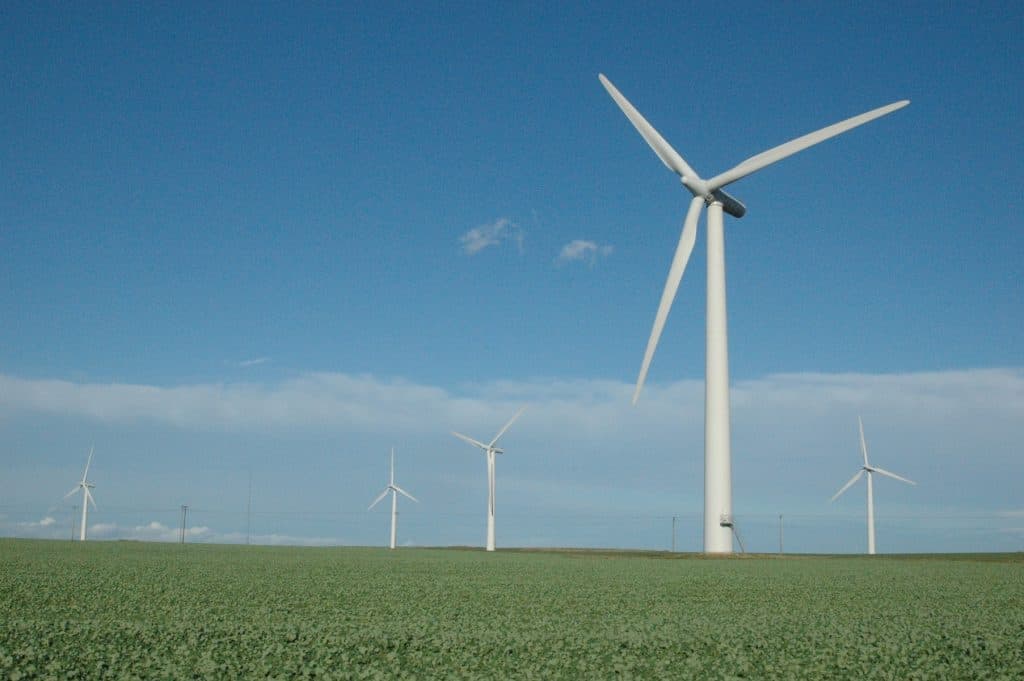
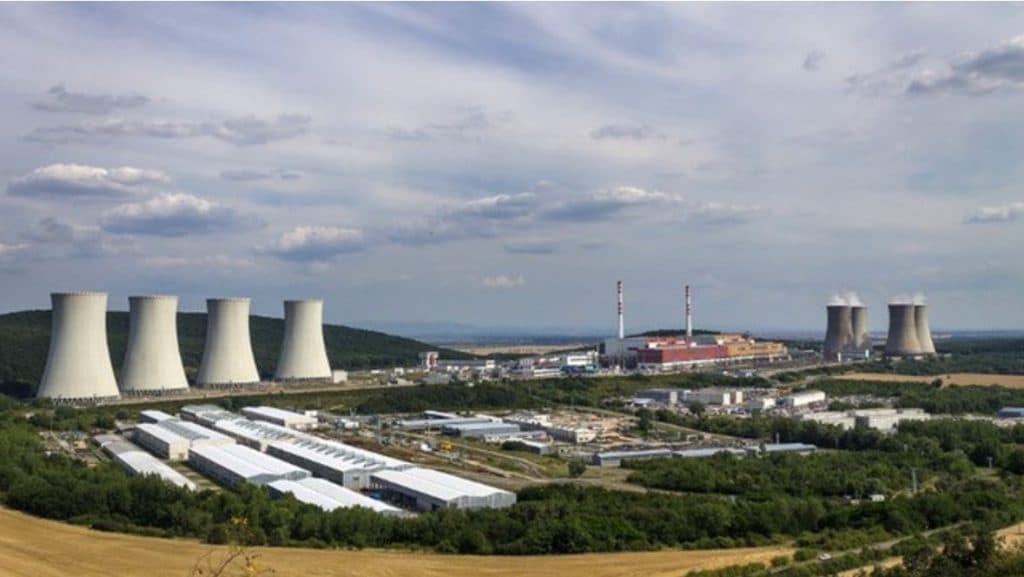
In the Czech energy sector, decarbonisation will be significantly affected by the construction of new units at the Dukovany nuclear power plant. EGU recommends a change of approach to renewable sources. Wind power, which produces more electricity than photovoltaics also in winter, when Czech consumption is at its highest, should be given considerably more scope. By contrast, according to Macenauer, the further massive development of small photovoltaic power plants connected to low-voltage grids is gradually delivering lower system benefits and increasing demands on the distribution network.
The transformation of the energy sector entails the necessary changes and investment in electricity grids. “The grid transformation associated with decarbonisation will increase distribution costs by a quarter to a third. This will either be paid by customers through the regulated component of the price, or covered by funds intended for greening. The second route is cheaper for the economy and more politically viable,” Macenauer said.
Translation disclaimer
This article is a machine translation of the Czech original and has not yet been fully reviewed. In case of any doubt, please refer to the Czech version.
Sdílejte článek prostřednictvím:
You might also like
24 September 2026, 11:23
24 September 2026, 10:30
24 September 2026, 06:56