17 November 2026, 16:42
Loading...
Japan's ammonia power plans are an inefficient decarbonization pathway, says BNEF

Jan Budín
7 October 2022, 07:30
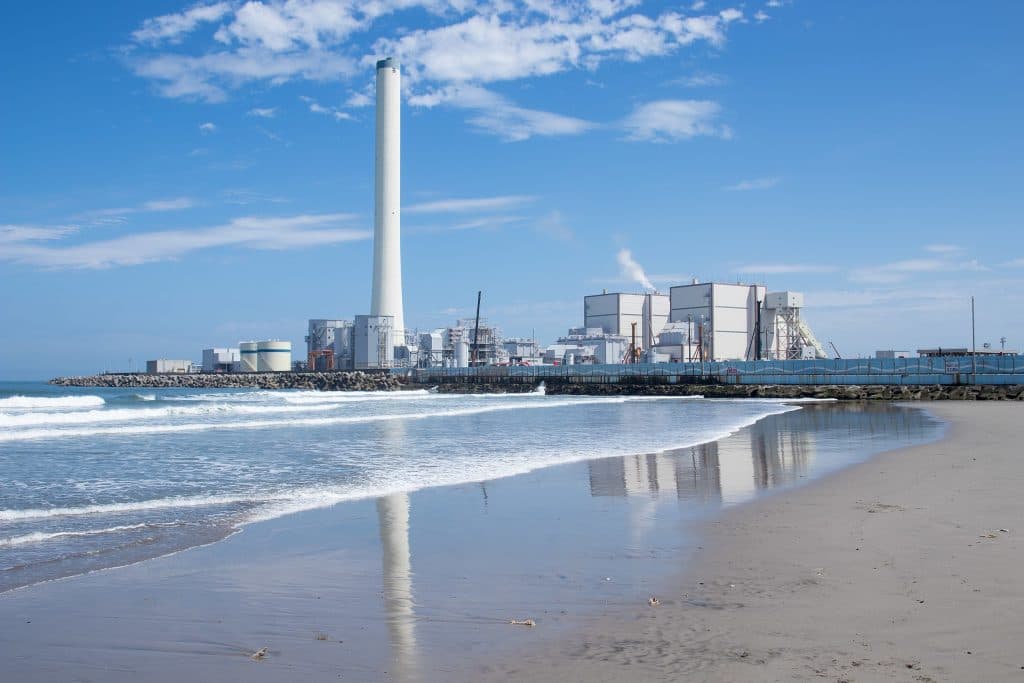
According to BNEF analysts, Japan's plans to deploy technologies that enable the use of ammonia to generate electricity are a decarbonization pathway that is unlikely to prove cost-effective. According to BNEF, it would be more advantageous for Japan to reduce CO2 emissions in the power generation sector by using wind and solar power combined with battery storage.
Development of both technologies is to be supported by a government fund with a budget of 18 billion dollars. Projects backed by this fund are expected to put Japan on course to meet its long-term CO2 emissions reduction targets over the next 10 years.
BNEF analysts estimate, however, that the levelized cost of electricity (LCOE) at a Japanese coal-fired power plant co-firing a 50% share of ammonia could reach USD 136 to 184/MWh in 2030. With a 100% share, it would be USD 224 to 322/MWh. According to BNEF, wind and solar power combined with battery storage therefore offer a cheaper alternative.
Translation disclaimer
This article is a machine translation of the Czech original and has not yet been fully reviewed. In case of any doubt, please refer to the Czech version.
The article continues for subscribers
Premium content
The rest of this article is available to premium subscribers only. Get access to all premium articles on oEnergetice.cz.
Best value: annual subscription
Monthly option 4 € / month
3.25 €/ month
You might also like
17 November 2026, 13:27