
25 October 2026, 08:20
Loading...
Poland complains to EU: Financial speculators drive up carbon allowance prices

Martin Voříšek
28 March 2021, 08:55
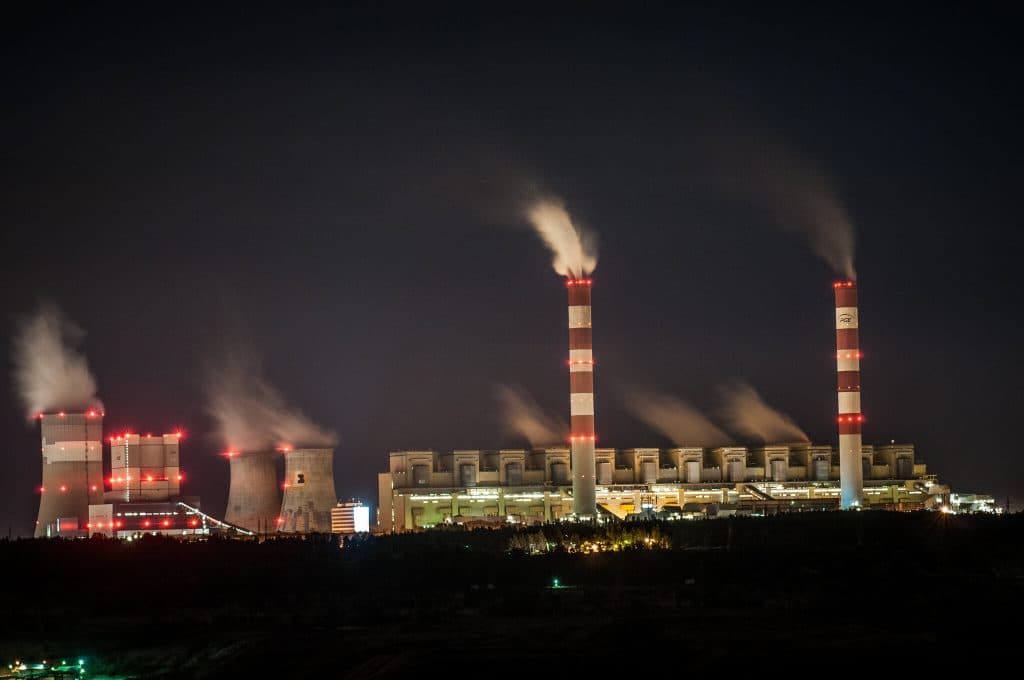
Poland is concerned about the influence of financial speculators active in the carbon allowance market. According to Michal Kurtyka, Poland’s climate policy minister, they are betting on higher future prices, buying allowances in bulk and thereby driving prices even higher. As a result, they are allegedly having a negative impact on investment planning.
Carbon allowances have remained relatively stable above EUR 40 in recent weeks, at times trading just below EUR 44. Allowance prices have risen steadily, particularly in recent months – since the beginning of November, the price of the nearest December contract has increased by around 70% and has practically skipped the EUR 30-40 price range.
According to some analysts, the price now genuinely reflects current European Union policy, which aims to significantly reduce CO2 emissions in the coming years. Some analysts go so far as to forecast a price of EUR 110 per allowance by the end of this year.
Check out my latest article: Carbon to €110: the how and when https://t.co/Gbg16IWwBC via @LinkedIn#octt#euets@RaoulGMI
— Lawson Steele (@LawsonSteele3) March 11, 2021
However, the current situation is causing concern among a number of other market participants. These include Poland in particular, which in recent weeks has asked the European Commission to investigate current developments in the allowance market.
According to a letter from Polish Climate Policy Minister Michal Kurtyka in mid-March, the current allowance price is partly the work of financial speculators. In his view, this could ultimately have a negative impact on achieving the climate targets set by the European Union. Poland therefore asked the European Commission to examine the entire market situation.
„Poland respects the participation of financial entities in the carbon allowance market and their role in achieving the necessary liquidity, but the negative effects of trading allowances as long-term investments should be investigated. The high volatility of allowance prices and the resulting need to constantly update price forecasts negatively affect investment planning,“ Michal Kurtyka said in the aforementioned letter dated 18 March.
The recent price increase has allegedly raised concerns among Polish energy companies about the negative effects of potential financial speculation. According to a recent statement by Beatriz Yordi of the European Commission, however, liquidity in the European carbon allowance market is at a healthy level.
Poland has long expressed its opposition to European Union climate policy. This is mainly because Poland is the European country most dependent on electricity generation from hard coal and lignite. Any transition to clean energy will therefore be very difficult for Poland.
Translation disclaimer
This article is a machine translation of the Czech original and has not yet been fully reviewed. In case of any doubt, please refer to the Czech version.
Sdílejte článek prostřednictvím:
You might also like


23 October 2026, 14:38